In the vibrant world of sports and fitness, recovery plays a crucial role in ensuring that athletes, whether budding or seasoned, maintain peak performance. For Nigerian athletes, this often means balancing traditional methods with modern techniques. Muscle recovery isn't just about resting; it's about optimizing your body's natural processes to enhance growth and reduce the risk of injury. But what are the best practices for muscle recovery, and how can they be tailored for the Nigerian context?
Whether you're sprinting on the tracks in Abuja or playing a football match in Lagos, understanding muscle recovery can be your secret weapon to staying ahead of the game. This article digs deep into effective muscle recovery techniques, providing practical tips and insights that resonate with the Nigerian fitness culture.
The Importance of Muscle Recovery
Why Recovery Matters
Muscle recovery is not just a buzzword among athletes; it's a crucial part of any training regimen. When muscles are subjected to intense workouts, tiny tears occur in the muscle fibers. Recovery allows these fibers to repair and grow stronger. Without proper recovery, the risk of injury increases significantly, and performance can plateau or even decline.
"Recovery is where the magic happens. It's where strength is built and resilience is forged." - Dr. Ibrahim Adewale, Sports Medicine Specialist
Understanding Muscle Fatigue
Muscle fatigue is a natural response to exertion, signaling that the body needs time to repair. Recognizing signs of fatigue, such as persistent soreness and reduced performance, is essential for implementing an effective recovery strategy.
Top Muscle Recovery Strategies
Active Recovery
Active recovery involves low-intensity activities that promote blood circulation and help in the removal of metabolic waste products. This can include:
- Light jogging around the park
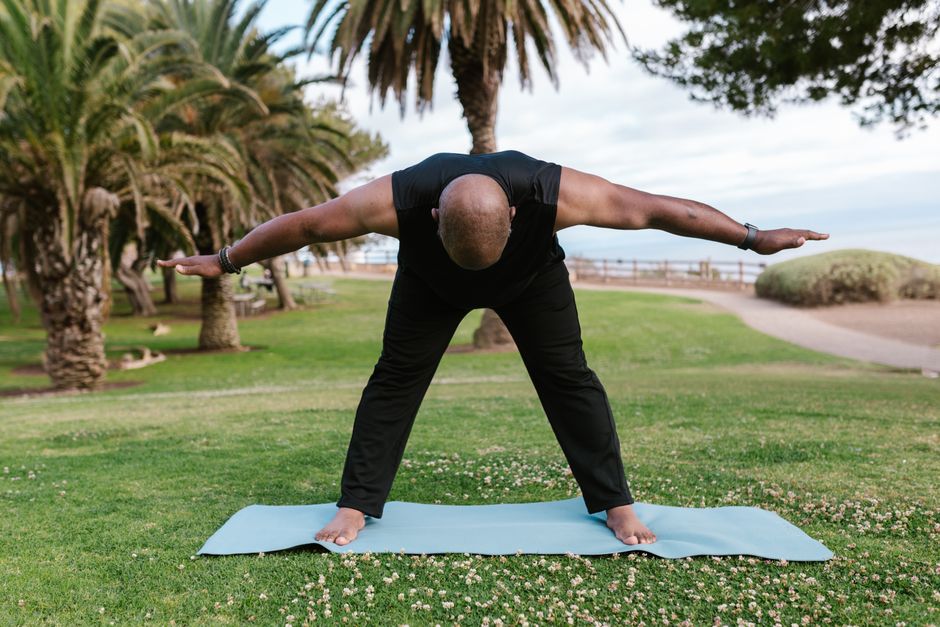
- Yoga sessions focusing on breathing and flexibility
- Swimming in a local pool
Nutrition and Hydration
Nourishing the body post-exercise is vital for muscle repair. Nigerian diets rich in protein sources like beans, meat, and fish can aid recovery. Additionally, staying hydrated helps transport nutrients to muscles and supports overall recovery.
Sleep: The Ultimate Recovery Tool
Quality sleep is indispensable to muscle recovery. Aiming for 7-9 hours of sleep can improve hormone balance and aid in the muscle repair process.
Traditional Nigerian Recovery Practices
Herbal Remedies
Many Nigerian athletes incorporate herbal remedies into their recovery routines. Herbs such as ginger and turmeric are known for their anti-inflammatory properties and can be consumed as teas or added to meals.
Massage and Physical Therapy
Massage therapy, often delivered by skilled local practitioners, can ease muscle tension and promote blood flow, speeding up recovery significantly.
Incorporating Modern Techniques
Cryotherapy and Heat Therapy
Alternating between cold and hot treatments can reduce muscle soreness and inflammation. While cryotherapy sessions might be less accessible, ice baths or cold showers can be a great alternative.
Foam Rolling and Stretching
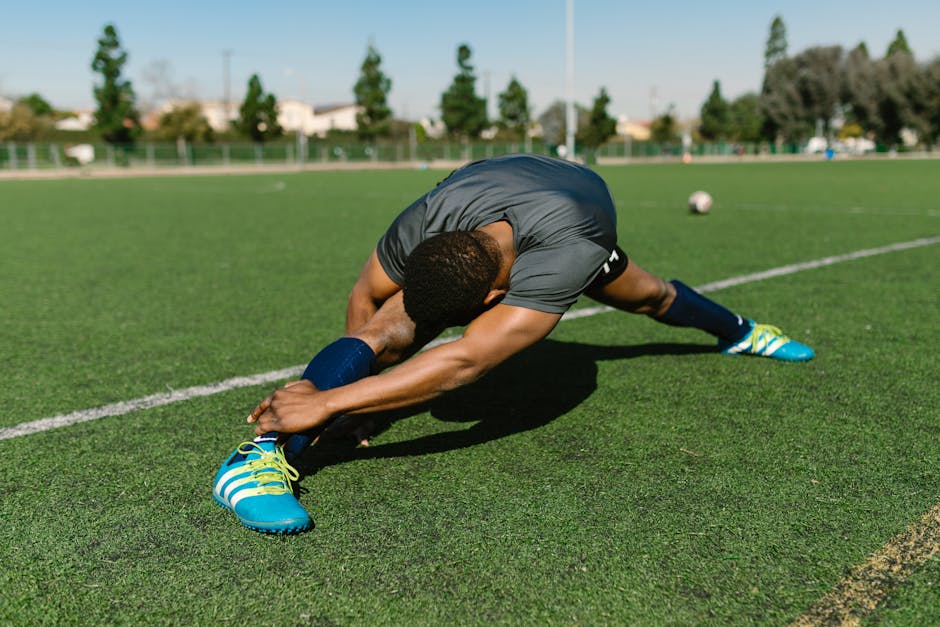
Foam rolling helps release muscle tightness and improve flexibility. It's a simple method to incorporate into post-workout routines, along with dynamic stretching to enhance muscle elasticity.
Conclusion
Muscle recovery is a multifaceted process that blends traditional wisdom with contemporary science. For Nigerian athletes, the fusion of local practices with globally recognized techniques can lead to remarkable improvements in performance and reduction in injury risk. Embrace these strategies, and your muscles will thank you, keeping you at your best, day in and day out.