Have you ever felt that muscle soreness after an intense workout, a long day of manual labor, or perhaps after participating in a spirited game of football? You're not alone. The quest for effective muscle recovery is universal, yet the approach can be uniquely personal. For Nigerian readers, understanding the dynamics of muscle recovery tailored to your lifestyle is essential. Whether you're an athlete, a fitness enthusiast, or someone just striving for a healthier lifestyle, mastering muscle recovery can make a world of difference in how you feel and perform.
Muscle recovery is more than just about resting after a workout. It's a comprehensive approach that includes nutrition, hydration, physical therapy, and even mental relaxation. Embracing these elements can help accelerate the recovery process, reduce the risk of injury, and improve overall performance.
In this article, we'll explore the intricacies of muscle recovery with practical tips and insights designed specifically for the Nigerian lifestyle. From traditional Nigerian foods that support muscle repair to effective stretching techniques, let's dive into creating a balanced recovery plan that keeps you at your best.
Understanding Muscle Recovery
The Science Behind Muscle Recovery
Muscle recovery is the physiological process where muscle fibers repair and rebuild themselves after being stressed during physical activities. This process is crucial for muscle growth and improvement in strength and endurance.
When you exercise, tiny tears occur in your muscle fibers. The recovery process not only heals these tears but also makes your muscles stronger to withstand future stresses. The key factors influencing muscle recovery include rest, nutrition, hydration, and active recovery techniques.
Importance of Rest and Sleep
Rest is an often overlooked but critical component of muscle recovery. Adequate sleep provides the body with the time it needs to repair and regenerate.
- Ensure you get 7-9 hours of quality sleep each night.
- Create a calming bedtime routine to signal your body it's time to rest.
- Keep your sleep environment cool, dark, and comfortable.
Nutrition for Muscle Recovery
Role of Protein in Recovery
Protein is a vital nutrient for muscle repair. It helps rebuild muscle fibers and supports muscle growth. In Nigeria, we have an abundance of protein-rich foods to choose from.
- Include foods like beans, eggs, and fish in your diet.
- Nigerian dishes such as Egusi soup with chicken provide a great source of protein.
- Consider protein shakes or supplements if you're not meeting your daily protein needs through food alone.
“Protein is the building block of muscles. Ensure you include it in every meal for optimal recovery.”
Hydration and Its Impact
Hydration is crucial for muscle recovery, as it helps transport nutrients to cells and removes toxins from the body.
- Drink plenty of water throughout the day, especially after workouts.
- Incorporate hydrating foods such as watermelon and cucumbers into your diet.
- Be mindful of your body's signals; drink when you're thirsty.
Active Recovery Techniques
Incorporating Stretching and Yoga
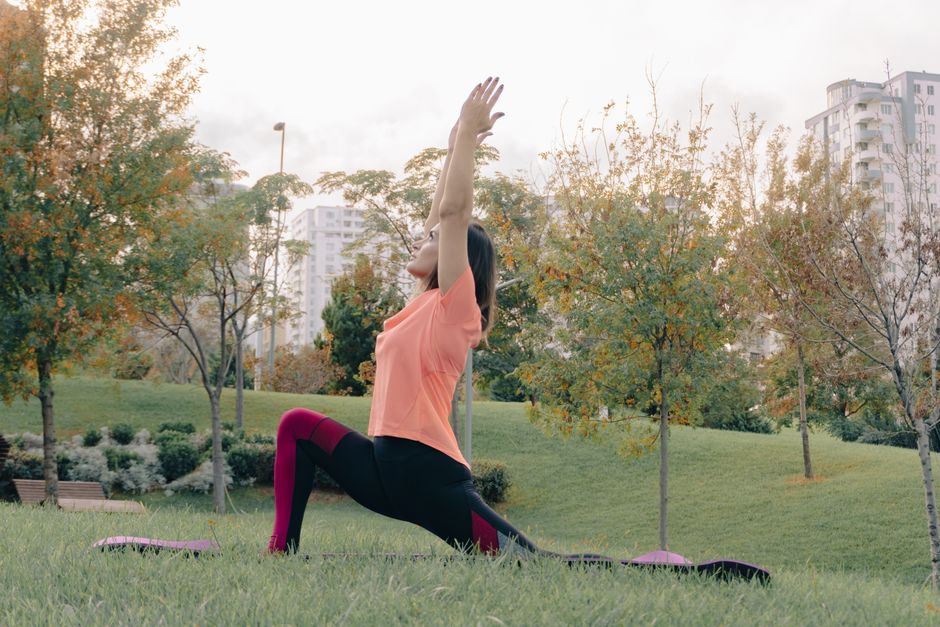
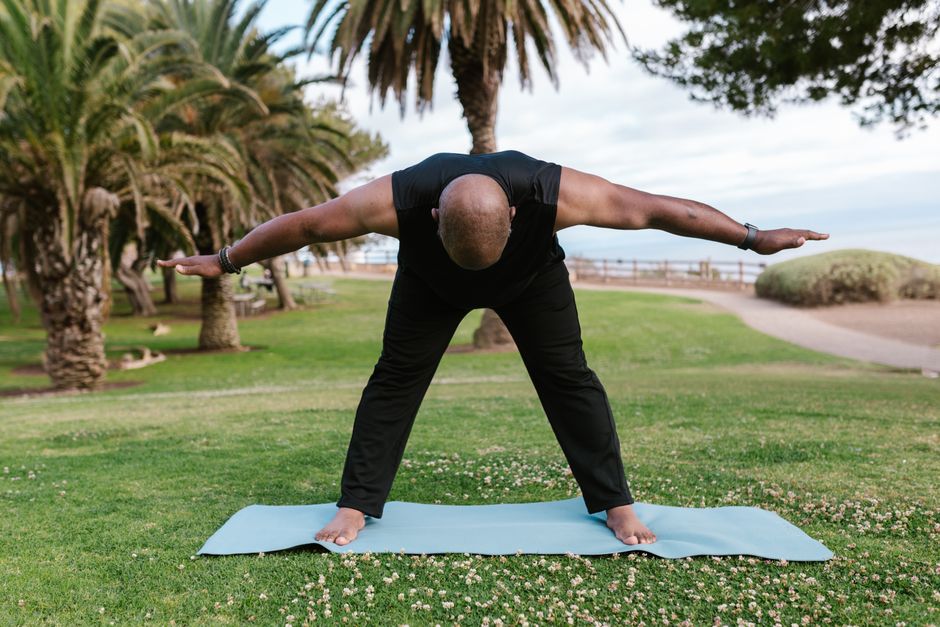
Stretching and yoga are excellent ways to enhance muscle recovery by improving flexibility and blood flow.
- Engage in gentle stretching after workouts to cool down your muscles.
- Try yoga poses that focus on stretching major muscle groups like the hamstrings and back.
- Consider joining a yoga class to stay motivated and learn proper techniques.
“Incorporate stretching into your daily routine to maintain flexibility and prevent injuries.”
Massage and Physical Therapy
Massage and physical therapy can significantly enhance recovery by reducing muscle tension and improving circulation.
- Consider scheduling regular massages, especially after intense workouts.
- Utilize foam rollers to self-massage and release muscle knots.
- Visit a physiotherapist for personalized rehabilitation programs if needed.
Traditional Nigerian Remedies for Muscle Recovery
Herbal Solutions
Nigerian culture is rich with herbal remedies that can aid in muscle recovery. These traditional solutions have been passed down through generations and remain effective today.
- Use shea butter to massage sore muscles for relief and improved blood circulation.
- Drink herbal teas like ginger and turmeric to reduce inflammation.
- Explore local herbs such as bitter leaf and moringa for their healing properties.
Dietary Practices
Traditional Nigerian diets are naturally supportive of muscle recovery due to their rich nutritional content.
- Eat a balanced diet that includes traditional stews, soups, and plenty of vegetables.
- Prepare meals with hot peppers, which have been shown to reduce muscle pain.
- Balance your meals with healthy carbohydrates like plantains and yams.
Conclusion
Muscle recovery is an integral part of a healthy lifestyle, particularly for those engaging in regular physical activity. By understanding the science behind muscle recovery and incorporating effective strategies such as proper nutrition, hydration, rest, and traditional Nigerian remedies, you can enhance your recovery process and achieve your fitness goals. Remember, taking the time to rest, refuel, and recharge isn't just about muscle recovery—it's a holistic approach to better health and well-being. So next time you feel those muscles ache, embrace these recovery methods and give your body the care it deserves.