In the vibrant world of athletics, recovery is as essential as the practice itself. Whether you're a professional athlete or a fitness enthusiast in Nigeria, understanding effective recovery techniques can significantly enhance your performance and overall wellness. Recovery isn't just about resting; it's a strategic process that empowers your body to repair, rebuild, and prepare for the next physical challenge.
Imagine the bustling streets of Lagos or the serene landscapes of Calabar—each unique, yet both filled with individuals striving for fitness excellence. Just like the diverse terrains, recovery methods can vary, offering numerous ways to rejuvenate the body after intense physical exertion. In this guide, we delve into practical recovery techniques tailored for Nigerian athletes, ensuring you can optimize your fitness journey and achieve peak performance.
The Importance of Recovery in Fitness
Before diving into specific techniques, it's crucial to understand why recovery is vital. Recovery serves as the foundation for improved performance and injury prevention. It allows your muscles to repair tissues, replenishes energy stores, and supports mental well-being.
Physical Benefits
Recovery facilitates muscle repair and growth, making it possible to increase strength and endurance over time. By allowing your muscles to recover properly, you'll notice improvements in both performance and physical health.
- Muscle Repair: Microtears occur during exercise, and recovery helps repair these to build stronger muscles.
- Energy Restoration: Recovery replenishes glycogen stores, ensuring you have enough energy for the next workout.
Mental Benefits
Recovery isn't just about the body. It plays a significant role in maintaining mental health, reducing stress, and improving focus.
"Recovery is as much a psychological process as it is physical. Prioritizing rest can significantly reduce stress and improve mental clarity."
By integrating recovery into your routine, you also give yourself time to reflect and strategize, which can enhance motivation and keep you mentally agile.
Top Recovery Techniques for Nigerian Athletes
Now that we understand the importance of recovery, let's explore some effective methods that Nigerian athletes can easily incorporate into their routines.
Hydration and Nutrition
Proper hydration and nutrition are the cornerstones of recovery. Consuming the right nutrients post-exercise accelerates the recovery process.
- Stay Hydrated: Ensure you drink plenty of water to replace fluids lost during workouts. Coconut water, rich in electrolytes, is an excellent choice.
- Balanced Diet: Consume a mix of proteins and carbohydrates. Nigerian dishes like moi moi and jollof rice can provide a balanced intake of nutrients.
Rest and Sleep
Often underestimated, adequate sleep is crucial for recovery. It allows the body to enter a state of repair and growth.
- Prioritize Sleep: Aim for 7-9 hours of quality sleep per night to support recovery processes.
- Power Naps: Short naps during the day can boost recovery and improve alertness.
Active Recovery
Engaging in low-intensity activities can promote recovery by increasing blood flow without causing additional fatigue.
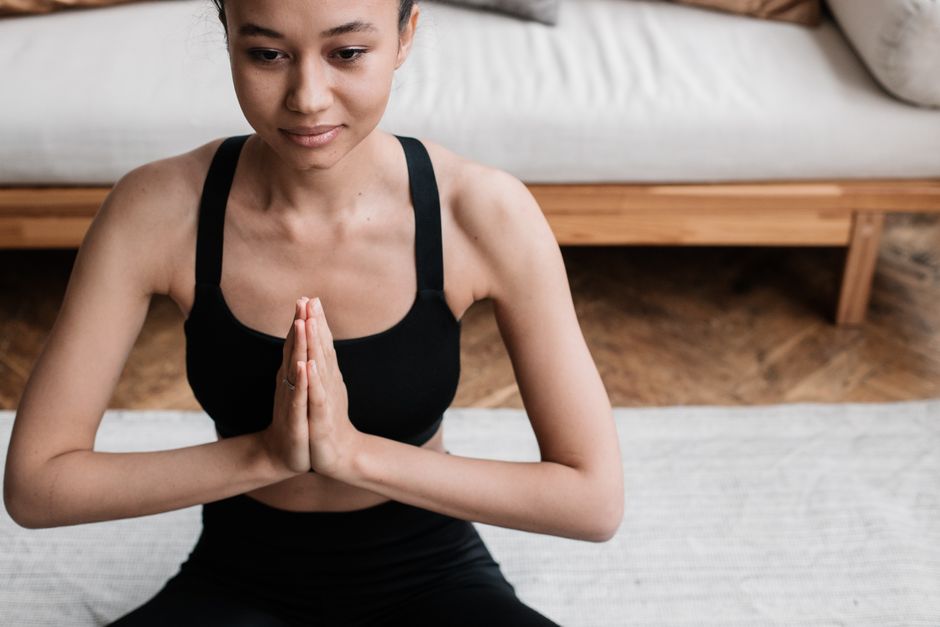
- Low-Intensity Exercises: Consider activities like yoga or leisurely cycling around your neighborhood.
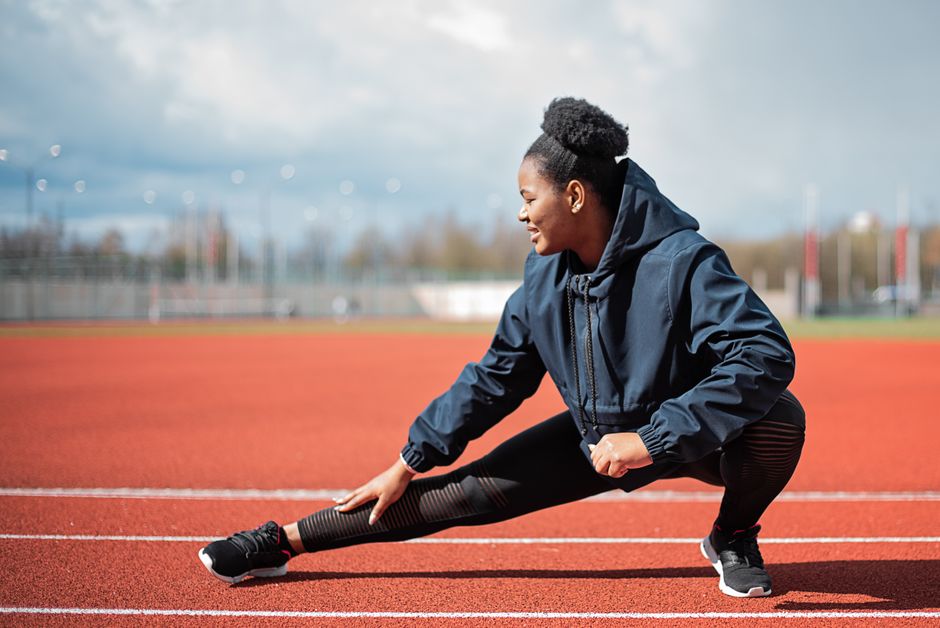
- Stretching: Incorporate stretching routines post-workout to reduce muscle soreness and enhance flexibility.
Utilizing Traditional Nigerian Methods
Embracing cultural heritage can also play a part in recovery. Traditional Nigerian methods offer unique ways to rejuvenate the body and mind.
Herbal Remedies
Many Nigerian communities have long used herbal remedies for recovery. Herbs like moringa and ginger possess anti-inflammatory properties that can aid in recovery.
"Incorporating traditional herbal remedies can enhance the recovery process. They offer natural healing properties that complement modern techniques."
Massage Therapy
Massage is popular across Nigeria, and for good reason. It helps relieve muscle tension, reduce pain, and improve circulation.
- Local Massages: Visit a local massage therapist for a rejuvenating experience that targets sore muscles.
- Self-Massage: Use techniques like foam rolling at home to enhance muscle recovery.
Monitoring and Adjusting Your Recovery Plan
Every athlete's body responds differently to recovery methods. Monitoring your progress and making necessary adjustments ensures you maximize the benefits.
Listen to Your Body
Your body provides signals that indicate how well you're recovering. Pay attention to these cues to adjust your recovery strategies accordingly.
- Track Progress: Use fitness apps or journals to record how you feel post-workout.
- Be Flexible: If a particular method doesn't work for you, don't hesitate to try something new.
Consult Professionals
Seeking guidance from fitness or health professionals can provide personalized recovery strategies tailored to your specific needs.
"Professional advice can offer insights that you might not be aware of, helping you to refine your recovery techniques effectively."
Conclusion
Recovery is a multifaceted process that requires attention, dedication, and the right techniques. For Nigerian athletes, integrating a mix of conventional and traditional methods can offer a holistic approach to recovery, ensuring both physical and mental wellness. By prioritizing recovery, you'll not only enhance your athletic performance but also embrace a healthier, more balanced lifestyle.