Amina, a 34-year-old marketing executive from Lagos, Nigeria, was no stranger to late nights. Her job demanded long hours and frequent travel, leaving her battling chronic insomnia. For years, she accepted sleepless nights as an unchangeable part of her life. However, the mounting stress and fatigue began taking a toll on her physical and mental health. That was when she decided to take control and made significant changes to her lifestyle, focusing particularly on her evening routine.
Insomnia is a common issue, affecting millions of people worldwide, including many Nigerians who juggle multiple responsibilities. Amina’s story is not unique, yet her journey to recovery offers invaluable insights for anyone struggling with sleeplessness.
Recognizing the Problem
Amina initially dismissed her insomnia, attributing it to her busy schedule. It was only when she noticed a decrease in her work performance and her mood deteriorating that she realized the severity of the issue. Her first step was to acknowledge that her sleeplessness was a problem that needed addressing.
Warning Signs
Some specific signs she noticed included:
- Difficulty falling asleep even when tired.
- Waking up multiple times during the night.
- Feeling irritable and fatigued during the day.
- Struggling to concentrate on tasks.
"Realizing that insomnia was affecting my life was the turning point. I knew I had to make changes," Amina shared.
Building a Healthy Sleep Routine
The first major change Amina implemented was her bedtime routine. She recognized that her evenings were chaotic, often spent working late or scrolling through her phone in bed. Amina decided to establish a routine that would help her wind down and signal her body it was time to sleep.
Key Changes
She made several specific adjustments:
- Setting a consistent bedtime, aiming to sleep by 10 PM every night.
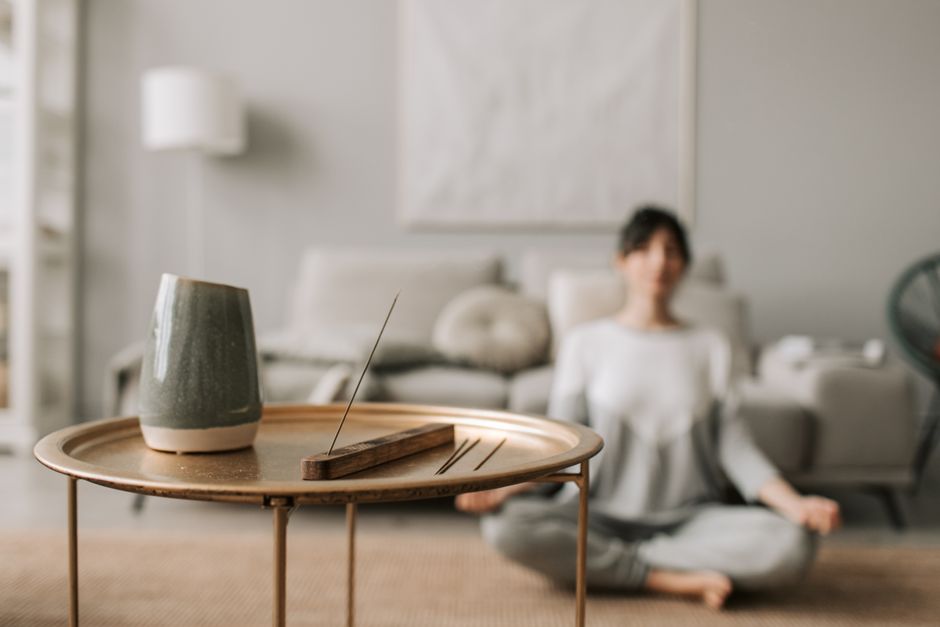
- Creating a relaxation ritual, including reading a book or meditating for 20 minutes before bed.
- Turning off electronic devices an hour before bedtime to reduce blue light exposure.
- Ensuring her bedroom environment was conducive to sleep, such as maintaining a cool temperature and using blackout curtains.
These changes helped her body develop a new pattern, making it easier to fall asleep at the same time each night.
Incorporating Exercise and Diet
Amina also examined her daytime activities, realizing that her lack of physical activity and poor diet might be contributing to her insomnia. She began incorporating regular exercise into her daily routine and made some dietary adjustments.
Exercise Routine
Amina started with light exercises, such as:
- Morning jogs for 20 minutes, three times a week.
- Yoga classes on weekends to help reduce stress.
As her fitness improved, she increased the intensity and duration of her workouts, which not only improved her sleep but also boosted her mood and energy levels.
Nutritional Adjustments
She also made dietary changes, such as:
- Cutting back on caffeine, especially after midday.
- Eating a balanced diet rich in fruits, vegetables, and lean proteins.
- Drinking herbal teas like chamomile in the evening to aid relaxation.
"Switching to healthier foods and staying active made a huge difference. I felt more energized during the day and slept better at night," Amina noted.
Seeking Professional Help
Despite her efforts, Amina found that there were still nights when sleep eluded her. Acknowledging the need for professional guidance, she consulted a sleep specialist. The specialist provided additional strategies and monitored her progress.
Expert Recommendations
The sleep specialist suggested:
- Keeping a sleep diary to track sleep patterns and identify triggers.
- Practicing cognitive behavioral therapy for insomnia (CBT-I).
- Limiting naps during the day to maintain a regular sleep schedule.
With these new tools, Amina was able to further refine her approach and address the remaining challenges in her sleep routine.
Maintaining Progress
Today, Amina enjoys restful nights and productive days. Her journey to overcoming insomnia was not a quick fix, but rather a series of thoughtful changes that, over time, led to significant improvements.
Lessons Learned
Reflecting on her experience, Amina shares some key takeaways:
- The importance of persistence and being patient with oneself.
- The value of a structured bedtime routine in promoting better sleep.
- The necessity of prioritizing health and seeking help when needed.
Her story serves as a reminder that while insomnia is challenging, it is possible to conquer it with dedication and the right strategies.
Conclusion
Amina's journey with insomnia teaches us that recovery from sleep disorders often requires a holistic approach. By focusing on routine, exercise, diet, and professional support, Amina managed to reclaim her nights and improve her overall quality of life. For anyone struggling with similar issues, her story is a beacon of hope and a guide to taking proactive steps toward better sleep.