The Harmattan season is not just another weather change for Nigerians; it is an annual experience that impacts health and wellness in various ways. As the dry and dusty winds sweep across the nation, many find themselves battling skin dryness, respiratory issues, and general discomfort. Understanding how the Harmattan affects your body and preparing for it can make a significant difference in how you cope with these seasonal challenges.
This time of year, when temperatures fluctuate dramatically between day and night, and humidity levels drop, demands specific adjustments in lifestyle and wellness routines. The dust-laden wind can be harsh on the skin and respiratory system, especially for those with pre-existing conditions like asthma. But with the right strategies, you can navigate this period smoothly.
From adjusting your skincare regimen to modifying your diet, these practical tips will help you maintain your health and well-being throughout the Harmattan.
Understanding Harmattan and Its Effects
The Climate Shift
Harmattan occurs from late November to mid-March, characterized by dusty and dry winds originating from the Sahara Desert. This weather phenomenon is notorious for causing visibility issues and discomfort due to its extremely low humidity levels.
Health Implications
Common health issues during Harmattan include dry skin, cracked lips, and exacerbated respiratory problems. It's essential to recognize these symptoms early and implement preventive measures.
"Harmattan can exacerbate respiratory conditions, so those with asthma should be particularly vigilant," advises Dr. Chukwuma Nnaji, a Lagos-based pulmonologist.
Skincare Routine Adjustments
Hydration is Key
During Harmattan, skin hydration should be top priority. Opt for thick moisturizers that create a barrier against the harsh winds. Shea butter and coconut oil are excellent natural alternatives readily available in Nigerian markets.
- Apply moisturizer immediately after bathing to seal in moisture.
- Use lip balms with beeswax or shea butter to prevent chapping.
Gentle Cleansing
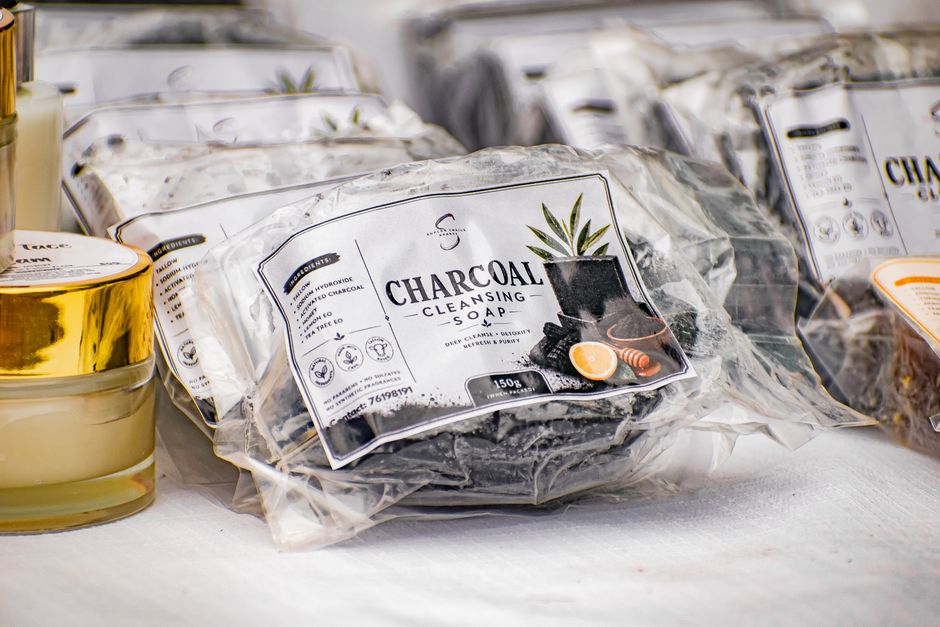
Switch to mild, soap-free cleansers that do not strip your skin of its natural oils. Avoid products with high alcohol content as they can exacerbate dryness.
Dietary Adjustments for Optimal Health
Boosting Immunity
Consume foods rich in vitamins C and E to strengthen your immune system against colds and flu common during Harmattan. Citrus fruits, nuts, and leafy greens are vital additions to your diet.
Staying Hydrated
With the dry air, staying hydrated is crucial. Aim for at least 2 liters of water per day. Herbal teas can also be a soothing alternative that provides hydration and additional nutrients.
Protecting Your Respiratory Health
Indoor Air Quality
Use humidifiers in your home to maintain adequate moisture levels. This can help reduce respiratory irritation caused by dry air and dust particles.
Outdoor Activity Precautions
If you must venture outside, especially during dusty periods, wearing a face mask can help protect your lungs from dust inhalation.
- Limit outdoor activities during peak dust hours.
- Always have a scarf or face mask handy to cover your nose and mouth.
Clothing and Lifestyle Tips
Dress Appropriately
Layer your clothing to accommodate temperature fluctuations. Light layers can be removed or added as needed throughout the day.
Regular Exercise
Keep up with regular exercise routines, but consider indoor workouts to avoid exposure to dust. Exercise can boost your mood and help keep your immune system strong.
Conclusion
Harmattan need not be a dreaded season if you take proactive steps to protect your health. By adjusting your skincare, diet, and lifestyle, you can enjoy a comfortable and healthy Harmattan. These simple yet effective strategies can help mitigate the seasonal challenges and ensure you stay in top shape until the rains return.