Have you ever felt the strain of muscle soreness after a vigorous workout or a long day's work? You're not alone. Muscle recovery is a crucial yet often overlooked component of maintaining a healthy lifestyle, especially in the bustling routines of Nigeria. Recognizing the importance of recovery can make all the difference in achieving your health goals and ensuring your body stays in top form.
In Nigeria, where the hustle and bustle of daily activities can be overwhelming, understanding effective muscle recovery strategies can enhance both performance and overall well-being. Whether you're an athlete pushing your limits or someone navigating a hectic work schedule, incorporating practical recovery methods into your routine is essential. Let's delve into some effective techniques that can transform your approach to muscle care.
Understanding Muscle Recovery
What is Muscle Recovery?
Muscle recovery is the process your body undergoes to repair and strengthen muscle tissue after physical activity. When you exercise, especially in routines that involve weight lifting or high-intensity training, your muscle fibers undergo stress and tiny tears. Recovery is vital for healing these tears and building stronger muscles.
"Recovery is where the magic happens in fitness. It's where muscles grow and improve; without it, you risk injury and stagnation." - Dr. Afolabi Adewole, Sports Medicine Expert
Why is Muscle Recovery Important?
Muscle recovery is not just about reducing soreness, but also about enhancing performance and preventing injury. Proper recovery ensures that your muscles can adapt to increased demands and build strength over time. Ignoring this process can lead to accumulated fatigue, reduced performance, and a higher risk of injuries.
Effective Muscle Recovery Techniques
Active Recovery
Active recovery involves engaging in low-intensity exercises after a strenuous workout. This could include walking, yoga, or gentle stretching. These activities help to increase blood flow to the muscles, aiding in the removal of metabolic waste products and delivering nutrients necessary for repair.
- Walking: A leisurely walk in your neighborhood or a local park can do wonders.
- Swimming: If you have access to a pool, swimming is a low-impact exercise that supports recovery.
- Stretching: Incorporating a post-workout stretching routine can enhance flexibility and alleviate muscle tension.
Nutrition and Hydration
Proper nutrition and hydration play a pivotal role in muscle recovery. Proteins are the building blocks of muscle repair, while carbohydrates replenish glycogen stores. Staying hydrated ensures that nutrients are efficiently transported throughout your body.
"Think of food as fuel; what you consume post-workout is as crucial as the workout itself." - Chiamaka Eze, Nutritionist
- Protein-rich foods: Include beans, lean chicken, and eggs in your meals.
- Carbohydrates: Incorporate whole grains and sweet potatoes.
- Hydration: Drink plenty of water and consider electrolytes if you've had an intense session.
Rest and Sleep
The Role of Sleep in Recovery
Never underestimate the power of a good night's sleep. During sleep, your body releases growth hormones that are essential for muscle repair. Ensuring you get quality sleep can significantly boost recovery and performance.
Incorporating a regular sleep schedule and creating a restful environment can enhance the quality of your sleep. Consider reducing screen time before bed and keeping your bedroom cool and quiet.
Naps and Relaxation
Short naps during the day can also aid in recovery by reducing fatigue and improving cognitive function. Make a habit of short, restorative naps if your schedule permits.
- Napping: A 20-30 minute nap can recharge your energy levels.
- Relaxation techniques: Practices like meditation and deep breathing can reduce stress, aiding in recovery.
Incorporating Stretching and Yoga
The Benefits of Stretching
Stretching improves flexibility, reduces muscle tension, and enhances circulation. It prepares your muscles for activity and aids in recovery afterward.
Incorporate dynamic stretches before workouts and static stretches afterward to maximize the benefits.
Yoga for Recovery
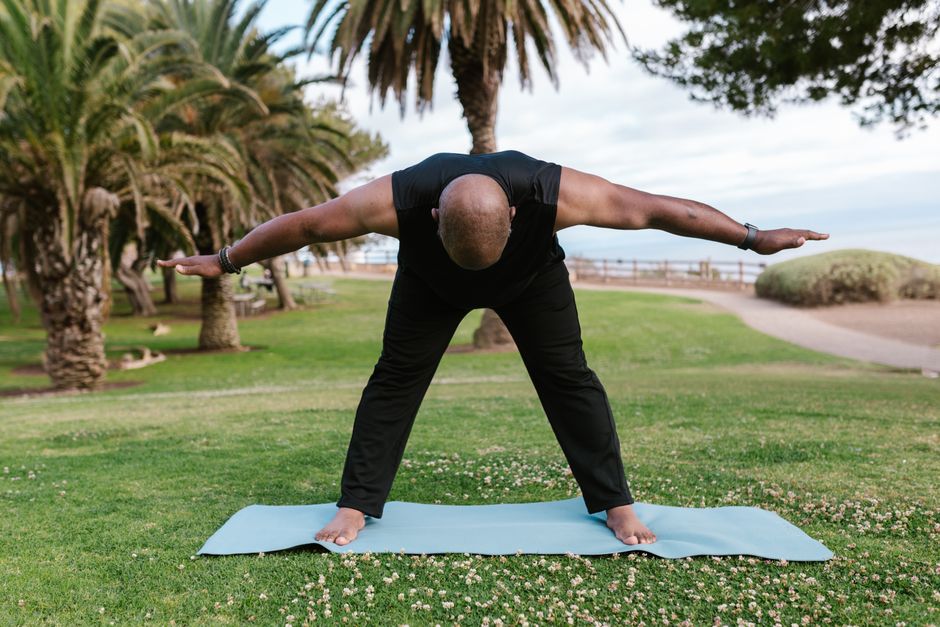
Yoga combines stretching, strength, and mindfulness, making it an excellent activity for muscle recovery. Regular practice can improve flexibility, balance, and mental clarity.
- Beginner-friendly poses: Try poses like Child's Pose, Downward Dog, and Warrior II.
- Yoga classes: Consider joining a local class or following online tutorials tailored for beginners.
Final Thoughts
Muscle recovery is a holistic process that requires attention and care. By incorporating these strategies into your routine, you can ensure that your body recovers effectively, paving the way for improved performance and overall health. Remember, recovery is not just about the absence of soreness but about optimizing your body's capacity to adapt and thrive. As you navigate your health journey, consider these approaches as integral components of your fitness regimen, and experience the transformative power of proper muscle recovery.