When it comes to fitness, we often hear about the importance of pushing our limits, setting ambitious goals, and staying consistent. However, one critical aspect that often gets overlooked is muscle recovery. Whether you're a gym enthusiast in Lagos or enjoy jogging in Abuja, understanding how to effectively recover your muscles can make a huge difference in your overall fitness journey. Proper muscle recovery doesn't just help you feel better after a workout; it enhances performance, prevents injuries, and ensures you can keep up with your fitness regimen over the long haul.
Muscle recovery is especially important when you consider the diverse climates and lifestyles across Nigeria. The bustling streets of Lagos might demand a different approach compared to the serene landscapes of Jos. Regardless of your location, integrating effective muscle recovery strategies can empower you to achieve your fitness goals without burning out.
In this guide, we will explore some proven methods tailored to fit the Nigerian lifestyle, ensuring you get the most out of your workouts while keeping injuries at bay.
Understanding Muscle Recovery
Why Muscle Recovery Matters
Muscle recovery is not just about resting; it involves a range of activities and habits that help your muscles repair and grow stronger. Without it, you risk injury and prolonged soreness, which could set back your progress.
"Recovery is where the magic happens. It's as important as the workout itself."
How Muscles Recover
After an intense workout, your muscle fibers experience tiny tears, which are a normal part of muscle growth. Recovery allows these fibers to heal and grow back stronger, a process fueled by proper nutrition and care.
Key Muscle Recovery Strategies
1. Nutrition and Hydration
- Protein Intake: Consuming adequate protein is crucial for muscle repair. Incorporate Nigerian staples like beans, chicken, and fish into your diet.
- Stay Hydrated: Water is essential for transporting nutrients to your muscles. Aim to drink enough water, especially if you're working out in the hot Nigerian sun.
- Electrolytes: Consider natural sources of electrolytes, such as coconut water, to replenish your body's electrolytes lost through sweat.
2. Rest and Sleep
Sleep is when most muscle recovery occurs. Aiming for 7-9 hours of quality sleep per night can significantly impact your recovery process.
"Think of sleep as your body's natural repair workshop where all the major fixes happen."
3. Stretching and Foam Rolling
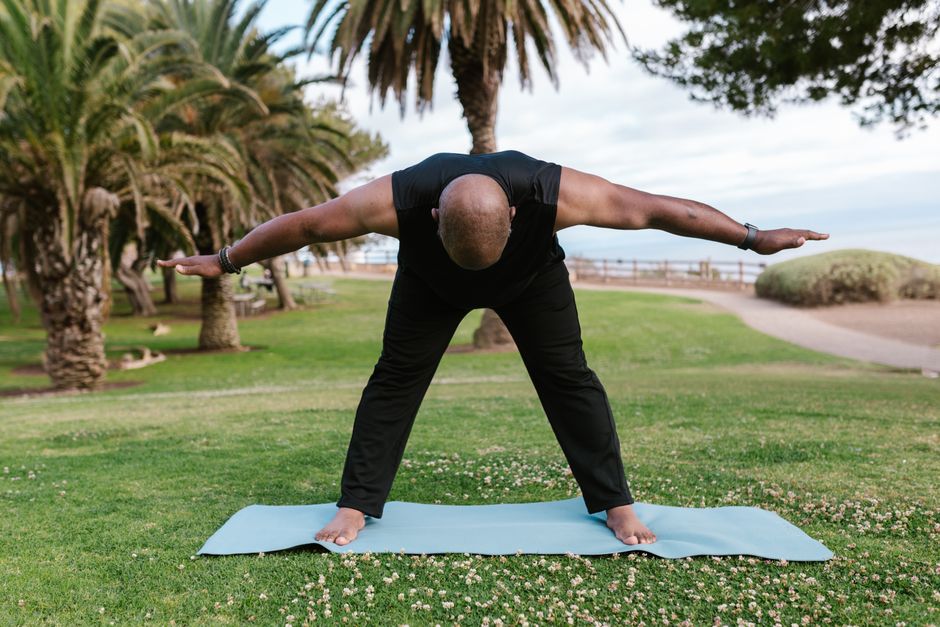
Incorporating stretching and foam rolling into your routine helps improve blood flow to your muscles, reducing soreness and aiding recovery. Try these simple routines:
- Dynamic Stretching: Ideal before workouts to prepare your muscles.
- Static Stretching: Perfect for post-workout to help muscles relax and lengthen.
- Foam Rolling: Focus on areas that feel tight. A foam roller can be found at most fitness stores in Nigeria.
Leveraging Nigerian Resources for Recovery
Traditional Remedies
Nigeria is home to various natural remedies that can aid muscle recovery. For instance, bitter leaf juice is known for its anti-inflammatory properties, which can be helpful post-exercise.
Local Fitness Communities
Engaging with local fitness groups can provide motivation and support. These communities often share valuable tips and can introduce you to new recovery techniques.
- Lagos Fit Community: A vibrant group hosting meet-ups and workshops focused on holistic fitness, including recovery strategies.
- Abuja Runners Club: Perfect for runners looking to share recovery tips and experiences.
Common Mistakes to Avoid
Overtraining
More exercise isn't always better. Without adequate recovery, overtraining can lead to injuries and stagnate your progress.
Ignoring Pain
Pain is your body's way of telling you something's wrong. Listen to it and adjust your routine if needed.
Conclusion
Muscle recovery is crucial for anyone serious about fitness. By integrating these strategies into your routine, you can ensure a healthier, more sustainable path to achieving your fitness goals. Remember, every step you take towards better recovery translates into fewer injuries and more gains. So next time you lace up your sneakers or hit the gym, make recovery a part of your plan.