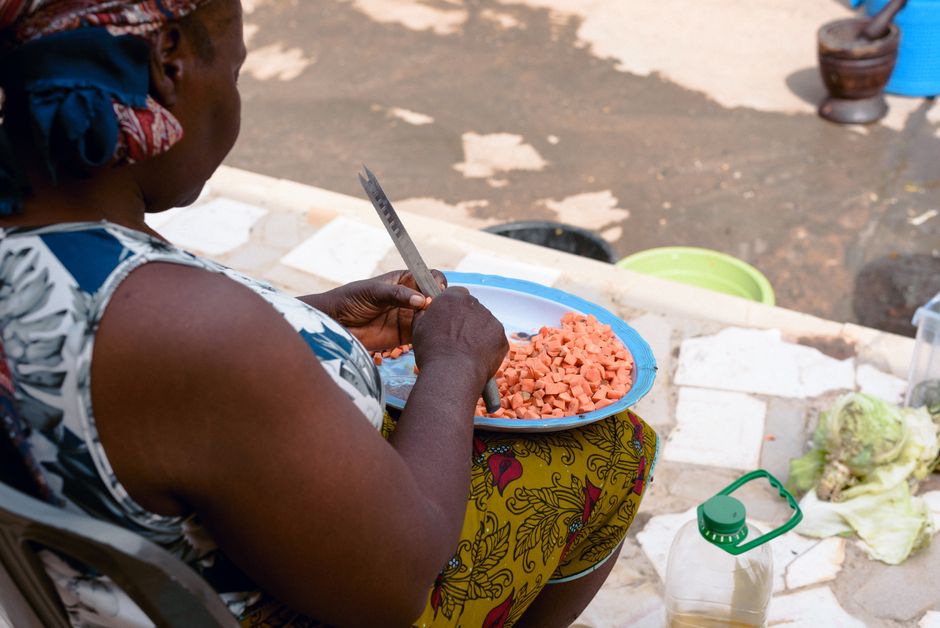
In the bustling streets of Lagos or the serene landscapes of Calabar, life in Nigeria is a beautiful blend of vibrant cultures and daily hustles. Whether you're navigating the traffic or climbing the hills, your body and mind constantly seek balance. Recovery, often overlooked, plays a crucial role in maintaining this balance. But what does recovery mean in a Nigerian context? It's more than just resting; it's a holistic approach to rejuvenating your body, mind, and soul.
In this article, we will dive into the art of recovery, exploring time-tested Nigerian techniques alongside contemporary scientific practices. By the end, you’ll have a toolkit full of strategies to enhance your well-being and keep you ready for life's adventures.
Understanding the Concept of Recovery
Recovery is not just a fancy term tossed around in wellness circles, it is a critical part of any health regimen. It involves allowing the body to heal and the mind to reset. For many Nigerians, recovery can be as simple as enjoying a day off with family or indulging in a home-cooked meal.
The Science Behind Recovery
Scientifically, recovery involves the processes by which your body repairs muscles, replenishes energy stores, and restores balance after physical exertion or stress. This includes sleep, nutrition, and active rest.
"Recovery is not a luxury; it is a necessity. It is as important as the activity itself." - Dr. Chima Eze, Health & Wellness Expert
Cultural Practices and Modern Recovery
Nigerians have long understood the importance of taking time to recharge. Traditional practices can play an essential role in modern recovery routines.
Traditional Nigerian Practices
- Oge Ntughari: Known as 'time to heal', this Igbo practice emphasizes rest and storytelling to unwind and recover.
- Herbal Remedies: Indigenous herbs like bitter leaf and moringa are used to detoxify and enhance physical recovery.
- Community Gathering: Social interactions often provide emotional recovery, reducing stress and enhancing well-being.
Modern Techniques for Enhanced Recovery
Incorporating modern methods can maximize recovery efforts. Here’s how you can combine tradition with innovation.
- Hydrotherapy: Use cold and warm water baths to alleviate muscle soreness.
- Mindfulness and Meditation: Practices like yoga and meditation can enhance mental recovery.
- Foam Rolling: This helps in myofascial release, reducing muscle tension.
The Role of Nutrition in Recovery
Nigerian cuisine, rich and diverse, can be a powerful tool for recovery. Emphasizing whole foods and balanced meals is key.
Post-Workout Nutrition
After physical activity, consuming a blend of proteins and carbohydrates is essential to repair muscles and replenish glycogen stores.
- Proteins: Egusi and groundnut soups offer excellent protein sources.
- Carbohydrates: Meals like jollof rice provide the necessary carbohydrates.
Hydration and Its Importance
Proper hydration is crucial for all recovery processes. Always aim to drink enough water, especially in hot climates.
Integrating Mental Health Into Recovery
Mental recovery is just as important as physical recovery. With the rising awareness of mental health, incorporating strategies to nurture the mind is vital.
Stress Management Techniques
Stress is a significant hindrance to recovery. Learning to manage stress is crucial.
- Deep Breathing Exercises: Simple yet effective, this technique can calm the mind.
- Journaling: Writing down thoughts can help in processing emotions and reducing stress.
The Power of Sleep
Quality sleep is a cornerstone of effective recovery. It is during sleep that your body undergoes significant repair and growth.
- Develop a Sleep Routine: Consistent sleep patterns help in better recovery.
- Avoid Screens Before Bed: Screen time can disrupt sleep quality.
Final Thoughts
Recovery is not a one-size-fits-all approach; it is personal and multifaceted. By blending traditional Nigerian practices with modern techniques, you can create an effective recovery plan tailored to your unique needs. Remember, taking time to recover is not a sign of weakness but a strength that fuels your body and mind to thrive. Always listen to what your body is telling you—it knows best.