Muscle recovery is an essential part of any fitness journey, ensuring that we perform at our best while minimizing the risk of injury. In Nigeria, where the hustle and bustle of daily life can take its toll, understanding how to effectively recover can make a significant difference in achieving our wellness goals. Whether you're training for a marathon, lifting weights, or simply aiming to stay fit, incorporating effective muscle recovery strategies can enhance your performance and improve your overall quality of life.
In this article, we'll delve into practical strategies for muscle recovery that are not only effective but also accessible. From the traditional practices influenced by our rich culture to scientifically-backed methods, we'll cover it all. Let's explore how you can optimize your muscle recovery and stay on top of your game.
The Importance of Muscle Recovery
Why Muscle Recovery Matters
Muscle recovery plays a crucial role in protecting your body from injuries and enhancing your physical performance. Without proper recovery, muscles remain in a state of fatigue, which can lead to injuries and prolonged periods of soreness. Adequate recovery allows your muscles to repair, grow, and adapt to the stresses placed upon them during exercise.
Signs Your Muscles Need Recovery
- Persistent muscle soreness that doesn't subside with time
- Decreased performance and increased fatigue
- Elevated resting heart rate
- Disturbed sleep patterns or insomnia
Effective Muscle Recovery Techniques
Hydration and Nutrition
Proper hydration is vital for muscle recovery. Water helps transport nutrients to cells and removes waste products created during exercise. In Nigeria, where the climate can be quite warm, ensuring adequate fluid intake is even more crucial.
Incorporate nutrient-rich foods like leafy greens, yams, and plantains, which are staples in Nigerian diets, to enhance recovery. Proteins from sources like beans and nuts support muscle repair.
Rest and Sleep
Rest is not just about taking a break; it's an active part of recovery. Schedule rest days into your fitness routine to allow muscles to recuperate. Sleep, on the other hand, is where your body performs significant repair work. Aim for 7-9 hours of quality sleep each night.
Creating a sleep environment conducive to rest can make a big difference. Use of blackout curtains or sleep masks can help block out light and improve sleep quality, especially if you live in bustling Nigerian cities.
Stretching and Foam Rolling
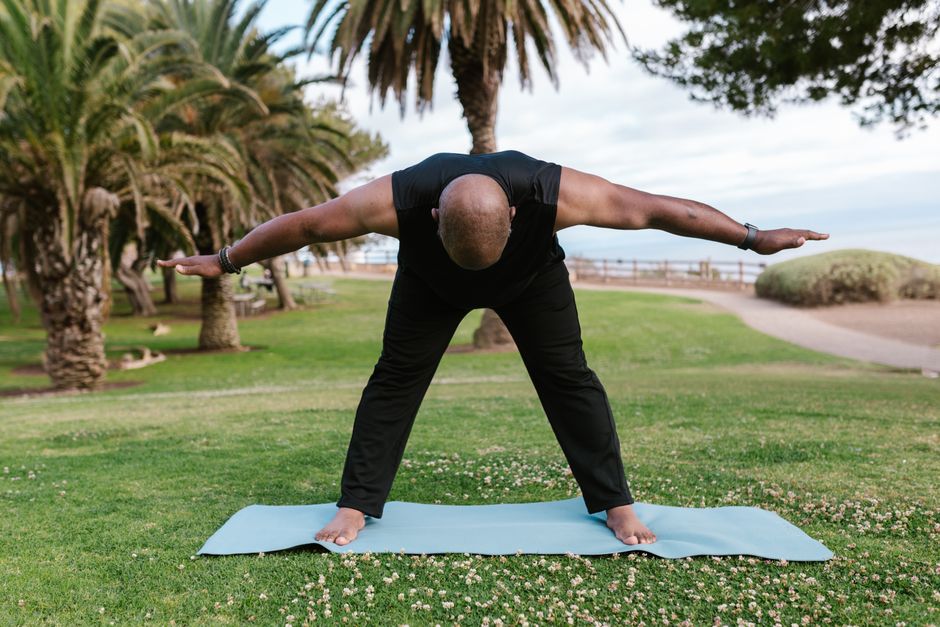
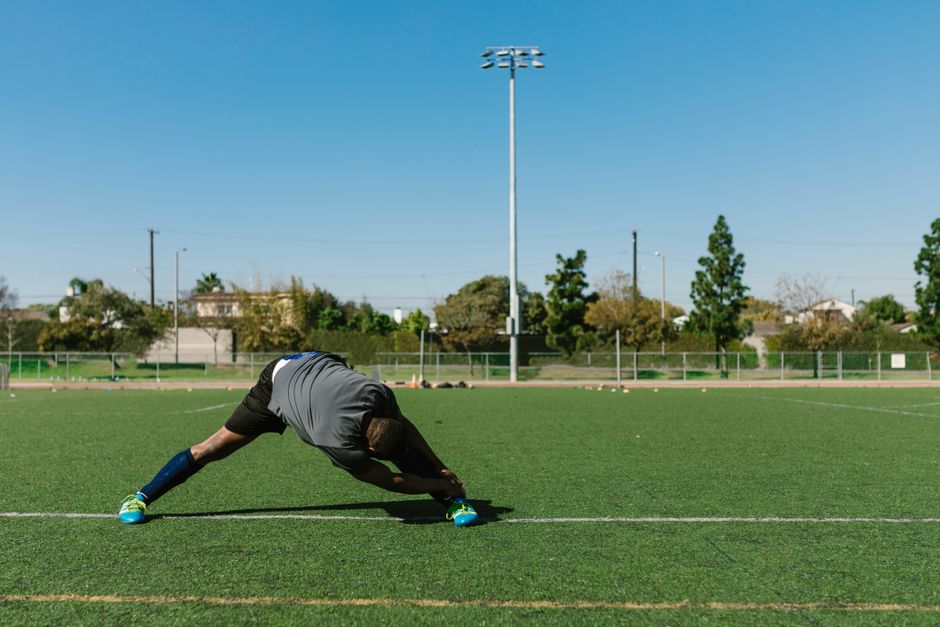
Incorporating stretching into your routine can improve flexibility and decrease muscle stiffness. Foam rolling, a form of self-myofascial release, is excellent for alleviating muscle tightness and improving blood flow.
Tip: Dedicate 10-15 minutes post-workout to stretch and use a foam roller to target sore muscles.
Cultural Practices in Muscle Recovery
Traditional Therapeutic Methods
Nigeria offers a rich tapestry of traditional healing practices that can aid muscle recovery. Practices such as massage and herbal treatments have been used for centuries to relieve pain and promote healing.
Consider utilizing locally available resources such as shea butter for massages, which is known for its anti-inflammatory properties.
Yoga and Mindfulness
Yoga is gaining popularity in Nigeria as a means to improve flexibility and mental well-being, both of which are beneficial for muscle recovery. Incorporating a few simple yoga poses into your routine can aid in reducing muscle tension.
Tip: Try practicing mindfulness meditation to reduce stress and promote a holistic recovery process.
Role of Professional Guidance
Working with Fitness Experts
If you're unsure about the best recovery strategies for your specific needs, consulting with a fitness professional can be invaluable. They can tailor a recovery plan that aligns with your fitness goals and lifestyle.
Many gyms in major Nigerian cities offer personal training services that include guidance on recovery techniques.
Physiotherapy and Rehabilitation
For those recovering from injuries, physiotherapy can offer structured rehabilitation programs to safely restore muscle function and strength.
Remember: Recovery is as important as your workout. Listen to your body and give it the care it deserves.
Conclusion
Embracing effective muscle recovery strategies is more than just a step towards better performance; it's a commitment to your overall health and well-being. By prioritizing hydration, nutrition, rest, and incorporating traditional and modern recovery practices, you can optimize muscle recovery and build resilience against injuries. As you navigate your fitness journey, remember that recovery is not a luxury but a necessity, especially in a fast-paced environment like Nigeria. Give your body the time and care it needs, and you'll find yourself stronger and more prepared to tackle future challenges.