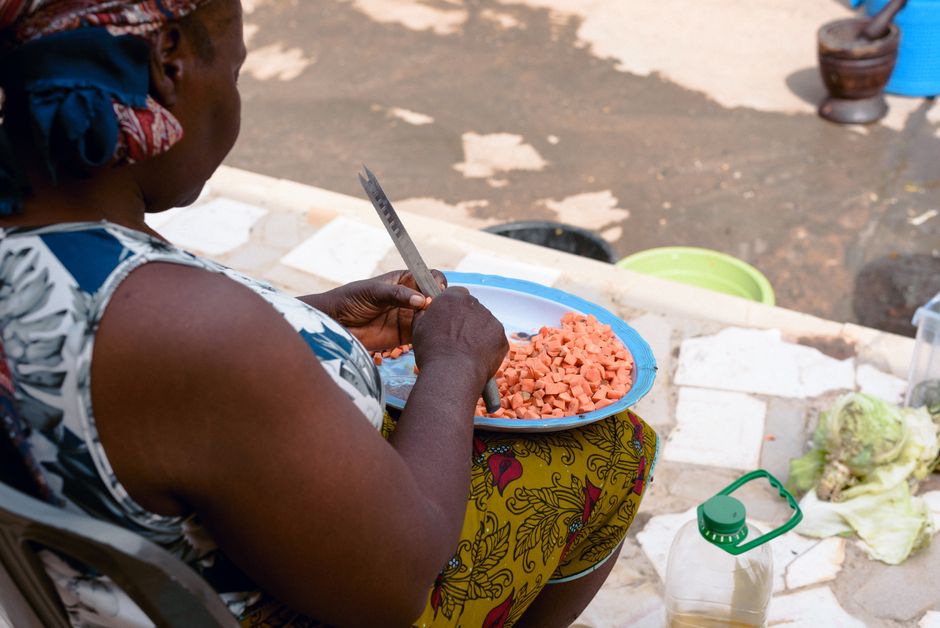
When it comes to recovery, nutrition often sits at the heart of the process, playing a vital role in restoring health and vitality. In Nigeria, where the rich tapestry of local foods offers a plethora of health benefits, understanding how to harness these foods during recovery can make all the difference. Whether recovering from an illness, surgery, or chronic stress, a well-balanced diet tailored to one's specific needs can accelerate healing and improve overall well-being.
In this article, we'll explore the essential role nutrition plays in recovery, highlighting specific Nigerian foods that are not only delicious but also packed with nutrients crucial for healing. We’ll dive into practical tips on creating balanced meals that support recovery and share insights on why paying attention to what you eat can transform your recovery journey.
The Role of Nutrition in Recovery
Nutrition is a cornerstone of recovery, impacting physical healing, mental well-being, and energy levels. After any physical or emotional stress, your body requires additional nutrients to repair tissues, replenish energy stores, and strengthen the immune system.
How Nutrients Aid Recovery
Proteins, carbohydrates, fats, vitamins, and minerals all contribute to recovery in unique ways. Proteins are essential for tissue repair, while carbohydrates provide the energy needed for healing. Fats support cellular function, and vitamins and minerals aid in various bodily processes crucial for recovery.
- Protein: Essential for tissue repair and regeneration. Sources include chicken, fish, beans, and nuts.
- Carbohydrates: Provide energy for recovery. Opt for whole grains, yam, and plantains.
- Fats: Necessary for hormone production and cellular health. Use healthy oils like palm oil and groundnut oil.
- Vitamins and Minerals: Support immune function and cellular repair. Include vegetables such as spinach, ugu, and fruits like oranges and pineapples.
Local Nigerian Foods and Their Healing Properties
Nigeria is blessed with a variety of foods that not only satisfy taste buds but also pack a punch in terms of nutritional value. Leveraging these foods can greatly enhance recovery efforts.
Protein-Rich Foods
Protein is crucial for rebuilding muscles and tissues. Foods such as egusi (melon seeds) and okra are excellent sources of plant-based protein that can be incorporated into soups and stews.
Energy-Boosting Carbohydrates
Staples like rice, yam, and cassava provide the necessary carbohydrates that fuel the body during recovery, ensuring you have enough energy to heal.
Vitamins and Minerals
Leafy greens like ugu and bitter leaf are rich in vitamins and antioxidants that help reduce inflammation and support the immune system.
Building a Balanced Recovery Diet
Creating meals that support recovery doesn’t have to be complicated. By focusing on variety and balance, you can ensure your body gets what it needs to heal.
Meal Planning for Recovery
Start by incorporating a mix of proteins, carbohydrates, and fats in every meal. This can look like a plate with jollof rice, grilled fish, and a side of steamed vegetables.
- Begin with a protein source, like chicken or beans.
- Add a carbohydrate, such as rice or yam.
- Include healthy fats, like avocado or a drizzle of olive oil.
- Round off your meal with vegetables and fruits.
Hydration and Recovery
Staying hydrated is equally important. Water facilitates digestion and nutrient absorption, so make sure to drink plenty throughout the day.
Common Nutritional Challenges in Recovery
Despite the abundance of healthy food choices, some challenges may arise during recovery that can make it difficult to maintain a balanced diet.
Lack of Appetite
After an illness or surgery, appetite might decrease. Small, nutrient-dense meals can ensure you still meet nutritional needs without feeling overwhelmed.
Food Insecurity
In some regions, access to fresh foods might be limited. Community initiatives and urban gardening projects can help improve access and availability of nutritious foods.
"Good nutrition is a wise investment for health recovery, helping you bounce back stronger and healthier." – Nutrition Expert
Conclusion
Understanding the impact of nutrition on recovery can empower you to make choices that enhance healing. By integrating local, nutrient-rich foods into your diet, you’re not only supporting your recovery but also celebrating the rich culinary heritage of Nigeria. So, the next time you're planning a meal, remember that each ingredient is a step towards better health and vitality.