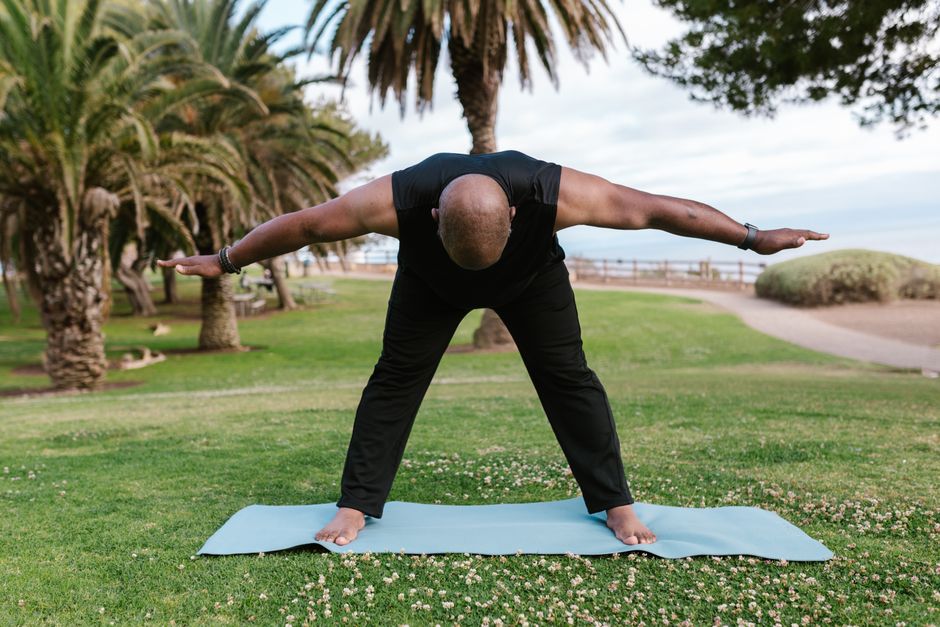
Whether you're an athlete, a fitness enthusiast, or just someone trying to keep fit, muscle recovery is crucial for sustaining physical activity and maintaining your overall health. In Nigeria, where the energy is high, and the pace can be relentless, understanding the best muscle recovery techniques can make a world of difference. Let's dive into the essentials of muscle recovery, ensuring you stay strong and injury-free.
Muscle recovery is the process your body goes through to repair damaged muscle tissue after exercise. It's not just about bouncing back from a workout but enhancing your performance and preventing future injuries. Whether you're running through the sand dunes of the Sahel or lifting weights in a Lagos gym, the principles of muscle recovery remain pivotal.
Let's explore some tried and tested muscle recovery techniques that can help you optimize your health and wellness journey.
Understanding Muscle Recovery
What Happens During Muscle Recovery?
Muscle recovery involves the repair of muscle fibers, the removal of lactic acid, and the replenishment of energy stores. After a rigorous workout, your muscles need time to heal and strengthen. This process is essential for all fitness levels, from beginners to seasoned athletes.
"Recovery is where the magic happens. It's your body's time to rebuild and come back stronger." - Dr. Adaobi Johnson, Sports Physiologist
Importance of Proper Recovery
Proper muscle recovery is key to avoiding overtraining and injuries. It allows you to achieve better performance, sustain your energy levels, and stay motivated. When recovery is neglected, you risk fatigue, decreased performance, and potential injuries.
- Reduces muscle soreness and stiffness
- Prevents overuse injuries
- Improves strength and endurance
- Enhances sleep quality and mood
Effective Muscle Recovery Techniques
Active Recovery
Active recovery involves low-intensity exercise after intense workouts. This method helps maintain muscle movement, aids blood flow, and accelerates the healing process. Think of activities like walking, cycling, or swimming at a leisurely pace.
For instance, after a challenging workout at the gym in Abuja, consider a gentle swim or a stroll through Millennium Park to keep your body active while aiding recovery.
Hydration
Staying hydrated is crucial for muscle recovery. Water aids in the transportation of nutrients and the removal of waste products from muscles. In Nigeria's warm climate, it's essential to drink adequate water to replace fluids lost through sweat during exercise.
"Don't underestimate the power of hydration. It's a simple yet effective way to support muscle recovery." - Ifeoma Adesanya, Nutritionist
Nutrition
A balanced diet provides the necessary nutrients for muscle repair. Ensure your meals include lean proteins, carbohydrates, and healthy fats. After a workout, refuel with foods rich in protein such as grilled fish, chicken, or beans to help rebuild muscle tissue.
- Protein: Aids in muscle repair and growth
- Carbohydrates: Restore energy levels
- Fats: Support overall health and hormone production
Advanced Recovery Methods
Foam Rolling
Foam rolling is a self-myofascial release technique that helps reduce muscle tightness. By using a foam roller, you can target specific muscle groups, improving blood flow and reducing soreness. Foam rolling is an excellent pre- and post-workout routine for gym-goers in Lagos or Port Harcourt.
Massage Therapy
Regular massages can alleviate muscle pain and improve circulation. Whether you opt for a professional massage or a simple self-massage at home, this technique can significantly enhance your body's recovery process.
"A good massage can do wonders for muscle recovery and overall well-being." - Tunde Balogun, Physical Therapist
Sleep and Rest
Never underestimate the power of a good night's sleep. During sleep, your body releases growth hormones that play a critical role in muscle recovery and repair. Aim for 7-9 hours of quality sleep per night to ensure your body has ample time to heal and recharge.
In the bustling cities of Nigeria, finding quiet time for rest might be challenging, but it's crucial for your recovery routine. Consider creating a bedtime routine that helps you wind down and prepare for a restful night.
Creating a Personalized Muscle Recovery Plan
Assess Your Recovery Needs
Every individual's recovery needs are unique, influenced by factors such as age, fitness level, and type of exercise. Evaluate your body's signals and adjust your recovery strategies accordingly.
Set Realistic Goals
Set achievable recovery goals that align with your fitness objectives. Whether it's reducing soreness, improving flexibility, or enhancing performance, having clear goals will guide your recovery practices.
- Listen to your body
- Monitor progress
- Adapt recovery strategies as needed
Consistency is Key
Consistency in your recovery routine is vital. Regularly incorporating recovery practices into your fitness regimen will yield the best results. Make recovery an integral part of your workout plan rather than an occasional afterthought.
Final Thoughts
Incorporating effective muscle recovery techniques into your fitness routine is essential for maintaining a healthy, active lifestyle. By understanding and applying the principles of recovery, you'll not only enhance your performance but also reduce the risk of injuries and prolong your fitness journey.
Remember, recovery is not a sign of weakness but a crucial component of strength. Whether you're jogging on the streets of Lagos or engaging in a home workout, prioritize your recovery to ensure long-term health and vitality.
"Recovery is an investment in your future performance. Take it seriously, and your body will thank you." - Emeka Okafor, Fitness Coach