Injuries can be a significant setback, especially when they disrupt our daily routines and activities. Whether you're an avid sports enthusiast or someone who enjoys a casual walk around your neighborhood in Lagos, injury prevention is crucial. Not only does it help in maintaining a healthy lifestyle, but it also ensures that you remain active without interruptions. If you've ever sprained an ankle or experienced back pain, you know how it can put a damper on your plans. So, let's dive into practical, everyday tips to prevent injuries and keep our bodies in top shape.
In Nigeria, where the hustle and bustle of city life often requires us to be on our toes, understanding the nuances of injury prevention becomes even more critical. From traffic jams on Third Mainland Bridge to the lively markets in Ibadan, our environment demands that we stay agile and alert. But sometimes, in our quest to meet daily demands, we overlook the basics of taking care of our bodies. Fortunately, with a few mindful changes and preventive measures, you can significantly reduce your risk of injury.
This guide will walk you through effective injury prevention strategies that are not only practical but also tailored to suit the average Nigerian lifestyle. Whether you're lifting heavy groceries at Balogun Market or engaging in a spirited game of football with friends, these tips will have you covered.
Understanding the Common Causes of Injuries
Poor Posture and Its Impact
Poor posture can be a silent offender when it comes to injuries. Many of us spend long hours sitting at desks or standing in queues, which can lead to back pain or neck strain. It's essential to maintain a good posture whether you're seated or standing. Correct alignment helps distribute body weight evenly, reducing undue stress on muscles and joints.
Overexertion During Physical Activities
While it's great to be active, overexerting yourself can lead to injuries. Whether you’re at the gym in Abuja or participating in a local marathon in Jos, listening to your body is critical. Pushing your limits is beneficial, but knowing when to rest is equally important.
- Warm-up adequately before any physical activity.
- Gradually increase the intensity of your workouts.
- Stay hydrated to prevent fatigue and muscle cramps.
Ignoring the Signs of Fatigue
Fatigue can impair your judgment and physical performance. If you’re feeling tired, take a break. Resting is not a sign of weakness; it’s a necessary step to ensure your body can recover and perform effectively.
"Listen to your body. It's smarter than you think." – Anonymous
Essential Injury Prevention Techniques
The Importance of Stretching
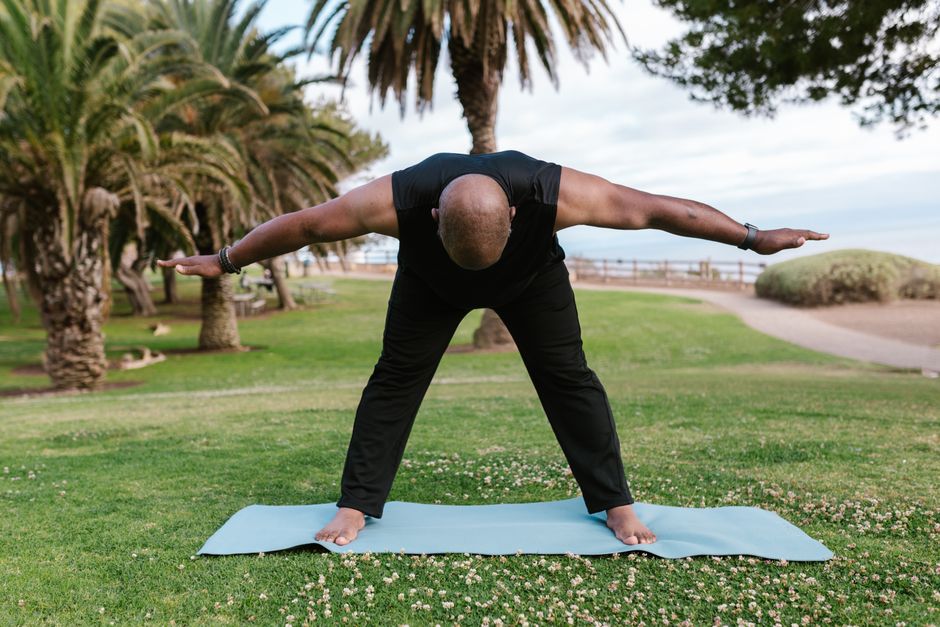
Stretching is often overlooked but plays a vital role in injury prevention. It helps increase flexibility, improves range of motion, and reduces muscle tension. Incorporate stretching into your daily routine, especially after long hours of sitting or strenuous activities.
Maintaining a Balanced Diet
A healthy diet is your first line of defense against injuries. Consuming a balanced diet rich in nutrients supports muscle growth and repair, enhancing overall performance and resilience.
- Include foods rich in calcium and vitamin D for strong bones.
- Consume lean proteins to aid muscle recovery.
- Stay hydrated with plenty of water and fresh fruit juices.
Proper Use of Equipment
Whether it’s sports gear or everyday tools, using the right equipment correctly can prevent many injuries. Ensure your footwear supports your activities, and any equipment you use is in good condition.
Creating an Injury Prevention Plan
Setting Realistic Goals
Setting achievable fitness goals can prevent overexertion, a major cause of injuries. Understand your body's limits and plan your activities accordingly. It’s better to progress steadily than push yourself too hard and end up sidelined by an injury.
Incorporating Rest Days
Rest is as crucial as exercise. Incorporate rest days into your fitness routine to allow your body time to recover and repair. This helps in preventing burnout and reduces the risk of injuries.
Regular Health Checkups
Regular health assessments can identify potential issues before they become serious. Consulting with healthcare professionals ensures that you’re on the right track and helps in making informed decisions about your health.
- Schedule annual physical exams.
- Consult a physiotherapist for persistent pains.
- Monitor your health with apps and devices.
Final Thoughts
Injury prevention is a comprehensive approach that requires attention to detail and consistency. By understanding common injury causes and implementing preventive measures, you can maintain an active and healthy lifestyle. Remember, prevention is better than cure. Whether you're navigating the vibrant streets of Nigeria or hitting the gym, being mindful of your body's limits and needs goes a long way in preventing injuries. Stay informed, stay safe, and keep moving with confidence.