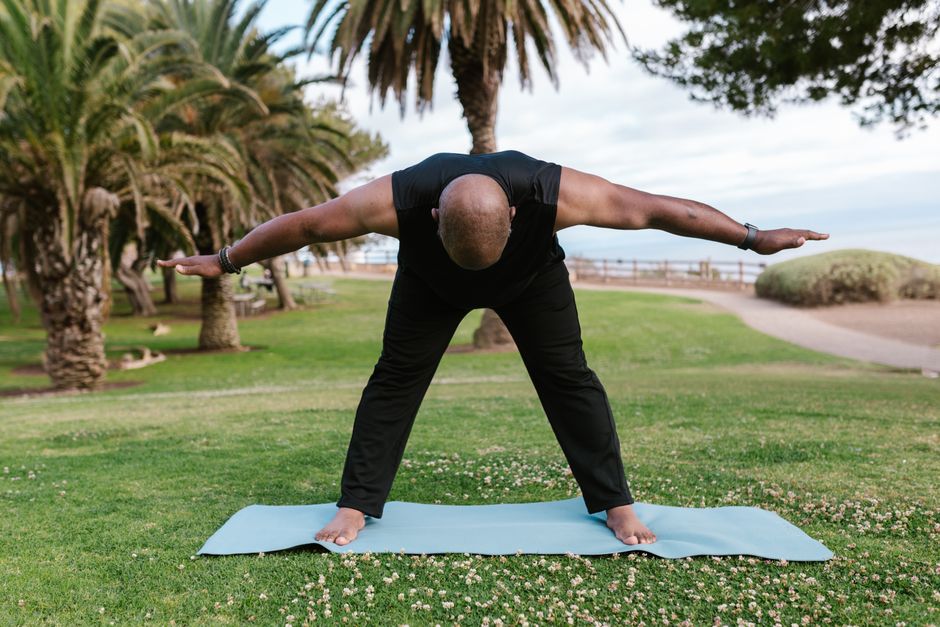
After a strenuous workout or a long day, your muscles need time to recover. Effective muscle recovery not only aids in reducing soreness but also boosts your overall performance. For many Nigerians juggling various commitments, finding the right balance between work, family, and personal time can be challenging. However, incorporating some simple strategies for muscle recovery into your routine can make a significant difference.
Whether you're hitting the gym in Lagos or participating in a football match in Abuja, the principles of muscle recovery are universal. Recovery is crucial for enhancing muscle function, reducing injury risks, and improving overall well-being. Let's dive into some practical ways to optimize your muscle recovery process.
Understanding Muscle Recovery
The Science Behind Muscle Recovery
Muscle recovery involves a complex process of repair and rebuilding that occurs after exercise. When you exercise, especially during weightlifting or high-intensity interval training, your muscle fibers experience small tears. This is a normal response and essential for muscle growth.
"Muscle recovery is the bridge between your workouts and your fitness goals."
During recovery, the body repairs these tears, making the muscles stronger and more resilient. Having an understanding of this process can help you appreciate the importance of allowing your body sufficient time to recover.
Importance of Nutrition
Nutrition plays a pivotal role in muscle recovery. Consuming the right nutrients enhances the repair process, reduces muscle soreness, and replenishes energy stores.
- Protein: Essential for muscle repair and growth. Consider sources like beans, fish, and chicken, common in Nigerian diets.
- Carbohydrates: Replenish glycogen stores. Include rice, yams, and plantains in your post-workout meals.
- Healthy Fats: Support overall health and reduce inflammation. Avocados and nuts are excellent choices.
Techniques for Enhanced Muscle Recovery
Rest and Sleep
Rest and quality sleep are paramount for recovery. It's not just about resting your muscles, but giving your entire body a chance to recharge.
For Nigerians, ensuring a good night's sleep amidst the hustle and bustle of city life can be tricky. Creating a peaceful sleep environment and maintaining a consistent sleep schedule are crucial steps.
Hydration
Proper hydration is often overlooked in muscle recovery. Water aids in transporting nutrients to cells and removing waste products.
"Stay hydrated to keep your body's recovery processes running smoothly."
Drink plenty of water throughout the day and consider coconut water or zobo (hibiscus tea) for an electrolytic boost.
Incorporating Active Recovery
What is Active Recovery?
Active recovery involves performing low-intensity exercises after intense workouts. This promotes blood flow and helps reduce muscle stiffness.
- Walking: A simple and effective way to maintain movement.
- Swimming: A low-impact exercise ideal for joint relief and muscle relaxation.
- Yoga: Helps improve flexibility and mental relaxation. Try combining traditional yoga with local practices like Nigerian dance for a unique experience.
Benefits of Stretching
Stretching helps lengthen muscle fibers and increase flexibility, reducing the risk of injuries. Incorporate dynamic stretching into your pre-workout routine and static stretches afterward.
Consider routines that focus on major muscle groups and include traditional movements that resonate culturally, such as stretches inspired by local dance forms.
Leveraging Technology for Muscle Recovery
Wearable Technology
Many Nigerians are embracing technology in their fitness journeys. Wearables like fitness trackers can monitor activity levels, sleep patterns, and recovery rates.
Using these gadgets can provide insights into when your body needs rest, ensuring you don't over-train.
Recovery Apps
Recovery apps can guide you through personalized recovery plans, reminding you of rest days and suggesting appropriate recovery exercises.
Apps focused on meditation and relaxation, such as Calm or Headspace, can also aid in mental recovery, which is as crucial as physical recovery.
Final Thoughts
Optimizing muscle recovery is not just about what you do after a workout; it's a holistic approach that includes nutrition, hydration, rest, and technology. By implementing these strategies, Nigerians can enhance their fitness journey, achieve their health goals, and enjoy a higher quality of life. Remember, recovery is a journey, not a destination. Listen to your body and make adjustments as needed to stay on track.