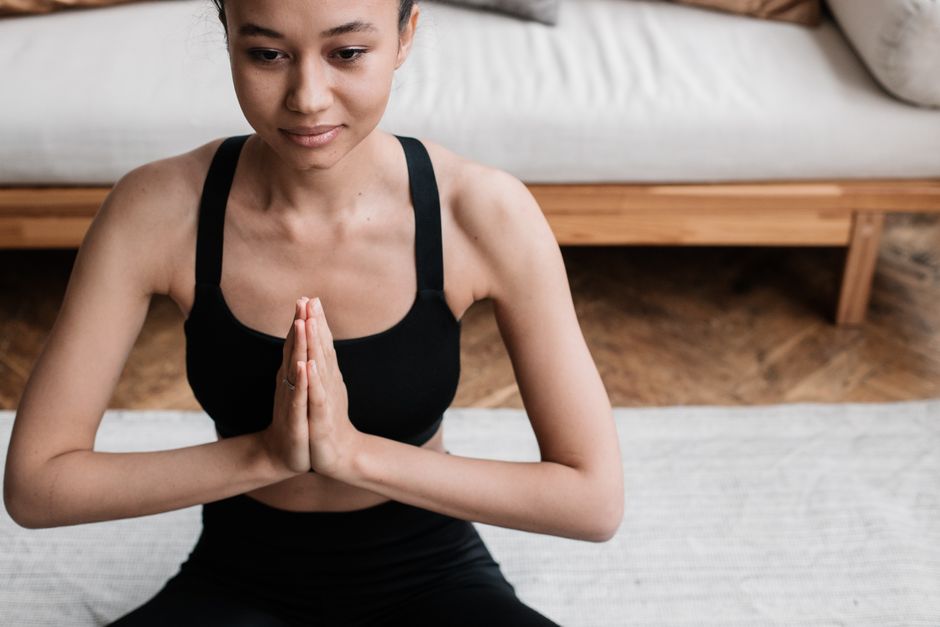
You've tried meditation. You’ve followed guided sessions, attended workshops, and even downloaded the latest meditation apps. Yet, you find yourself unsettled, your mind racing with thoughts rather than finding the peace everyone raves about. If this sounds all too familiar, you're not alone. Many people in Nigeria and beyond start their mindfulness journey with high hopes only to meet unexpected challenges.
The common advice is to stick with it. But what if traditional meditation isn’t your path to tranquility? What if there are alternative mindfulness practices better suited to your lifestyle and needs? Let's dive into practical solutions when the obvious approach isn't working.
Understanding Why Meditation May Not Work
Before exploring alternatives, it's crucial to understand why traditional meditation might not align with everyone's needs. Meditation, despite its popularity, is not a one-size-fits-all solution.
Incompatible Lifestyle
Nigerian cities like Lagos are bustling with life. The noise, pace, and demands can make finding a quiet moment for meditation challenging. Incompatibility with daily routines often leads to frustration rather than peace.
Misconceptions About Meditation
Many assume meditation is about completely emptying the mind. This misconception can lead to stress when thoughts persist, causing people to give up prematurely.
Physical Discomfort
Traditional meditation often involves sitting for prolonged periods. For some, especially those with back or joint issues, this can be more distracting than calming.
Exploring Alternative Mindfulness Practices
When traditional meditation doesn’t resonate, it’s time to rethink mindfulness. There are numerous practices that can offer similar benefits but align better with individual preferences.
Mindful Movement
- Yoga: Combining movement with breath, yoga can be deeply meditative. It doesn’t require silence or stillness, making it adaptable to bustling environments.
- Walking Meditation: This practice involves focusing on the sensations of walking. It’s perfect for those who find sitting meditation challenging and can be done anywhere.
- Dance: Engaging in dance as a form of mindful movement allows expression and stress relief, offering a dynamic path to mindfulness.
Breathwork
Breath-focused practices can be more accessible than traditional meditation. They require less time and can be done in various settings.
- 4-7-8 Breathing Technique: Inhale for 4 seconds, hold for 7, exhale for 8. This method calms the nervous system, ideal for stress relief.
- Box Breathing: Inhale, hold, exhale, and hold again in equal counts. This technique is used by athletes and professionals to maintain focus and calm under pressure.
Creative Outlets
Creative activities can also be meditative, providing focus and relaxation without traditional meditation's demands.
- Journaling: Writing thoughts down can be a powerful way to process emotions and bring clarity.
- Art and Craft: Engaging in painting, knitting, or other crafts allows for mindfulness through creativity.
Integrating Mindfulness into Daily Life
Mindfulness doesn’t have to be a separate activity. It can be woven into daily routines, making it more sustainable and less daunting.
Mindful Eating
Focus on the flavors, textures, and aromas of your meals. This practice not only enhances enjoyment but also promotes healthy digestion and portion control.
Mindful Listening
Take a moment to listen to music or sounds around you. Focus on each note or sound, allowing yourself to be fully present in the experience.
Mindful Commuting
Use your commute as a mindfulness practice. Notice the colors, sounds, and movement around you without judgment or distraction.
Overcoming Common Challenges
Adopting new mindfulness practices may come with its own challenges. Here’s how to overcome them.
Consistency
Start small. Dedicate five minutes a day to your chosen mindfulness practice. Gradually increase the time as it becomes a natural part of your routine.
Finding Support
Join local groups or online communities focused on alternative mindfulness practices. Sharing experiences can provide motivation and new insights.
Patience and Self-Compassion
“Remember, mindfulness is a journey, not a destination. Be kind to yourself as you explore what works best for you.”
Conclusion
If traditional meditation hasn’t worked for you, take heart. Mindfulness has many forms, and finding the right practice is key. By exploring alternative approaches, you can discover a fulfilling path to peace and presence in your everyday life.