Living an active lifestyle, whether as a casual jogger or an enthusiastic football player, is a cherished part of daily life for many Nigerians. Yet, the looming shadow of potential injuries can often deter us from fully embracing the activities we love. Understanding and implementing effective injury prevention strategies is key not only to maintaining our physical health but also to ensuring that we can enjoy our favorite activities for years to come. In this article, we'll delve into practical and culturally relevant strategies tailored for Nigerians to prevent injuries and keep moving.
Whether you're maneuvering the bustling streets of Lagos or traversing the serene pathways of Abuja, the ability to stay active without the fear of injury is empowering. Our journey today will cover everything from understanding the common causes of injuries to effective preventative techniques that are easy to incorporate into your daily routine. So, lace up your shoes, or perhaps settle into a comfortable chair, as we explore how you can stay active and injury-free.
Before diving into practical tips, let's take a moment to consider why injuries happen in the first place. From there, we'll explore strategies that not only fit seamlessly into the vibrant Nigerian lifestyle but also help safeguard against every conceivable mishap.
Understanding Common Causes of Injuries
Overuse and Muscle Fatigue
Overuse injuries occur when we push our bodies beyond their limits, leading to muscle fatigue and, eventually, damage. This is common among athletes and active individuals who frequently engage in repetitive motions.
Avoid overuse by listening to your body. If you feel muscle fatigue setting in, give yourself a break.
Poor Technique and Form
Poor technique can lead to strain and injury, especially in high-impact sports like football or running. Ensuring proper form is crucial to prevent these injuries.
- Seek professional guidance when starting a new sport.
- Pay attention to your body's alignment during physical activities.
Lack of Proper Warm-up and Cooldown
Skipping warm-ups and cooldowns is a common mistake that can lead to injuries. These routines prepare your muscles for activity and help them recover afterward.
- Spend at least 5-10 minutes warming up before exercise.
- Cool down with stretches to aid muscle recovery.
Effective Injury Prevention Strategies
Incorporating Stretching and Flexibility Work
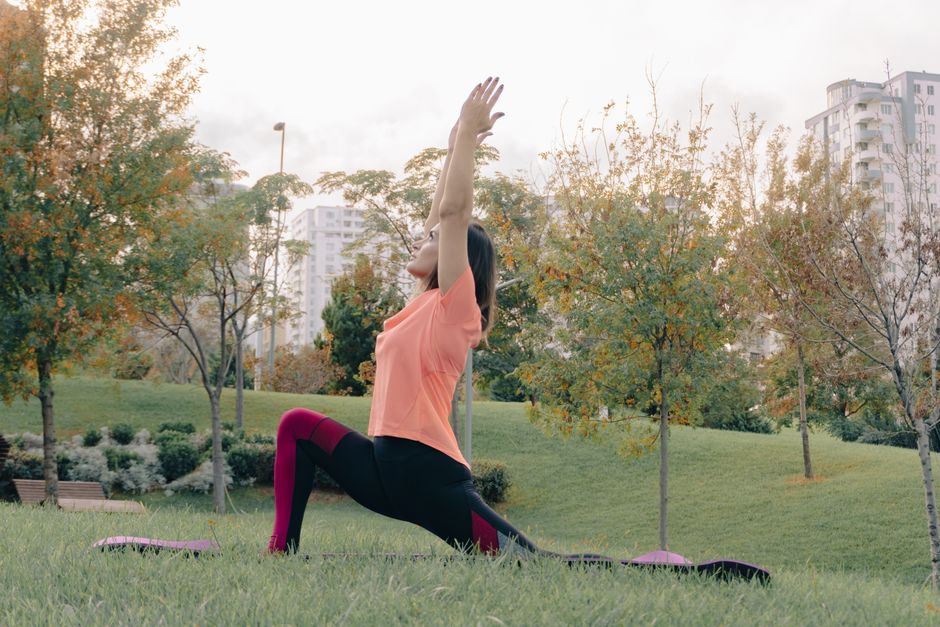
Stretching is not just a pre and post-exercise task; it’s a crucial element of injury prevention. Regular stretching increases flexibility, which in turn reduces the risk of injuries.
- Include dynamic stretches in your warm-up routine.
- Practice static stretching after exercise to enhance flexibility.
Balancing Activity with Rest
Rest is just as critical as exercise. It allows your body to recover and strengthen, preventing overuse injuries and improving overall performance.
Incorporate rest days into your weekly routine to maintain a healthy balance between activity and recovery.
Strengthening Supporting Muscles
Focusing on strengthening not just the primary muscles you use but also the supporting ones can prevent injuries by improving overall stability and strength.
- Engage in strength training exercises targeting core and stabilizing muscles.
- Incorporate resistance training to enhance muscle endurance.
Practical Tips for Staying Injury-Free
Choose the Right Gear
The right equipment can make a significant difference in preventing injuries. This includes shoes, protective gear, and supportive equipment tailored to your sport or activity.
- Invest in high-quality, sport-specific footwear to prevent foot and ankle injuries.
- Use protective gear such as helmets and pads for sports like cycling or football.
Listen to Your Body
Your body gives you signals when something is wrong. Learning to listen and respond to these signals is crucial for injury prevention.
- Pay attention to pain and fatigue; do not push through serious discomfort.
- Consult a healthcare professional if you experience persistent pain.
Stay Hydrated and Maintain Nutrition
Staying hydrated and eating a balanced diet supports overall health and physical performance, indirectly reducing the risk of injuries.
- Drink plenty of water throughout the day, especially during physical activity.
- Include a variety of nutrients in your diet to support muscle and bone health.
Final Thoughts
Embracing an active lifestyle is one of the best gifts you can give yourself, but it comes with its own set of challenges. Preventing injuries requires a holistic approach that combines education, preparation, and mindful practice. By understanding your body's limits and respecting its needs, you can make every stride, jump, or sprint count without fear of setbacks. Remember, the goal is not just to be active but to stay active, and with these strategies, you're well on your way to a healthier, more fulfilling life.
So, whether you're gearing up for a marathon or simply enjoying a leisurely walk around your neighborhood, keep these tips in mind. Your body will thank you, and your active lifestyle will flourish without the burden of injury.