Muscle recovery is an essential component of any fitness regimen, and understanding its nuances can make a significant difference in how effectively you bounce back from workouts. In Nigeria, a country rich in cultural diversity and traditional practices, there are unique approaches that can be harnessed to improve muscle recovery. Whether you're an athlete, a fitness enthusiast, or someone who engages in physical labor regularly, understanding these practices can be beneficial.
Traditional Nigerian practices, from our diets to our daily routines, offer a wealth of knowledge that can be applied to modern fitness strategies. Have you ever wondered how the fresh palm oil used in our dishes or the routine of taking a mid-day rest could affect your muscle recovery? Let's delve into these topics and explore how you can tap into these cultural elements for enhanced recovery and improved well-being.
The Importance of Muscle Recovery
Muscle recovery is the period of rest and repair for your muscles after intense physical activity. During this time, the body works to rebuild damaged muscle fibers, replenishes energy stores, and strengthens the muscle tissue. Proper recovery is crucial for preventing injuries, improving performance, and ensuring long-term health.
Why Recovery Matters
Muscle recovery is the body's natural way of preparing itself for future physical challenges. Without adequate recovery, you risk injury, fatigue, and even reduced performance. For instance, consistently skipping recovery time can lead to muscle strains or chronic issues like tendonitis.
"Recovery is the secret weapon of high-performing athletes. It's not just about working hard; it's about working smart."
Signs of Poor Recovery
- Persistent muscle soreness
- Increased fatigue
- Decreased performance
- Sleep disturbances
- Frequent injuries
If you experience these signs, it might be time to evaluate your recovery practices.
Traditional Nigerian Diets for Recovery
Nigerian cuisine is not only rich and flavorful but also packed with nutrients that support muscle recovery. Let's explore how some traditional foods contribute to this process.
Protein-Rich Meals
Protein is vital for muscle repair and growth. Traditional Nigerian dishes like moi-moi (steamed bean pudding) and egusi soup (melon seed soup) are excellent sources of protein.
- Moi-moi: Made from black-eyed beans, this dish provides a good amount of protein and is also rich in fiber.
- Egusi Soup: This melon seed-based soup not only delivers protein but also healthy fats essential for recovery.
Anti-Inflammatory Ingredients
Inflammation can hinder recovery, so incorporating anti-inflammatory foods like ginger and turmeric, commonly used in Nigerian cooking, can be beneficial.
Rest and Recovery Practices
Rest is a cornerstone of recovery. In Nigeria, siestas or mid-day rests are a common practice, especially in rural areas. Understanding the role of rest can enhance your recovery strategy.
Mid-Day Rests
While not everyone in urban areas may have the luxury of a siesta, incorporating short naps or rest periods can greatly aid muscle recovery. These rests allow the body to relax and recover energy.
Quality Sleep
Ensuring you get 7-9 hours of quality sleep is crucial. Sleep is when the body undergoes most of its repair processes, making it non-negotiable for effective recovery.
Consider reducing screen time before bed and creating a restful environment to improve sleep quality.
Stretching and Yoga for Recovery
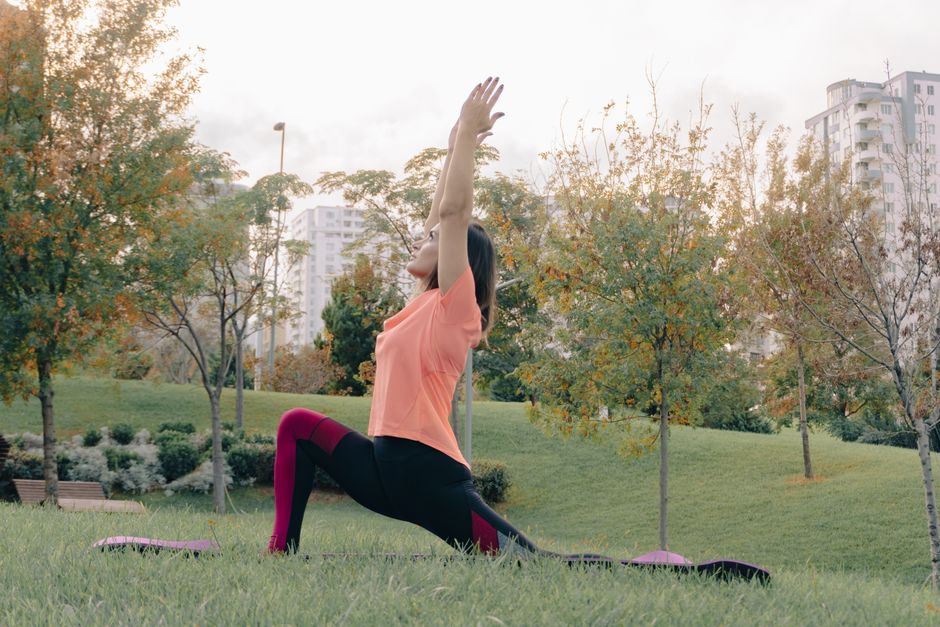
Incorporating stretching and yoga into your routine can help improve flexibility, reduce muscle tension, and enhance overall recovery. These practices, though not traditionally Nigerian, are becoming increasingly popular and can complement our cultural practices.
Benefits of Stretching
- Increases blood flow to muscles
- Improves flexibility and range of motion
- Reduces muscle tension and soreness
Try incorporating dynamic stretches before workouts and static stretches afterwards for optimal results.
Yoga Practices
Yoga can aid in mental relaxation and physical recovery. Poses such as the child's pose or downward dog stretch and relax muscles while promoting mindfulness.
"Yoga is not just a workout; it's about working on yourself."
Final Thoughts
Embracing the rich tapestry of Nigerian cultural practices can significantly enhance your muscle recovery strategy. From our nutrient-packed diets to traditional rest practices, there's much to be gained by incorporating these elements into your lifestyle. Recovery is as much about the time you spend resting as it is about the quality of those moments. By integrating these practices, you'll not only improve your recovery but also enjoy a healthier, more balanced life. Remember, recovery is not a luxury; it's a necessity for achieving and maintaining peak performance.