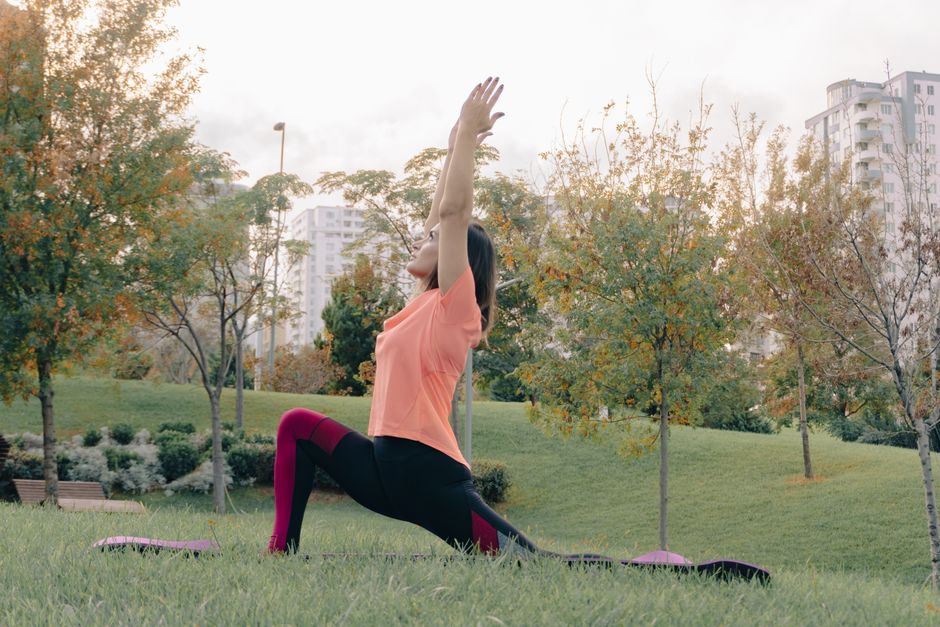
Whether you're a professional athlete or someone who enjoys jogging in the serene parks of Lagos, understanding the importance of recovery cannot be overstated. Stretching, an often overlooked component of fitness routines, plays a critical role in muscle recovery and injury prevention. Let's explore how effective stretching techniques can enhance your recovery process and keep you active and injury-free.
Stretching is more than just a way to increase flexibility. It's a powerful tool that, when used correctly, can significantly speed up muscle recovery, improve circulation, and even boost your mental well-being. Picture this: after a long day at work or a strenuous workout session, you can unwind, stretch your muscles, and feel the stress melt away. Sounds amazing, right? Let's dive deeper into the world of stretching and muscle recovery.
The Science Behind Stretching
Why Stretching Matters
Stretching helps in extending the muscle fibers, which increases blood flow to the muscle tissues. This improved circulation not only delivers essential nutrients to the muscles but also aids in flushing out the metabolic waste that accumulates post-exercise.
"Stretching is like giving your muscles a chance to breathe; it's as essential as the air we breathe after a long run," says Dr. Ada, a renowned physiotherapist in Lagos.
Physical Benefits
- Improved Flexibility: Regular stretching increases the flexibility of muscles and tendons, reducing the risk of injuries.
- Enhanced Range of Motion: It ensures joints move through their full range of motion, improving overall performance.
- Reduced Muscle Tension: It helps in releasing tension, soothing the muscles post-exercise.
Types of Stretching Techniques
Static Stretching
This involves holding a stretch for a period, usually between 15 to 60 seconds, focusing on one muscle group at a time. It's best performed after workouts to aid in cooling down.
Dynamic Stretching
Unlike static stretching, dynamic stretching involves active movements that mimic the activity you'll be doing. It is ideal for warming up as it prepares the muscles for action.
PNF Stretching
Proprioceptive Neuromuscular Facilitation (PNF) is a more advanced form of flexibility training that involves both stretching and contracting the muscle group being targeted. It's highly effective for gaining flexibility.
Stretching for Recovery: Practical Tips
Creating a Stretching Routine
- Start Slowly: Begin with gentle stretches and gradually increase intensity to avoid strain.
- Listen to Your Body: Pay attention to how your muscles feel and stop if you experience any pain.
- Consistency is Key: Make stretching a part of your daily routine for the best results.
Time Your Stretching
The timing of your stretching routine can affect its effectiveness. Post-exercise stretching can help in muscle recovery, while a morning stretch can prepare your body for the day.
Stretching and Recovery in Nigerian Culture
In Nigeria, where traditional practices and modern science often blend, incorporating stretching into daily life can be as simple as a morning routine or an evening ritual. Imagine sitting on your balcony, stretching while watching the sunset over the bustling city — a calming moment that not only benefits your body but also your mind.
Common Mistakes and How to Avoid Them
Stretching Cold Muscles
Never stretch cold muscles. Engage in a light warm-up, such as walking or jogging, before stretching to prevent injuries.
Overstretching
It's crucial to stretch to a point of mild tension, not pain. Overstretching can lead to muscle damage and should be avoided.
"Stretching should be a gentle process. Pushing your body too hard can be counterproductive," advises Chidi, a fitness coach in Abuja.
Conclusion
Stretching is a vital component of any recovery plan, offering a range of physical and mental benefits. By integrating effective stretching techniques into your routine, you can enhance muscle recovery, improve flexibility, and maintain a balanced lifestyle.
Whether you're stretching after a long day of work or incorporating it into your fitness routine, remember that consistency and patience are your best friends on this journey to a healthier you.