Muscle recovery is a critical component of any fitness journey, yet it often takes a back seat to more exciting elements like workouts and personal achievements. In Nigeria, where fitness routines are increasingly becoming a part of daily life for many, understanding the nuances of muscle recovery can lead to more effective training and overall well-being. Whether you're navigating the vibrant streets of Lagos after a run or unwinding after a long day in Abuja, these recovery techniques are tailored to help you bounce back stronger.
Muscle recovery isn't just about taking a day off; it's about integrating strategic rest into your routine. So, let’s delve into some practical and science-backed methods that will help you maximize your recovery time.
Understanding Muscle Recovery
Before diving into techniques, it’s crucial to understand what muscle recovery entails and why it’s vital. When you exercise, especially during intense workouts, your muscle fibers experience microscopic damage. Recovery is the process that allows these muscles to repair, rebuild, and grow stronger.
The Science Behind Muscle Recovery
When muscles are subjected to stress, they undergo small tears. The body reacts by repairing these fibers, resulting in increased muscle mass and strength. This process is primarily facilitated by proteins known as myofibrils.
Importance of Rest and Recovery
Without adequate recovery, muscles remain damaged, leading to decreased performance and potential injuries. This is why rest days are just as important as workout days.
"Think of recovery as the glue that holds your fitness routine together. It ensures sustainability and long-term progress."
Effective Muscle Recovery Techniques
Now that we’ve established why muscle recovery is essential, let’s explore some effective techniques that you can incorporate into your routine.
Active Recovery
Active recovery involves low-intensity exercises that promote circulation and help reduce muscle stiffness. Activities like walking, cycling, or swimming can be perfect for this purpose.
- Take a leisurely walk around your neighborhood or a local park.
- Engage in light swimming sessions at a local pool or beach.
- Try cycling at a relaxed pace.
Proper Hydration
Staying hydrated is crucial for recovery as it helps flush out toxins and prevent cramping. Aim to drink at least 2-3 liters of water daily, adjusting based on your activity level.
Nutrition for Recovery
Your body needs the right nutrients to repair and grow muscles. Incorporate a balanced diet rich in proteins, carbohydrates, and healthy fats.
- Enjoy a meal of jollof rice with grilled chicken for a nutritious post-workout meal.
- Snack on nuts and fruits like bananas and oranges for quick energy replenishment.
- Include leafy greens and beans for additional vitamins and minerals.
Massage and Foam Rolling
Massages and foam rolling can help alleviate muscle tension and improve blood circulation, enhancing recovery.
Incorporating Stretching and Yoga
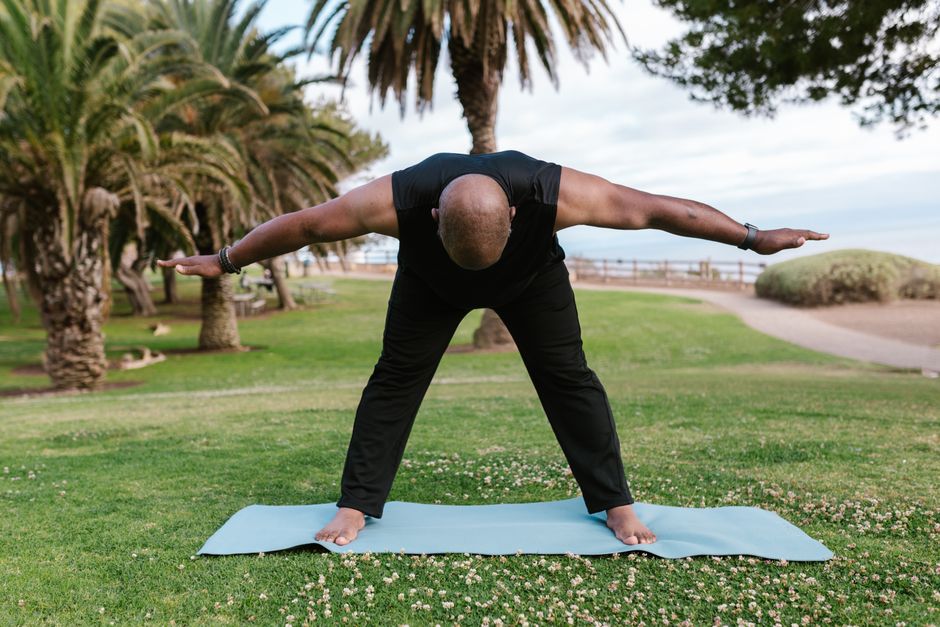
Stretching and yoga are vital components of muscle recovery, offering both physical and mental benefits.
Benefits of Stretching
Stretching helps maintain flexibility and range of motion in your joints. It also reduces muscle tension and soreness.
- Incorporate dynamic stretching before a workout and static stretching post-workout.
- Focus on major muscle groups like calves, thighs, hips, lower back, and shoulders.
Yoga for Recovery
Yoga not only aids physical recovery but also enhances mental relaxation. It helps in reducing cortisol levels, promoting overall stress relief.
- Join a local yoga class or follow online sessions tailored for muscle recovery.
- Practice poses like the Child's Pose, Downward Dog, and the Reclining Spinal Twist.
Managing Stress for Better Recovery
Stress management is crucial for effective recovery as high stress levels can impede muscle repair.
Mindfulness and Meditation
Incorporate mindfulness and meditation practices to enhance mental clarity and reduce stress.
- Set aside 10-15 minutes daily for meditation.
- Practice deep breathing exercises to calm your mind.
"A calm mind can lead to a stronger body. Integrating mental wellness into your recovery routine is key."
Sleep as a Recovery Tool
Quality sleep is perhaps the most powerful recovery tool available. Aim for 7-9 hours of sleep per night to ensure your body has ample time to repair muscles and consolidate memory.
Conclusion
Incorporating effective muscle recovery techniques into your fitness regime is not just about improving performance, but also about ensuring long-term health and sustainability. As you engage in various activities, whether it's the bustling life in Nigerian cities or serene walks in the countryside, remember that recovery is your ally. Prioritize it, and your body will thank you with improved performance and reduced risk of injury. Embrace these strategies, and watch as you become not just fitter, but healthier and more resilient.