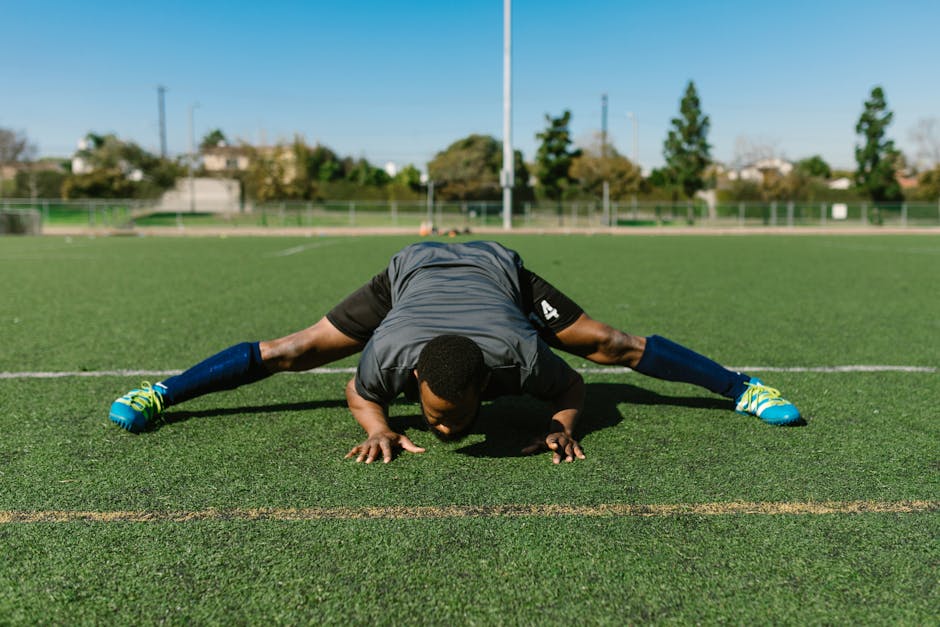
Whether you're an athlete, a fitness enthusiast, or someone who just enjoys a brisk walk, muscle recovery plays a vital role in keeping you active and healthy. In Nigeria, where the vibrant culture often includes physical activities and sports, understanding how to properly recover your muscles can make a significant difference in your daily life.
This guide offers practical advice on how to enhance your muscle recovery process, ensuring that you bounce back stronger and ready for your next challenge. You might be surprised how a few simple changes to your routine can boost your overall well-being and performance.
Let's dive into some effective muscle recovery strategies that are easy to incorporate into any lifestyle, even amidst the hustle and bustle of Nigerian city life.
Understanding Muscle Recovery
Why Muscle Recovery is Important
Muscle recovery is crucial because it allows your body to repair and strengthen your muscles after exercise. Without proper recovery, you risk overtraining, which can lead to injuries.
"Muscle recovery is just as important as the workout itself. It’s where the magic happens," says Oluwatobi Adebayo, a Lagos-based fitness coach.
When you exercise, especially during intense workouts, your muscle fibers experience small tears. Recovery allows these tears to heal, making your muscles stronger and more resilient for future activities.
The Science Behind Muscle Recovery
Understanding the biological process of muscle recovery can help you appreciate its importance. Post-exercise, your body begins the repair process by delivering essential nutrients, like proteins and amino acids, to your muscles.
This process is influenced by factors such as the intensity of your workout, your diet, hydration level, and sleep quality. All these elements work together to optimize recovery.
Effective Muscle Recovery Strategies
Hydration and Nutrition
Water and nutrition are foundational to muscle recovery. Staying hydrated helps transport nutrients to your cells and flush out toxins.
- Drink plenty of water, especially in Nigeria's warm climate.
- Include protein-rich foods, like beans and fish, in your diet to support muscle repair.
- Consume foods high in antioxidants, such as fruits and vegetables, to reduce inflammation.
Incorporating these dietary practices can significantly impact your muscle recovery time and efficiency.
Rest and Sleep
Rest is a critical component of recovery. Your body does most of its repair work during sleep, so ensuring you get enough quality rest is essential.
- Aim for 7-9 hours of sleep per night.
- Keep a regular sleep schedule, even on weekends.
- Create a restful sleep environment by reducing noise and light.
In Nigeria, where power outages can interrupt sleep, consider using a generator or inverter to maintain a comfortable sleeping environment.
Active Recovery
Rather than sitting idle, active recovery involves low-intensity exercises that increase blood flow to muscles without causing further strain.
- Try light yoga or stretching, which are great for flexibility and relaxation.
- Go for a casual walk or swim to stimulate circulation.
- Consider incorporating Nigerian dance styles, like Naija Pop or Afrobeat, into your recovery routine for a fun twist.
Active recovery helps eliminate lactic acid build-up and keeps your muscles engaged.
Common Muscle Recovery Mistakes to Avoid
Skipping Warm-Up and Cool-Down
One common mistake is neglecting the warm-up and cool-down phases of a workout. Warm-ups prepare your body for exercise, while cool-downs help transition it back to a resting state.
Skipping these steps can lead to unnecessary strain and delayed recovery time.
Overlooking the Importance of Hydration
Dehydration is a frequent issue, especially in Nigeria's hot and humid climate. Not drinking enough water can impede recovery and lead to fatigue.
"A well-hydrated body is a recovering body," suggests Dr. Chiamaka Okechukwu, a Nigerian sports nutritionist.
Make a habit of drinking water throughout the day, not just during workouts.
Incorporating Technology into Muscle Recovery
Wearable Devices
Technology can aid in recovery by monitoring your activity levels, sleep quality, and heart rate. Wearable devices, like fitness trackers, provide valuable data that can help you adjust your recovery routine.
These insights allow you to personalize your approach, ensuring you're neither overexerting nor under-recovering.
Recovery Apps and Tools
Nigerians can also benefit from mobile apps that guide stretching routines, offer hydration reminders, and track nutrition. These tools can be a game-changer in maintaining consistent recovery practices.
- Explore apps that offer guided yoga and stretching sessions.
- Use apps to set reminders for hydration and meals.
- Leverage online communities for shared tips and motivation.
Final Thoughts
Muscle recovery is an integral part of maintaining a healthy and active lifestyle. By understanding the importance of recovery and implementing these strategies, you can improve your physical performance and reduce the risk of injury.
Whether you're engaging in traditional Nigerian sports or modern fitness routines, effective muscle recovery practices will ensure you're always at your best.
Embrace these tips, listen to your body, and remember that recovery is a journey, not a race. Take it one step at a time, and you'll see the benefits in no time.