Muscle recovery is a crucial aspect of any fitness journey, whether you're an athlete, a fitness enthusiast, or someone who enjoys occasional exercise. But have you ever wondered why sometimes your muscles feel sore for days, hindering your daily activities? In Nigeria, where our bustling lifestyle often combines work and family obligations, effective muscle recovery can seem like a luxury. However, understanding and applying practical recovery techniques can make all the difference in boosting your performance and enhancing your overall well-being.
In this article, we'll dive into various muscle recovery strategies that are not only effective but also fit seamlessly into the Nigerian way of life. From traditional methods to modern practices, these tips will help you bounce back quicker, stronger, and ready for your next challenge.
Understanding Muscle Recovery
The Science Behind Muscle Recovery
Muscle recovery is a physiological process where the body repairs muscle fibers damaged during intense physical activities. When you exercise, especially when you lift weights or engage in endurance sports, you create tiny tears in your muscle fibers. Your body needs time to repair these tears, which actually makes your muscles stronger and more resilient.
During this repair process, your body works overtime to remove metabolic wastes, replenish energy stores, and rebuild muscle tissue. This is why rest and proper nutrition are key components of muscle recovery.
"Recovery is the secret to long-term fitness success. Prioritize it as you do your workouts."
Importance of Proper Recovery
Proper muscle recovery not only prevents injuries and reduces muscle soreness but also improves your performance and helps you achieve your fitness goals faster. Ignoring recovery can lead to overtraining, which is counterproductive and can even harm your health.
In Nigeria, where many individuals juggle multiple responsibilities, efficient recovery strategies can help maintain a balanced lifestyle. Whether you are in Lagos hustling the 9-to-5 grind or a student in Ibadan balancing studies and workouts, effective recovery is essential.
Effective Muscle Recovery Techniques
Active Recovery
Active recovery involves engaging in low-intensity exercises post-workout to keep the blood flowing and promote healing. Activities like walking, cycling, or gentle swimming can keep your muscles active without adding stress.
- Walking: A 20-30 minute walk after a workout can help reduce soreness.
- Stretching: Gentle stretching helps in maintaining flexibility and reducing muscle tension.
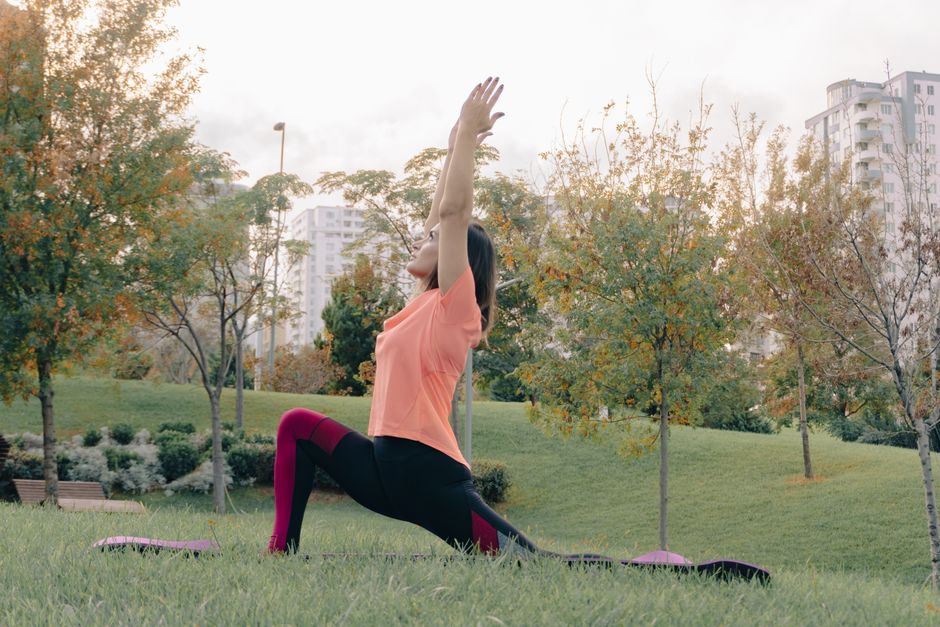
- Yoga: Practicing yoga not only aids in flexibility but also helps in calming the mind.
Nutrition for Recovery
Your diet plays a significant role in muscle recovery. Consuming the right nutrients can expedite recovery and enhance performance.
- Protein: Essential for muscle repair, include sources like fish, chicken, and beans.
- Carbohydrates: Help replenish energy stores; consider yams, rice, or plantains.
- Hydration: Drink plenty of water to help flush out toxins and support metabolic functions.
Consider incorporating some local superfoods like egusi and okra into your meals, which are rich in nutrients that support muscle recovery.
Rest and Sleep
The Role of Sleep in Recovery
Sleep is perhaps the most underrated component of muscle recovery. During deep sleep, the body releases growth hormones that are crucial for muscle repair and growth.
Aim for 7-9 hours of quality sleep each night. Establishing a sleep routine can be beneficial, such as going to bed and waking up at the same time every day, even on weekends.
Power Naps
If your schedule allows, consider taking short naps during the day. A 20-minute nap can help rejuvenate your body and mind, offering a quick boost to your recovery process.
Using Massage and Foam Rolling for Recovery
Benefits of Massage
Massages can improve circulation, reduce muscle tension, and enhance flexibility, making them an excellent recovery tool. In Nigeria, where traditional massage methods are popular, consider incorporating them into your routine for holistic benefits.
Foam Rolling
Foam rolling is a form of self-massage that can help release muscle knots, improve blood flow, and accelerate recovery. It is affordable and can be done at home, making it ideal for busy schedules.
- Start with a soft roller if you're new to foam rolling.
- Focus on major muscle groups like thighs, calves, and back.
- Roll slowly and pause at tender spots for maximum benefit.
Final Thoughts
Incorporating effective muscle recovery techniques into your fitness routine doesn't have to be complicated or time-consuming. By understanding the science behind recovery and implementing practical strategies such as active recovery, proper nutrition, adequate rest, and massage, you can significantly enhance your performance and well-being.
Whether you're in Abuja, Kano, or Port Harcourt, these recovery tips can be tailored to fit your lifestyle and help you achieve your fitness goals. Remember, the key to long-term success in any fitness journey is not just pushing your limits but also knowing when to step back and allow your body to recover and grow stronger.