Muscle recovery is a critical component of any fitness journey, yet it's often overlooked in the hustle to achieve quick results. Whether you're lifting weights at a gym in Lagos or running through the beautiful landscapes of Jos, understanding and prioritizing recovery can make all the difference in your performance and overall well-being.
For many Nigerian fitness enthusiasts, the concept of recovery might seem secondary to working out itself. However, the truth is that muscle recovery is integral to gaining strength, improving performance, and preventing injuries. Let's dive into some practical and effective muscle recovery techniques that you can incorporate into your daily routine.
The Importance of Muscle Recovery
Before we delve into the techniques, it's essential to understand why muscle recovery is so crucial. When you engage in physical activity, especially high-intensity exercises, your muscle fibers undergo stress and microscopic tears. Recovery allows these muscles to repair and grow stronger.
Prevention of Injuries
Regular recovery routines reduce the risk of injuries. When muscles are given time to heal, they can handle more stress and strain in future workouts.
"Recovery is not just a break; it's the step where muscles grow."
Injury prevention should be a priority, especially for those who are consistently active. Proper recovery prevents overuse injuries that are common among athletes.
Enhanced Performance
By allowing your muscles to recover, you enhance your performance. You'll notice improved endurance, strength, and overall fitness levels.
- Avoid burnout by balancing exercise with rest.
- Ensure muscles are not overworked, leading to sustained performance.
Essential Muscle Recovery Techniques
Hydration and Nutrition
Hydration is key to muscle recovery. Water aids in transporting nutrients to cells and removing waste products. Ensure you're drinking enough water throughout the day.
Nutrition is equally important. A balanced diet rich in proteins, carbohydrates, and healthy fats supports muscle repair and growth.
- Include lean proteins like chicken or fish in your meals.
- Consume complex carbohydrates such as yams or brown rice for sustained energy.
- Incorporate fruits and vegetables for vitamins and minerals.
Rest and Sleep
Rest is perhaps the most effective recovery tool. Your body performs most of its repair work during sleep, so getting adequate rest is non-negotiable.
"Aim for 7-9 hours of sleep for optimal muscle recovery."
Establish a regular sleep schedule and create a peaceful sleeping environment to improve the quality of your sleep.
Stretching and Yoga
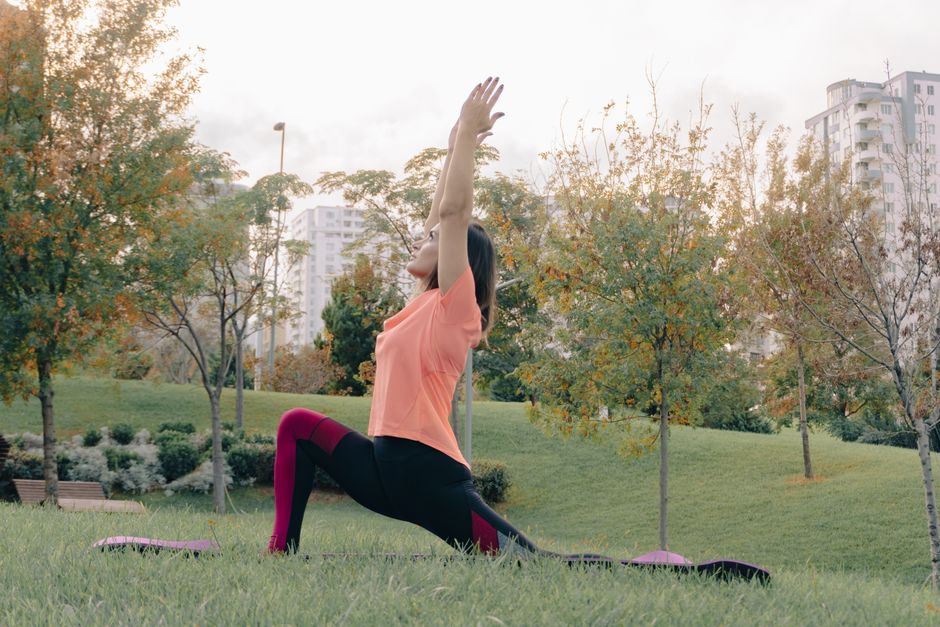
Incorporating stretching and yoga into your routine can significantly enhance muscle recovery. These practices increase flexibility, reduce muscle stiffness, and improve circulation.
Static and Dynamic Stretching
Static stretching involves holding a stretch for a prolonged period, while dynamic stretching entails moving parts of your body through a full range of motion.
- Perform static stretches post-workout to aid recovery.
- Use dynamic stretches as part of your warm-up routine.
Yoga Practices
Yoga combines stretching, breathing exercises, and meditation to not only improve flexibility but also to promote mental relaxation.
Regular yoga practice can ease muscle tension and stress, contributing to a more effective recovery process.
Using Sport Massages and Foam Rolling
Sport massages and foam rolling are excellent for muscle recovery as they help release muscle knots and improve blood flow.
Benefits of Foam Rolling
Foam rolling, also known as self-myofascial release, can be done at home and is highly effective in reducing muscle soreness.
- Target specific muscle groups for relief.
- Use foam rollers regularly to maintain muscle health.
Sport Massages
Consider scheduling regular sport massages with a professional. These massages help in alleviating deep muscle tension and speeding up recovery.
In Nigeria, you can find trained massage therapists in most urban areas who specialize in sports recovery.
Final Thoughts
Muscle recovery is not just a supplementary part of fitness; it's a foundational one. By incorporating these techniques into your routine, you ensure your muscles are ready to perform at their best. Whether you're a weekend warrior or a seasoned athlete, prioritizing recovery will yield tremendous benefits in your journey. Remember, it’s not just about working hard, but also about working smart.