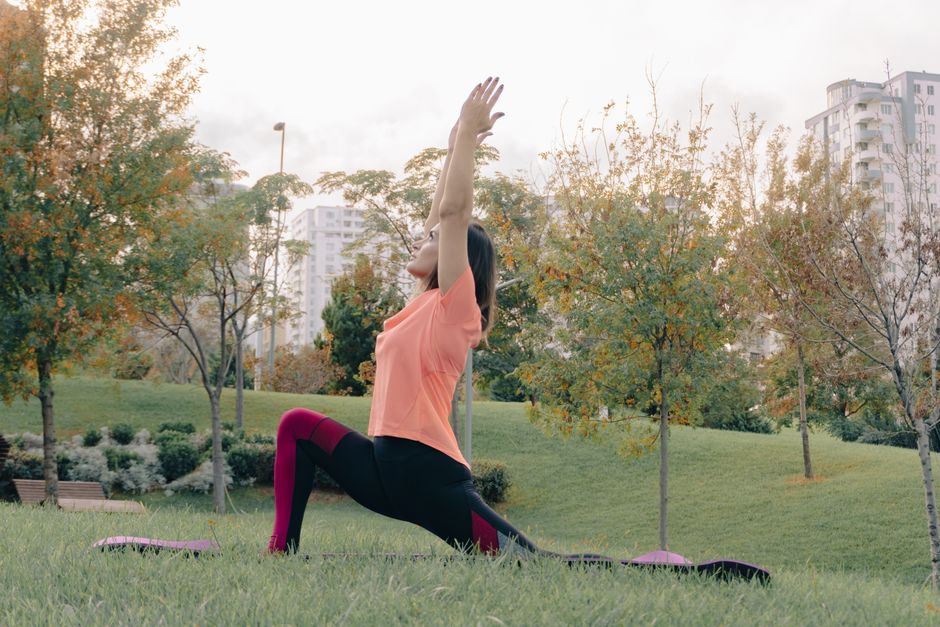
After an intense workout or a long day of physical activity, your muscles need time to recover and rebuild. Understanding effective muscle recovery techniques is not just beneficial—it’s essential for maintaining optimal health and performance. Whether you're an athlete, a fitness enthusiast, or simply someone trying to stay active, integrating recovery practices into your routine can help prevent injuries and improve overall well-being.
In Nigeria, where lifestyles can vary greatly from bustling city life to the more relaxed pace of rural areas, understanding and implementing effective muscle recovery methods is crucial. From the bustling streets of Lagos to the serene landscapes of Jos, every physical activity demands attention to muscle recovery. Let's delve into some practical, evidence-based strategies to help you recover better and stay at the top of your game.
Understanding Muscle Recovery
Muscle recovery is the process your body undergoes to repair muscle fibers used during physical activity. It involves several physiological changes that help muscles recover stronger and more resilient. Proper recovery is crucial for several reasons, including preventing injuries, enhancing performance, and maintaining overall health.
The Science Behind Muscle Recovery
When you engage in physical activity, your muscle fibers experience microscopic tears. During recovery, these fibers repair themselves, leading to stronger and larger muscles. This process is aided by factors like adequate nutrition, hydration, and rest.
"Muscle recovery isn't just about rest; it's a holistic approach involving nutrition, hydration, and active recovery methods." - Dr. Oluwatobi Adebayo, Sports Medicine Specialist
Importance of Recovery for Nigerians
In a culturally diverse country like Nigeria, where traditional and modern lifestyles intersect, it's crucial to adapt muscle recovery techniques that fit your lifestyle. Whether you're participating in traditional dances or modern gym workouts, the right recovery techniques ensure you remain healthy and injury-free.
Nutrition and Muscle Recovery
What you consume post-workout plays a significant role in muscle recovery. Nutrients help repair muscle tissues and replenish energy stores.
The Role of Protein
Protein is essential for muscle repair and growth. Consuming protein-rich foods after a workout can significantly enhance recovery. Opt for lean meats, eggs, or plant-based proteins like beans and lentils.
- Include protein in every meal to support ongoing muscle repair.
- Consider Nigerian staples like moi moi or akara for protein intake.
Hydration is Key
Water is vital for muscle recovery. It helps transport nutrients to your muscles and aids in waste removal.
- Drink water throughout the day, not just after workouts.
- Incorporate hydrating foods like fruits and vegetables into your diet.
Rest and Sleep: The Foundations of Recovery
Rest and sleep are fundamental to the recovery process. They allow your muscles to repair, grow, and adapt to new activities.
The Power of Sleep
During sleep, your body releases growth hormones that aid in muscle recovery. Aim for 7-9 hours of quality sleep per night to facilitate optimal recovery.
"Never underestimate the power of a good night's sleep in the muscle recovery process. It’s the time when the magic happens." - Dr. Funmi Owolabi, Sleep Specialist
Active Rest Days
Incorporating active rest days helps prevent burnout and promotes recovery. Engage in low-intensity activities like walking, stretching, or yoga.
- Take a stroll in your local park or neighborhood.
- Practice gentle yoga poses to stretch and relax your muscles.
Incorporating Stretching and Flexibility
Stretching is not just for flexibility but also crucial for muscle recovery. It aids in reducing muscle stiffness and improving range of motion.
Dynamic vs. Static Stretching
Dynamic stretches are ideal before a workout as they prepare your muscles for activity. Static stretches are better suited for post-workout recovery as they help relax muscles.
- Start your workout with dynamic stretches like arm circles or leg swings.
- End your workout with static stretches such as hamstring or quadriceps stretches.
Utilizing Recovery Tools and Techniques
Various tools and techniques can aid in muscle recovery, from foam rollers to massages.
Foam Rolling
Foam rolling is a self-myofascial release technique that helps relieve muscle tightness and improve blood flow.
- Incorporate foam rolling into your post-workout routine to reduce muscle soreness.
- Target major muscle groups like the legs, back, and shoulders.
Massage Therapy
Massages can enhance blood circulation, reduce muscle tension, and promote relaxation.
- Consider scheduling regular massages to aid recovery.
- Use a massage ball to target specific areas at home.
Final Thoughts
Muscle recovery is a multifaceted process that requires attention to detail and consistency. By incorporating proper nutrition, adequate hydration, restful sleep, stretching, and recovery tools into your routine, you can significantly enhance your muscle recovery. Regardless of where you are in Nigeria, these strategies are applicable and can be adapted to fit your lifestyle. Remember, recovery is as important as the workout itself, and it’s the key to sustained health and performance.