In the bustling cities and serene villages of Nigeria, maintaining an active lifestyle is a common pursuit. Whether it's the vibrant dances at cultural festivals or the intense training sessions of local athletes, physical activity is deeply embedded in the fabric of life here. However, with such activity comes the inevitable need for muscle recovery. Understanding how to efficiently recover muscles is crucial for sustaining energy and preventing injuries.
Muscle recovery isn't just about healing; it's about preparing your body for the next challenge. Let's delve into effective strategies to ensure your muscles get the care they need.
Understanding Muscle Recovery
What is Muscle Recovery?
Muscle recovery involves the repair and rebuilding of muscle fibers that have been stressed or damaged during physical activity. This process is essential to improve muscle performance and prevent fatigue and injury over time.
Why is Muscle Recovery Important?
Proper recovery ensures that muscles rebuild stronger and more resilient. It helps avoid chronic pain, fatigue, and the risk of injury, allowing for improved performance in future activities.
"Recovery is not a sign of weakness; it's a critical component of success." — Local fitness expert
Strategies for Optimal Muscle Recovery
Prioritize Sleep and Rest
Sleep is a cornerstone of recovery. During deep sleep, the body releases growth hormones that aid in muscle repair and regeneration. Aim for 7-9 hours each night to ensure your body has ample time to recover.
- Create a regular sleep schedule to help your body establish a routine.
- Avoid caffeine and heavy meals before bedtime to improve sleep quality.
Hydration and Nutrition
Hydration plays a significant role in recovery. Water helps to transport nutrients throughout the body and removes waste products.
- Drink water regularly throughout the day, not just before or after workouts.
- Include electrolyte-rich fluids like coconut water, especially in hot climates.
Nutrition is equally crucial. Consuming the right nutrients post-exercise can help speed up recovery.
- Protein aids in muscle repair. Incorporate foods like beans, chicken, or fish into your meals.
- Carbohydrates replenish glycogen stores. Opt for whole grains and starchy vegetables.
Engage in Light Physical Activities
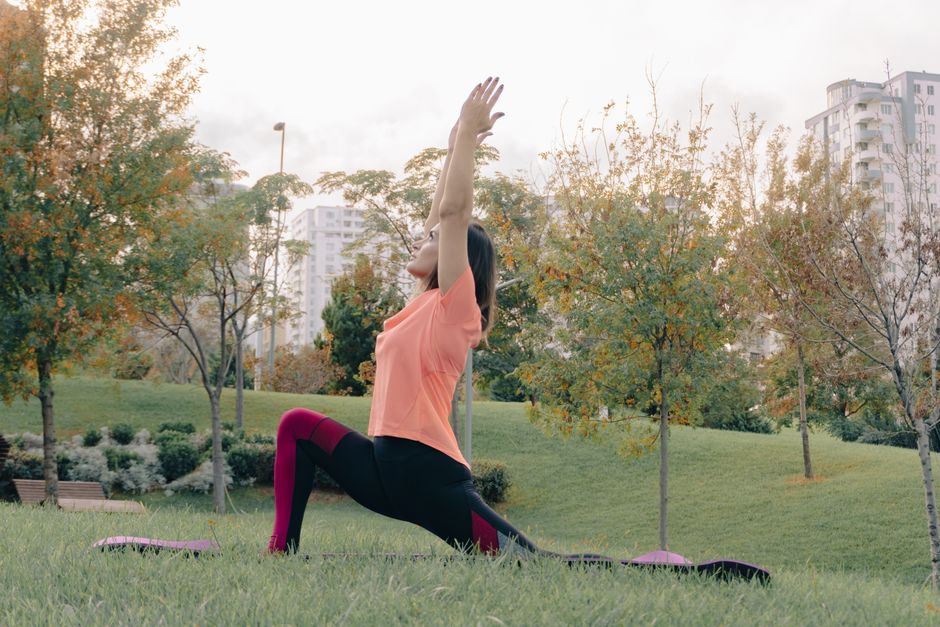
Engaging in low-intensity activities can promote circulation and help muscles recover. Activities such as walking, swimming, or yoga can keep your body moving without adding strain.
Incorporate Stretching and Massage
Stretching helps maintain flexibility and prevent stiffness. Incorporate dynamic stretches before workouts and static stretching afterward.
- Focus on stretching all major muscle groups.
- Consider a professional massage or self-massage techniques to alleviate soreness.
Tools and Techniques for Enhanced Recovery
Use of Recovery Tools
Foam rollers and massage balls are popular tools that can be used to relieve muscle tension and promote blood flow.
- Foam rolling can be done on major muscle groups for 10-15 minutes post-exercise.
- Massage balls are excellent for targeting smaller areas like the feet or shoulders.
Technology-Assisted Recovery
Technological advancements have introduced a variety of gadgets designed to aid muscle recovery, such as percussive therapy devices and infrared saunas.
- Percussive therapy devices can penetrate deep into muscle tissue, providing relief from soreness.
- Infrared saunas promote relaxation and enhance circulation, aiding in the recovery process.
Common Mistakes to Avoid
Skipping Warm-Ups and Cool-Downs
Neglecting a proper warm-up or cool-down can lead to muscle injuries and hinder your recovery efforts. Always start and end your workouts with appropriate exercises to prepare and relax your muscles.
Overtraining
While it can be tempting to push your limits, overtraining can impede recovery and increase the risk of injury. Listen to your body and take rest days seriously.
"Rest is just as important as the workout itself. Balance is key." — Nigerian athletic coach
Conclusion
Ultimately, muscle recovery is about respecting your body's natural processes and providing it with the tools it needs to repair and grow. By prioritizing rest, nutrition, and gentle movement, you create a foundation for long-term health and performance. Embrace these strategies, and you'll find yourself bouncing back from physical activities stronger and more energized than ever before.