Whether you're a fitness enthusiast, a weekend warrior, or someone who's just starting to embrace an active lifestyle, understanding the nuances of muscle recovery is crucial. In Nigeria, where the hustle and bustle of everyday life often leave little room for rest, taking time to recover properly can be a game-changer. This article will guide you through effective muscle recovery techniques, ensuring you stay fit, motivated, and ready for the challenges ahead.
Muscle recovery isn't just about resting; it's an active process that involves various strategies designed to help your body heal, build strength, and prevent injury. From traditional practices to modern insights, we will explore a blend of methods that fit seamlessly into the Nigerian lifestyle.
Let's dive into the world of muscle recovery, where science meets practicality, to enhance your fitness journey right from the comfort of your home or at your local gym.
Understanding Muscle Recovery
The Science Behind Muscle Recovery
When you exercise, especially with activities like weightlifting or high-intensity interval training, your muscles experience tiny tears. This is a natural and essential part of building strength. However, these tears need to repair themselves to become stronger and more resilient.
During recovery, your body works to repair these tiny tears in your muscle fibers. This process is called muscle protein synthesis, which helps your muscles grow and recover. Adequate recovery allows your muscles to adapt to the stress of exercise, reducing soreness and the risk of injuries.
Why Muscle Recovery Matters
Ignoring muscle recovery can lead to overtraining syndrome, characterized by persistent fatigue, decreased performance, and increased risk of injury. In Nigeria, with busy schedules and often high stress levels, it is crucial to integrate proper recovery techniques into your routine.
"Recovery is where the magic happens. Train hard, but recover harder."
By prioritizing recovery, you ensure that your muscles repair efficiently, allowing for consistent progress and maintaining your overall health and vitality.
Essential Muscle Recovery Techniques
Rest and Sleep
The simplest and most natural form of recovery is rest. Your body does most of the healing during sleep, where growth hormone production is at its peak. Aim for 7-9 hours of quality sleep per night to facilitate effective recovery.
- Establish a regular sleep schedule by going to bed and waking up at the same time daily.
- Create a relaxing bedtime routine to help signal to your body that it's time to wind down.
- Ensure your sleeping environment is comfortable, quiet, and dark to promote restful sleep.
Nutrition and Hydration
Fueling your body with the right nutrients is essential for muscle recovery. After a workout, your body needs protein to repair muscles and carbohydrates to replenish energy stores.
- Include protein-rich foods like beans, chicken, and fish in your diet.
- Consume carbohydrates such as rice, yams, or plantains to restore glycogen levels.
- Stay hydrated by drinking plenty of water throughout the day. Dehydration can slow down the recovery process.
Advanced Recovery Techniques
Active Recovery
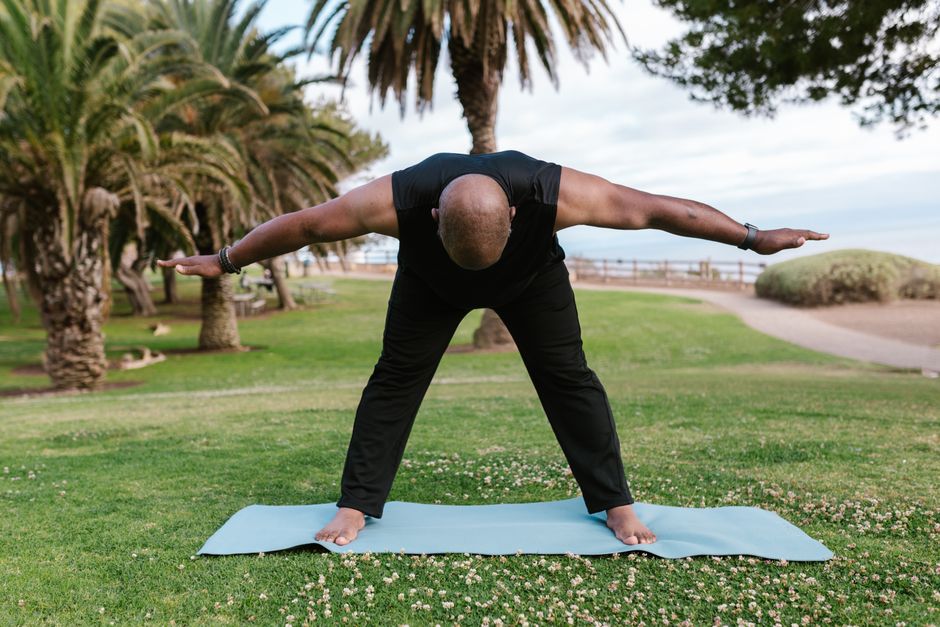
Active recovery involves engaging in low-intensity exercises, which help increase blood flow to the muscles and speed up recovery.
- Consider yoga or stretching sessions to enhance flexibility and reduce muscle stiffness.
- Take a walk or go for a leisurely swim to promote circulation without straining your muscles.
Foam Rolling and Massage
These techniques help release muscle tension and improve blood circulation, aiding in faster recovery.
- Use a foam roller on sore areas to relieve muscle tightness and improve mobility.
- Consider periodic massages from a professional to alleviate muscle knots and stress.
Incorporating Traditional Nigerian Practices
Herbal Remedies
Nigeria boasts a rich tradition of herbal medicine that can complement modern recovery techniques.
- Ginger and turmeric are known for their anti-inflammatory properties and can be incorporated into meals or taken as teas to reduce muscle soreness.
- Bitter leaf juice is another popular remedy for easing muscle pain due to its natural healing compounds.
Heat Therapy
Using heat as a recovery tool is an age-old practice that can enhance muscle relaxation and blood flow.
- Warm baths or using a hot water bottle can soothe sore muscles and relax the body.
- Consider visiting a local sauna for a more intense heat therapy session to aid in muscle recovery.
Monitoring Your Progress
Tracking Recovery
Keeping tabs on your recovery process is crucial to understanding what works for your body and making necessary adjustments.
- Maintain a fitness journal to record workouts, rest days, and recovery notes.
- Use fitness apps that offer recovery tracking features to monitor sleep, nutrition, and activity levels.
Listening to Your Body
Your body sends signals when it needs more rest. Paying attention to these signs can prevent overtraining and injuries.
- If you're experiencing persistent fatigue or soreness, consider taking an extra rest day.
- Don't ignore signs of discomfort during workouts; modify exercises as necessary to avoid strain.
Conclusion
Integrating effective muscle recovery strategies into your fitness routine is essential for achieving long-term health and performance goals. By understanding the science behind recovery, incorporating both modern and traditional techniques, and listening to your body's needs, you set yourself up for a successful fitness journey. Remember, recovery is not a luxury; it's a necessity that ensures you come back stronger and more resilient.