Whether you're a seasoned athlete or just enjoy a good workout routine, understanding the importance of muscle recovery is essential. In Nigeria, where football, basketball, and track events are incredibly popular, athletes often push their bodies to the limit. However, without proper recovery, these efforts can lead to injuries and burnout. Let's delve into some practical and culturally relevant muscle recovery tips that will help you maintain peak performance and stay in the game longer.
Why Muscle Recovery is Crucial
Muscle recovery is not just about feeling better after a workout; it's about optimizing your body's ability to grow stronger and prevent injuries. In a country like Nigeria, where the heat can often add extra strain to workouts, understanding how recovery works is even more critical.
Understanding Muscle Fatigue
After an intense session, your muscles are in desperate need of repair. This fatigue is a natural response to the stress placed on your body during exercise. Recognizing this is the first step in implementing effective recovery strategies.
- Hydration: Staying hydrated is key, especially in Nigeria's warm climate. Water aids in flushing out toxins that accumulate in muscles during exercise.
- Nutrition: Consuming protein-rich meals, such as beans and plantains, can significantly aid muscle repair.
Incorporating Rest Days
Rest days are a non-negotiable component of any effective training regimen. They provide your muscles with the time they need to repair and grow stronger.
Active vs. Passive Rest
Choosing between active and passive rest can depend on your fitness goals and personal preferences. Active rest may include light activities like walking or stretching, while passive rest involves complete downtime.
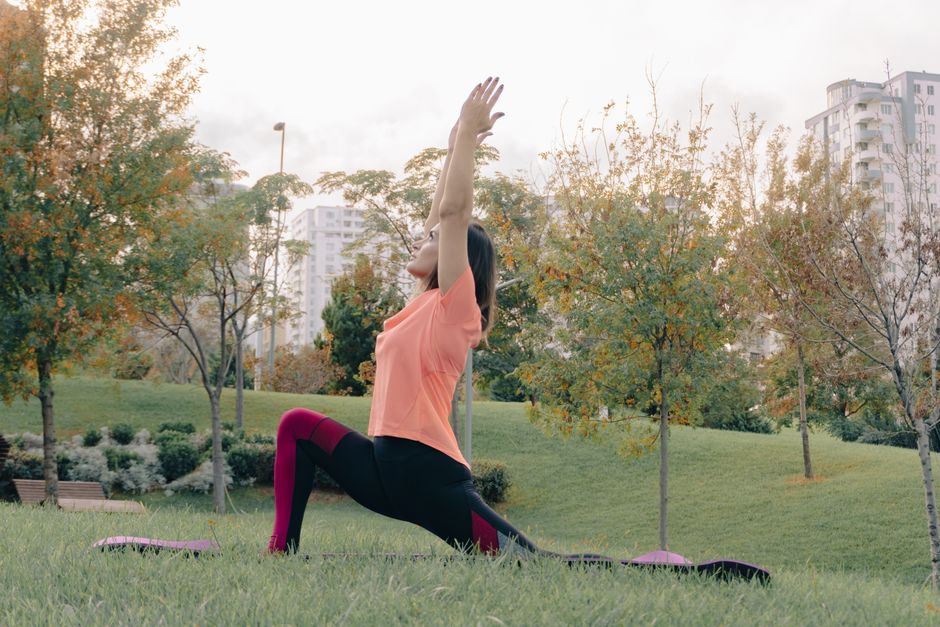
- Active Rest: Engaging in low-intensity activities such as a stroll in a local park or practicing yoga can keep your body moving without causing additional stress.
- Passive Rest: Allowing your body complete rest, perhaps enjoying a quiet afternoon with a good book.
Effective Recovery Techniques
Several techniques can enhance muscle recovery, helping you get back to your activities stronger and more resilient.
Foam Rolling
Foam rolling is an excellent way to relieve muscle tightness, soreness, and inflammation, improving your range of motion. This can be particularly beneficial after participating in rigorous sports events.
"Using a foam roller for just 10 minutes a day can significantly reduce muscle soreness and improve recovery time."
Stretching and Flexibility
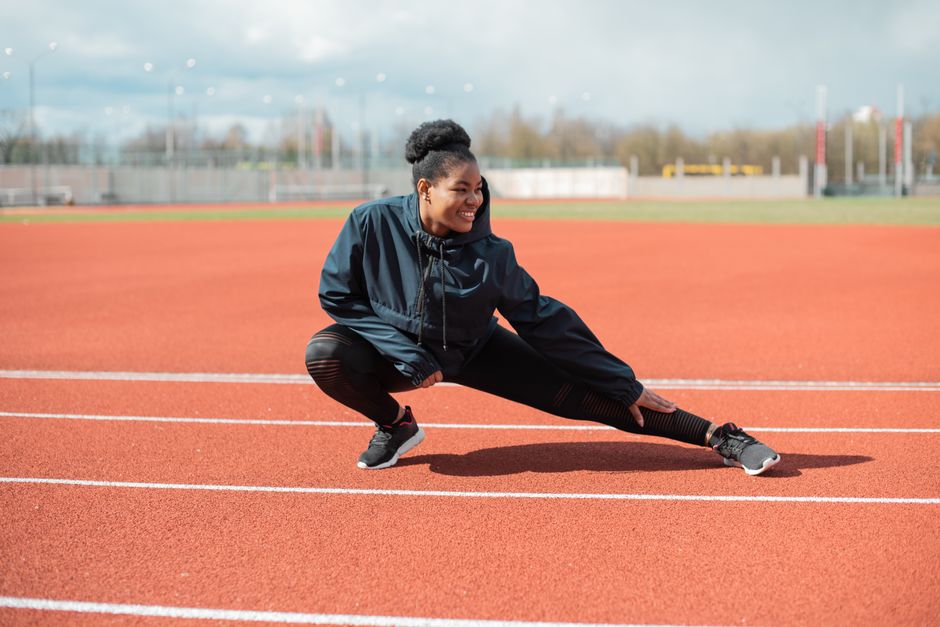
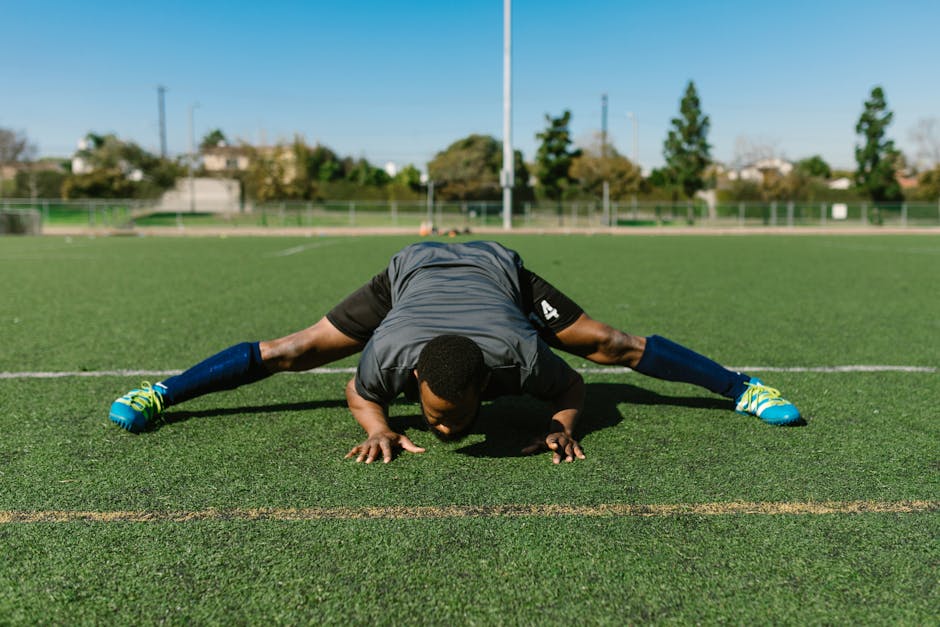
Incorporating stretching into your routine is crucial. This not only helps in preventing injuries but also improves your overall flexibility.
- Static Stretching: Holding stretches for 15-30 seconds can aid in muscle lengthening and relaxation.
- Dynamic Stretching: These involve movement-based stretches that are effective as part of your warm-up routine.
Sleep: The Ultimate Recovery Tool
Sleep is perhaps the most powerful recovery tool at your disposal. It is during sleep that the body repairs itself, builds muscle, and consolidates memory.
Improving Sleep Quality
Ensuring a quality night's sleep is paramount. Creating a restful environment is key, such as using a fan to cool your room during hot Nigerian nights.
- Routine: Going to bed and waking up at the same time daily can regulate your body's internal clock.
- Environment: Keep your sleeping area dark, cool, and quiet to promote deep sleep.
Conclusion
Building a strong, resilient body doesn't end with your workout. It extends into the recovery process, which is essential for maintaining performance and preventing injuries. As athletes in Nigeria continue to shine on both local and international stages, prioritizing muscle recovery will ensure they stay at the top of their game. Remember, recovery is personal, and what works for one person might not work for another, so it's essential to listen to your body and adjust your strategies accordingly.