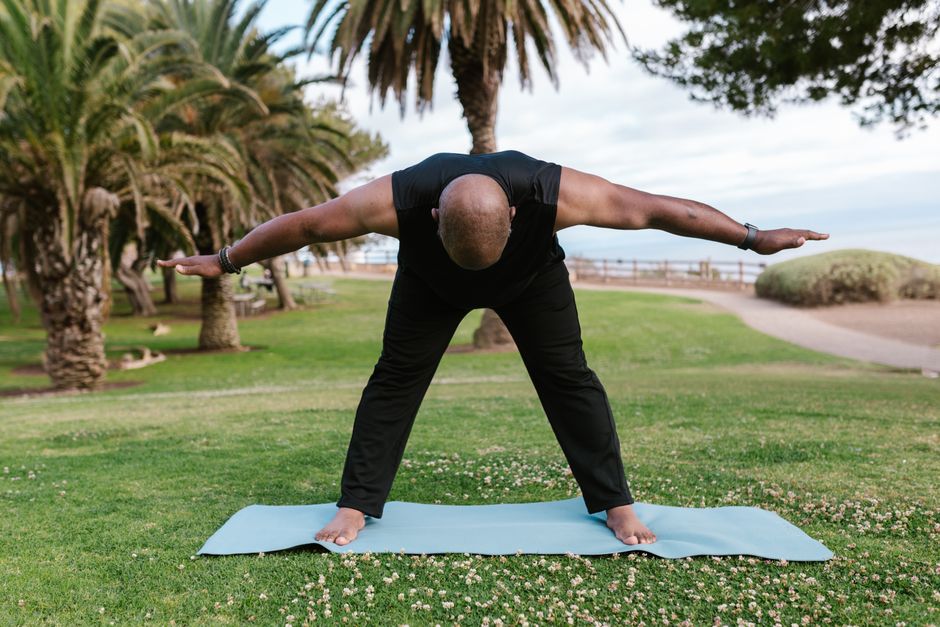
In the hustle and bustle of Nigerian life, sleep often takes a backseat to our many responsibilities. But did you know that quality sleep is crucial for muscle recovery? Whether you're an athlete or just someone trying to stay fit, your body needs rest to repair and strengthen itself. From the busy streets of Lagos to the serene landscapes of Calabar, understanding how sleep impacts your recovery can make a world of difference. Let's dive into how you can enhance your nightly rest for optimal muscle repair.
Why Sleep is Essential for Muscle Recovery
Your muscles undergo wear and tear during physical activities, whether from lifting weights or running after a BRT bus. During sleep, your body enters a recovery phase where muscle tissues are repaired and strengthened.
The Science of Sleep and Recovery
When you sleep, your body releases growth hormones that foster muscle growth and repair. This process is vital for athletes and fitness enthusiasts alike.
Stages of Sleep and Their Role
- Non-REM Sleep: Here, your body focuses on cellular repair and immune function.
- REM Sleep: This stage is crucial for cognitive recovery and overall well-being.
Common Sleep Challenges in Nigeria
Despite the importance of sleep, many Nigerians face challenges that hinder a restful night. From power outages to noise pollution, these factors can disrupt your sleep cycle.
Environmental Factors
Noisy neighborhoods or irregular electricity supply can make it difficult to maintain a consistent sleep pattern. Using earplugs or blackout curtains can help mitigate these issues.
Lifestyle Habits
Irregular work hours and late-night social activities can throw off your sleep schedule. Try setting a regular bedtime to help regulate your body clock.
Practical Sleep Strategies for Nigerians
Embracing effective sleep strategies can significantly improve your muscle recovery. Here are some tips tailored for the Nigerian context.
Create a Sleep-Inducing Environment
- Cool and Dark Room: Use light-blocking curtains and fans to create a comfortable sleep space.
- Limit Screen Time: Reduce exposure to blue light from devices at least an hour before bed.
Adopt a Consistent Sleep Routine
Going to bed and waking up at the same time each day helps regulate your body's internal clock, enhancing sleep quality.
Incorporating Nutrition for Better Sleep
What you eat can influence how well you sleep. Certain foods can promote better sleep, aiding in muscle recovery.
Foods that Promote Sleep
- Bananas: Rich in magnesium and potassium, they help relax muscles.
- Milk: Contains tryptophan, which can induce sleep.
Avoiding Sleep Inhibitors
Steer clear of caffeine and heavy meals before bed to avoid sleep disturbances.
"A good laugh and a long sleep are the best cures in the doctor's book." — Irish Proverb
Final Thoughts
Prioritizing sleep is not just essential but transformative for your muscle recovery journey. By understanding the unique challenges faced in Nigeria and implementing practical strategies, you can enhance your recovery process significantly. Remember, a rested body is a strong body. Sweet dreams and happy recovery!