When it comes to achieving optimal health and reaching your fitness goals, muscle recovery plays a pivotal role. Whether you're an athlete, a fitness enthusiast, or someone looking to maintain a healthy lifestyle, understanding the importance of muscle recovery can be a game changer. In Nigeria, where our bustling cities and vibrant lifestyles keep us on our toes, taking the time to properly recover can seem challenging but is essential for long-term health and performance.
Imagine returning from a vigorous workout session at the local gym in Lagos or after a long day of bustling through the streets of Abuja, only to find yourself sore and fatigued. This is where muscle recovery comes in, helping your body repair and strengthen, ultimately leading to better performance and reduced risk of injury. In this guide, we'll delve into practical strategies that are natural and effective, tailored to fit the Nigerian lifestyle.
From traditional practices rooted in our culture to modern techniques, there are several ways you can boost your muscle recovery journey. Let's explore these strategies and see how they can seamlessly integrate into your daily life, ensuring you remain active and healthy.
Understanding Muscle Recovery
What Is Muscle Recovery?
Muscle recovery refers to the process your body undergoes to repair muscle fibers that get damaged during exercise. This involves a range of biological processes that replenish energy stores and allow muscles to grow stronger.
"Recovery is the bridge between your current state of fitness and where you want to be." - Fitness Expert
Why Is Muscle Recovery Important?
Muscle recovery is crucial as it helps reduce fatigue, prevents injury, and improves future performance. Without adequate recovery, you may experience prolonged soreness, decreased performance, and even injury.
In Nigeria, where everyday activities often involve a mix of physical exertion, be it from a busy market day or cultural celebrations, ensuring proper recovery is essential to maintain energy levels and overall health.
Nutrition for Muscle Recovery
Protein: The Building Block
Protein plays a critical role in muscle recovery. Consuming protein after a workout helps repair muscle tissues and encourages growth. Foods rich in protein, such as beans, fish, and chicken, are staples in Nigerian cuisine and can be easily incorporated into meals.
- Beans and rice, a classic Nigerian dish, provides both protein and essential carbohydrates.
- Grilled fish, particularly tilapia, is another excellent source of protein.
Hydration: The Unsung Hero
Staying hydrated is key to muscle recovery. Water helps transport nutrients to cells and remove waste products. In Nigeria's hot climate, it's easy to become dehydrated, so it’s crucial to drink plenty of fluids throughout the day.
Consider enjoying a refreshing coconut water or a glass of zobo, which are not only hydrating but also provide electrolytes.
Rest and Sleep
The Power of Quality Sleep
Sleep is one of the most effective ways to recover muscles. During sleep, your body produces growth hormones that aid in muscle repair. Aim for 7-9 hours of quality sleep each night.
Creating a calming bedtime routine, like listening to soothing Afrobeat melodies or reading a novel by Chimamanda Ngozi Adichie, can improve sleep quality.
Active Recovery
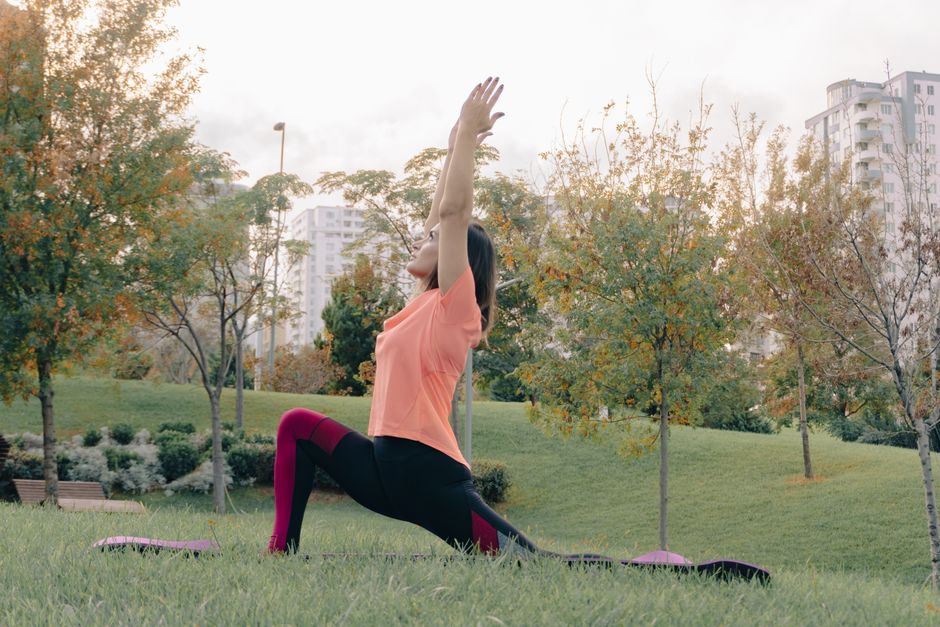
Active recovery involves engaging in low-intensity exercises, such as walking or yoga, the day after a strenuous workout. These activities enhance blood flow and help reduce muscle soreness.
Consider taking a leisurely walk around the scenic Lekki Conservation Centre or join a local yoga class to facilitate recovery.
Traditional and Modern Techniques
Massage Therapy
Massage therapy is a traditional method that aids in muscle recovery by reducing tension and improving circulation. In Nigeria, you can find skilled therapists who offer massage services incorporating traditional techniques.
Foam Rolling and Stretching
Foam rolling is a modern technique that can be done at home. It helps relieve muscle tightness and improve flexibility. Following up with stretching can further enhance muscle recovery.
- Use a foam roller on areas like your calves, quads, and back after exercise.
- Incorporate dynamic stretches before workouts and static stretches after.
Stress Management
Mindfulness and Meditation
Stress can negatively impact muscle recovery by increasing inflammation and muscle tension. Practicing mindfulness and meditation can help manage stress levels.
Consider incorporating short meditation sessions into your daily routine, possibly using apps that offer guided meditations tailored to beginners.
Conclusion
Muscle recovery is an essential component of any fitness regime, crucial for holistic health and longevity. By understanding and implementing these strategies, you can ensure that your muscles are well cared for, enabling you to lead an active and healthy life in Nigeria's vibrant and bustling environment.
Remember, recovery is not just a phase but a continuous process. With proper nutrition, rest, and traditional and modern techniques, you can enhance your muscle recovery naturally and effectively. Embrace these practices as part of your lifestyle, and watch how your body responds with strength, vitality, and resilience.