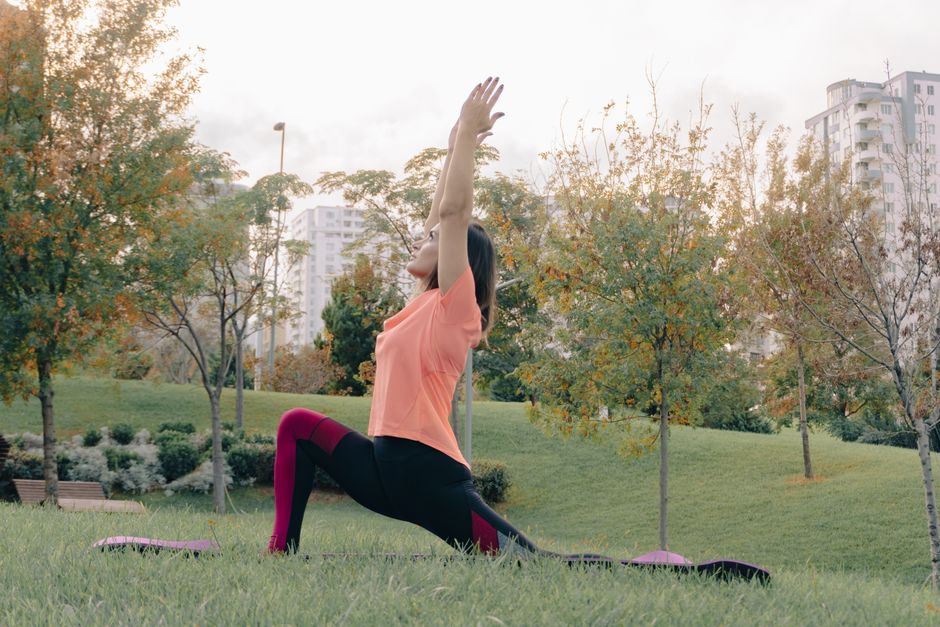
After a rigorous workout session, feeling sore is almost inevitable. Those aching muscles are not just complaining — they are in the process of recovering and building strength. In Nigeria, where an active lifestyle is increasingly popular, understanding effective muscle recovery strategies can significantly enhance your fitness journey. Whether you're a gym enthusiast in Lagos or simply love doing home workouts in Abuja, knowing how to aid your body's recovery is crucial.
In this article, we'll dive into practical techniques for boosting muscle recovery, with tips that are especially relevant for readers in Nigeria. We'll explore everything from nutrition to lifestyle hacks, helping you maximize your workout benefits while minimizing downtime.
The Science Behind Muscle Recovery
Muscle recovery is an essential part of any fitness routine. It refers to the process your body undergoes to repair the tiny tears in muscle fibers caused by exercise. This repair process is what ultimately leads to stronger muscles.
Why Recovery Matters
Without proper recovery, the body can become overworked, leading to fatigue, decreased performance, and even injury. Scheduling time for muscle recovery is as crucial as the exercise itself.
"Muscle recovery is fundamental because it helps prevent injuries and improves overall health," says Dr. Eze, a Lagos-based physiotherapist.
How Muscles Heal
During recovery, the body floods the muscles with nutrients and proteins to repair the damaged fibers. This is also when muscles adapt to better handle similar stress in the future, thereby growing stronger.
Nutritional Strategies for Optimal Recovery
Adequate nutrition plays a pivotal role in muscle recovery. What you eat can significantly impact how quickly your muscles recover post-workout.
Protein Intake
Protein is the building block of muscles. Consuming protein-rich foods like grilled chicken, fish, and beans can accelerate muscle repair.
- Include sources like eggs, dairy, and lean meats in your diet.
- Consider protein shakes for a quick post-workout boost.
- Aim for a balanced diet that provides all essential amino acids.
Hydration and Electrolytes
Staying hydrated is essential for recovery. Water helps transport nutrients throughout the body and flushes out toxins.
- Drink plenty of water before, during, and after your workouts.
- Include natural sources of electrolytes, like coconut water.
- Pay attention to your body's thirst signals.
Incorporating Rest and Recovery Days
Just as important as active recovery, rest days allow your body to repair and replenish energy stores.
Scheduling Rest Days
Balancing exercise and rest is key. Aim for at least one full rest day per week.
- Listen to your body — if you're feeling fatigued, it's time to take a break.
- On rest days, engage in light activities like walking or stretching.
- Ensure quality sleep, as it is when most recovery occurs.
Importance of Sleep
Sleep is the body's natural recovery process. During sleep, growth hormone levels peak, crucial for muscle repair.
"A good night's sleep is a powerful recovery tool," advises Amaka, a fitness coach from Abuja.
Active Recovery Techniques
Active recovery involves low-intensity exercises that help keep blood flowing to muscles, speeding up the recovery process.
Yoga and Stretching
Incorporating yoga into your routine can improve flexibility and reduce muscle tightness.
- Practice yoga poses tailored for muscle relaxation.
- Stretching post-workout can prevent stiffness and improve flexibility.
- Consider guided yoga classes available in Nigerian cities.
Light Cardio
Engaging in light cardio like walking or cycling helps maintain cardiovascular health while promoting recovery.
- Consider a brisk walk in your neighborhood park.
- Use cycling as a gentle, joint-friendly activity.
Using Recovery Tools and Technologies
Various tools can aid in muscle recovery, making the process more efficient and less painful.
Foam Rollers and Massage
Foam rolling helps release muscle knots and improve circulation.
- Incorporate foam rolling exercises after workouts.
- Consider a professional massage for deeper muscle relaxation.
Cold Therapy
Cold showers or ice baths can reduce inflammation and speed up recovery.
- Try alternating between hot and cold water for an invigorating experience.
- Use ice packs on sore muscles to decrease swelling.
Conclusion
Muscle recovery is an integral part of achieving your fitness goals. By understanding and implementing these strategies, you can enhance your recovery process and see better results from your workouts. Whether it's through nutrition, rest, or active recovery techniques, taking care of your muscles will lead to a more sustainable and enjoyable fitness journey. As you incorporate these practices, remember that every body is different — listen to yours and adjust accordingly. Embrace the journey to becoming healthier and stronger.