In the bustling cities and quiet villages across Nigeria, the rhythm of life is vividly lived out through the sounds of conversations, bustling traffic, and the enthusiastic energy of community activities. For many Nigerians, this dynamic lifestyle is complemented by a growing interest in health and fitness. With more people engaging in physical activities—from traditional dances under the African sky to modern workouts in local gyms—muscle recovery has become a topic of interest and necessity. How do we effectively recover our muscles to maintain a healthy and active lifestyle? This article delves into practical and effective muscle recovery strategies, tailored for Nigerian readers.
Whether you're a fitness enthusiast who regularly visits the gym in Lagos or someone who enjoys jogging along the picturesque beaches of Calabar, understanding muscle recovery can significantly impact your fitness journey. By incorporating simple yet effective strategies, you can enhance your performance, reduce the risk of injury, and stay committed to your health goals. Let's explore these strategies and how they can be seamlessly integrated into your daily routine.
Understanding Muscle Recovery
Muscle recovery is a critical aspect of any fitness regimen. It's during this recovery phase that your muscles repair and grow stronger. Understanding the science behind muscle recovery can empower you to make informed decisions about your fitness routine.
The Physiology of Muscle Recovery
When you engage in physical activities, especially strength training, your muscle fibers experience micro-tears. This might sound alarming, but it's entirely normal and forms the basis for muscle growth. Once these fibers tear, the body initiates a repair process.
During repair, your body increases protein synthesis, effectively rebuilding the muscles to be stronger and more resilient. This adaptation process is why rest and recovery are as crucial as the exercise itself.
Signs Your Muscles Need Recovery
Listening to your body is key. Common signs that your muscles need recovery include prolonged soreness, a decrease in performance, and persistent fatigue.
- Muscle Soreness: Often felt as a dull ache post-exercise.
- Reduced Performance: Struggling to lift usual weights or run standard distances.
- Fatigue: Feeling constantly tired, even after a good night's rest.
Key Takeaway: Recognizing these signs early can prevent overtraining and potential injuries.
Essential Techniques for Muscle Recovery
Incorporating effective muscle recovery techniques into your routine ensures that you remain at the top of your game. Here are some proven strategies that resonate well with Nigerian lifestyles.
Nourish Your Muscles
Diet plays a pivotal role in muscle recovery. Consuming the right nutrients post-exercise can accelerate the recovery process.
- Protein Intake: Ensure you consume enough protein, essential for muscle repair. Foods like beans, fish, and chicken are excellent sources.
- Hydration: Water aids in transporting nutrients to your muscles and flushing out toxins. Ensure you're adequately hydrated, especially in Nigeria's warmer climates.
- Balanced Diet: Incorporate a mix of carbohydrates, proteins, and healthy fats. Don't forget traditional Nigerian dishes like jollof rice and egusi soup, which can be nutritious if prepared healthily.
Rest and Sleep
Rest is vital for effective muscle recovery. It's during sleep that most muscle repair processes occur.
- Quality Sleep: Aim for 7-9 hours of sleep each night. Create a conducive sleep environment by ensuring your room is dark, quiet, and cool.
- Active Recovery: Incorporate rest days into your week. Engage in low-intensity activities like walking or stretching to promote circulation without overtaxing your muscles.
Incorporate Stretching and Yoga
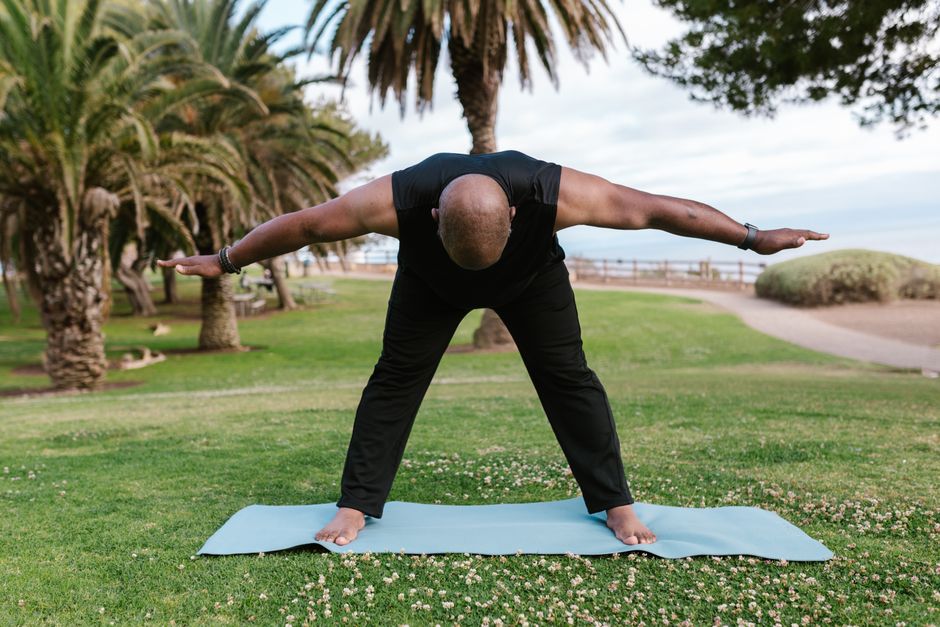
Stretching and yoga not only increase flexibility but also promote muscle recovery by improving blood flow and reducing muscle tension.
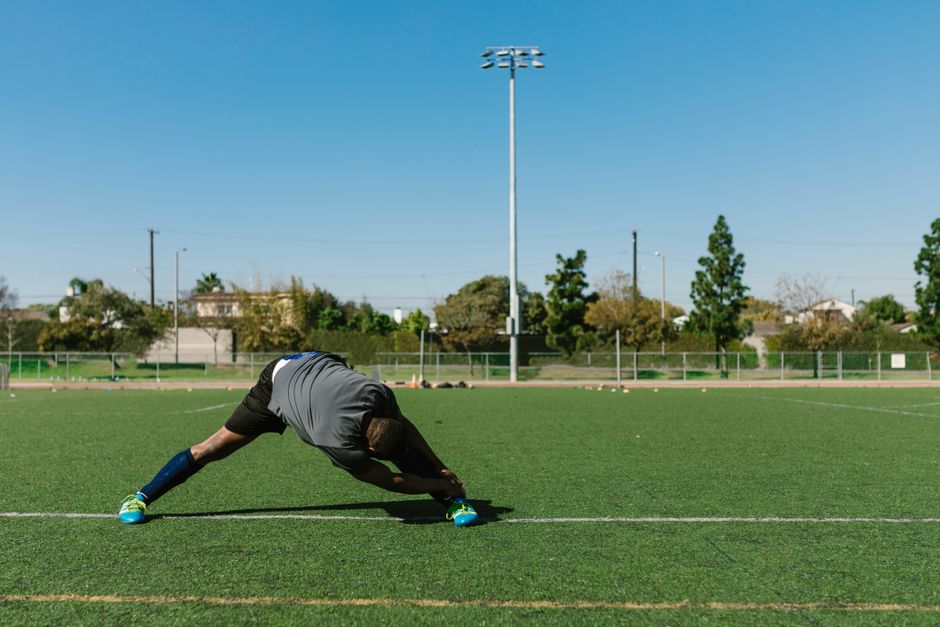
- Dynamic Stretching: Perform dynamic stretches before workouts to prepare your muscles.
- Static Stretching and Yoga: Engage in static stretches and yoga post-workout to aid in relaxation and recovery. Consider joining a local yoga class to learn new techniques.
Expert Tip: Yoga practices like Vinyasa can be particularly beneficial in connecting breath with movement, aiding in both physical and mental recovery.
Leveraging Technology for Recovery
With the rise of technology, innovative solutions have emerged to aid muscle recovery. Utilizing these can enhance your recovery routine.
Wearable Devices
Wearables are becoming popular in Nigeria, offering insights into your physical activity and recovery. Devices like fitness trackers monitor your heart rate and sleep patterns, providing data to optimize your recovery.
Recovery Apps
Several apps guide you through recovery techniques, offering personalized stretching routines and hydration reminders, making it easier to stick to a recovery plan.
Community and Support
In Nigeria, community plays a significant role in lifestyle choices. Leveraging community support can enhance your recovery journey.
Join Fitness Groups
Participating in local fitness groups or online communities can provide motivation and shared knowledge about recovery strategies.
Consult Professionals
Consulting with fitness trainers or physiotherapists familiar with local needs can provide personalized recovery plans that suit your lifestyle.
Conclusion
Muscle recovery is more than just a buzzword; it's a crucial component of a healthy and sustainable fitness journey. By understanding the science behind muscle recovery and implementing these practical strategies, you can enhance your physical performance while reducing the risk of injuries. Whether you're incorporating traditional Nigerian diets or modern technological tools, the path to effective muscle recovery is accessible and achievable. Remember, recovery is not just about resting; it's about actively enhancing your body's ability to heal and become stronger.