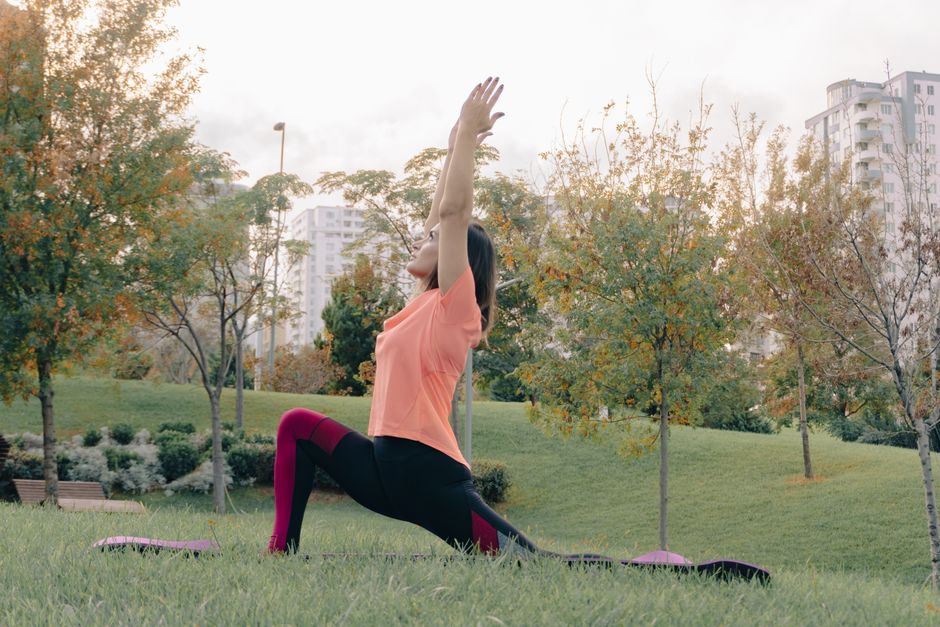
In the bustling cities and serene villages of Nigeria, the spirit of activity is alive and kicking. Whether you're hitting the gym in Lagos, running on the beaches of Calabar, or simply engaging in a home workout routine, effective muscle recovery is crucial for sustained performance. The good news is, enhancing your muscle recovery doesn't require expensive gadgets or complex routines. Let's dive into practical strategies that cater specifically to the Nigerian lifestyle, ensuring your muscles get the rest they deserve.
Understanding Muscle Recovery
Before jumping into techniques, it's essential to understand what muscle recovery entails. When you exercise, especially during intense workouts, your muscle fibers experience tiny tears. While this might sound alarming, it's a natural process that leads to muscle growth and strengthening. Recovery is the period during which your body repairs these fibers, replenishing energy stores and preparing you for the next workout session.
The Science Behind Muscle Recovery
Muscle recovery involves several biological processes, including protein synthesis, inflammation reduction, and circulation improvement. Your body needs time and resources, such as nutrients and oxygen, to complete these processes efficiently.
"Recovery isn't just about rest; it's about providing your body with the right tools to rebuild stronger." - Fitness Expert, Nneka Adeyemi
Why it Matters
Proper recovery prevents overtraining syndrome, reduces the risk of injuries, and enhances overall performance. Moreover, it contributes to mental well-being, reducing fatigue and improving focus.
Essential Techniques for Muscle Recovery
Hydration is Key
Our bodies thrive on water, and muscle recovery is no exception. Staying hydrated helps transport nutrients to your muscles, aids in digestion, and regulates body temperature. In Nigeria's warm climate, this becomes even more critical.
- Drink at least 2-3 liters of water daily.
- Incorporate hydrating foods like watermelon and oranges into your diet.
Nutrition for Recovery
Your muscles need fuel to repair and grow. Incorporating a balanced diet rich in proteins, carbohydrates, and healthy fats can significantly enhance recovery.
- Include protein sources like beans, fish, and chicken in your meals.
- Whole grains and vegetables provide the necessary carbohydrates and fibers.
Implementing Restorative Practices
Importance of Sleep
Sleep is perhaps the most powerful recovery tool. It provides the energy required for physical and mental rejuvenation.
"A good night's sleep acts as the ultimate reset button for your muscles." - Dr. Chijioke Eze, Sleep Specialist
Active Recovery Techniques
Active recovery involves low-intensity exercises that promote circulation without straining the muscles. Activities such as walking, cycling, or yoga can be highly beneficial.
- Engage in 20-30 minutes of light exercises on rest days.
- Consider joining a local yoga class to enhance flexibility and reduce stress.
Traditional Nigerian Remedies and Practices
Nigeria boasts a rich cultural heritage, including traditional remedies that aid in recovery. Let's explore some time-tested practices.
Herbal Teas and Remedies
Herbal teas made from moringa, ginger, and hibiscus, known locally as zobo, are not only refreshing but also packed with antioxidants and anti-inflammatory properties.
- Drink a cup of ginger tea post-workout to reduce muscle soreness.
- Enjoy a chilled glass of zobo as a healthy, hydrating beverage.
Massage and Traditional Healing
Massage therapy is beneficial for relieving muscle tension and improving circulation. In various Nigerian cultures, traditional massage techniques have been passed down through generations.
- Book a session with a trained masseur familiar with traditional techniques.
- Consider using shea butter for self-massage; it's nourishing and easily available.
Final Thoughts
Incorporating these muscle recovery strategies into your routine can dramatically enhance your fitness journey. Remember, the key is consistency and listening to your body. As you embrace these practices, you'll find your performance improving, and your body thanking you for the care. Whether you're an athlete training for the next marathon or someone enjoying a regular fitness routine, these techniques will ensure you stay on top of your game, ready to tackle any challenge that comes your way.