In the bustling cities and serene landscapes of Nigeria, maintaining a balanced, healthy lifestyle can sometimes feel like climbing Olumo Rock. With our busy schedules and endless commitments, it's essential to understand the importance of muscle recovery. Whether you're a fitness enthusiast in Lagos or someone trying to keep fit in a small town, knowing how to recover effectively after exercise is crucial for your overall well-being. Why is muscle recovery so important? It aids in preventing injuries, enhances performance, and ensures that you can maintain a consistent fitness regimen.
Muscle recovery doesn't just happen when you sleep at night; it requires a combination of strategies throughout your day. This guide will explore various methods to boost muscle recovery, ensuring you're always at your best. We'll look at nutrition, rest, hydration, and the benefits of practices like stretching and yoga. So, let's embark on this journey together, and discover how you can optimize your recovery routine to suit your unique lifestyle.
The Science Behind Muscle Recovery
Understanding the science of muscle recovery can demystify the process and highlight its importance. When you engage in physical activities, especially strenuous exercises, your muscles undergo stress and minor tears. This is completely normal and is part of how muscles grow and strengthen.
Role of Protein Synthesis
Protein synthesis is the process that repairs and rebuilds muscle fibers after exercise. Consuming protein-rich foods is vital as they provide the necessary building blocks for this process.
Importance of Rest and Sleep
Your body performs most of its repair work during sleep, as this is when growth hormones are released. Ensuring you get enough restful sleep is crucial for muscle recovery.
- Try to get at least 7-9 hours of sleep each night.
- Maintain a regular sleep schedule, even on weekends.
- Create a restful environment by minimizing noise and light.
"Sleep is the golden chain that ties health and our bodies together." — Thomas Dekker
Nutrition: Fueling Your Recovery
Nutrition plays a central role in muscle recovery. Eating the right foods can speed up recovery and improve your overall performance.
Protein-Rich Foods
Incorporate Nigerian staples that are rich in protein, such as beans, fish, and chicken. These foods provide essential amino acids needed for muscle repair.
- Egusi soup with chicken or fish for a protein boost.
- Beans and plantain for a post-workout meal.
- Snacks like boiled eggs or yogurt.
Hydration is Key
Staying hydrated is crucial for flushing out toxins and aiding in muscle recovery. Water helps transport nutrients to cells, making it an essential component of your recovery diet.
"Water is the driving force of all nature." — Leonardo da Vinci
Incorporating Stretching and Yoga
Stretching and yoga are excellent practices for improving flexibility and reducing muscle tension.
Benefits of Stretching
Regular stretching can prevent injuries and improve your range of motion. Consider starting your day with a few simple stretches to kickstart your recovery.
Yoga for Recovery
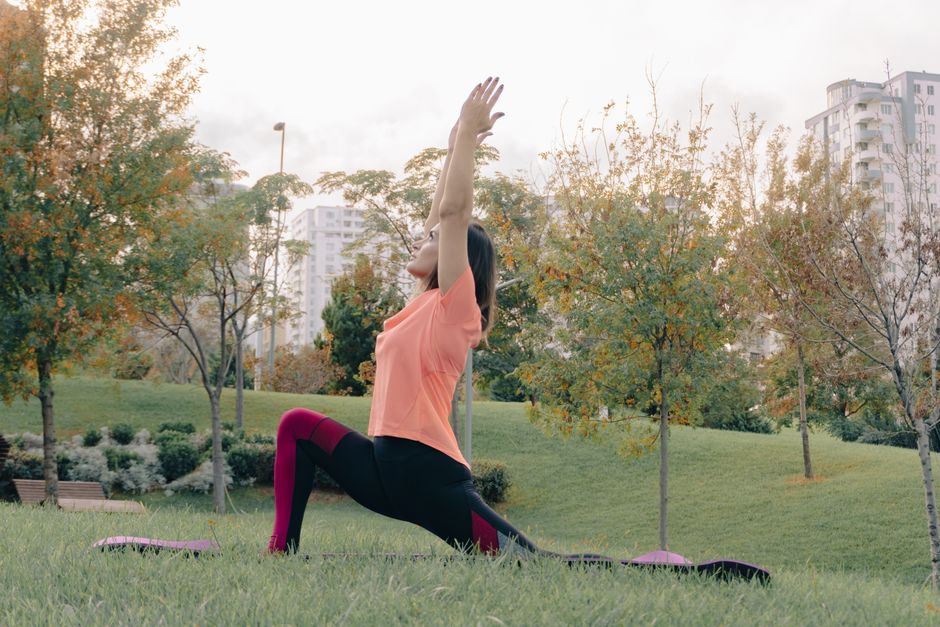
Yoga combines physical postures with breathing exercises, promoting relaxation and muscle recovery. It’s a practice that can be done anywhere, making it suitable for any lifestyle.
- Try postures like the downward dog and child’s pose for relaxation.
- Incorporate deep breathing to enhance the recovery process.
- Join a local yoga class or follow online tutorials.
Rest Days: Why You Shouldn't Skip Them
Rest days are as important as your workout days. They give your muscles the time they need to repair and grow stronger.
Understanding the Importance of Rest Days
Rest days help prevent overtraining, which can lead to fatigue and injuries. Use this time to listen to your body and address any aches or pains.
Active Recovery Options
On rest days, engage in light activities like walking, swimming, or a gentle yoga session. These activities keep your body moving without putting too much strain on your muscles.
"The harder you train, the more recovery you require." — Dr. Jeff Banas
Final Thoughts
Optimizing muscle recovery is a journey that involves understanding your body and its needs. By incorporating proper nutrition, hydration, rest, and practices like stretching and yoga into your routine, you can enhance your recovery process significantly. Remember, every step you take towards recovery is a step towards achieving your fitness goals. Whether you're a busy professional in Abuja or a student in Ibadan, these strategies can be adapted to fit your lifestyle. Listen to your body, give it the care it deserves, and watch your performance improve over time.