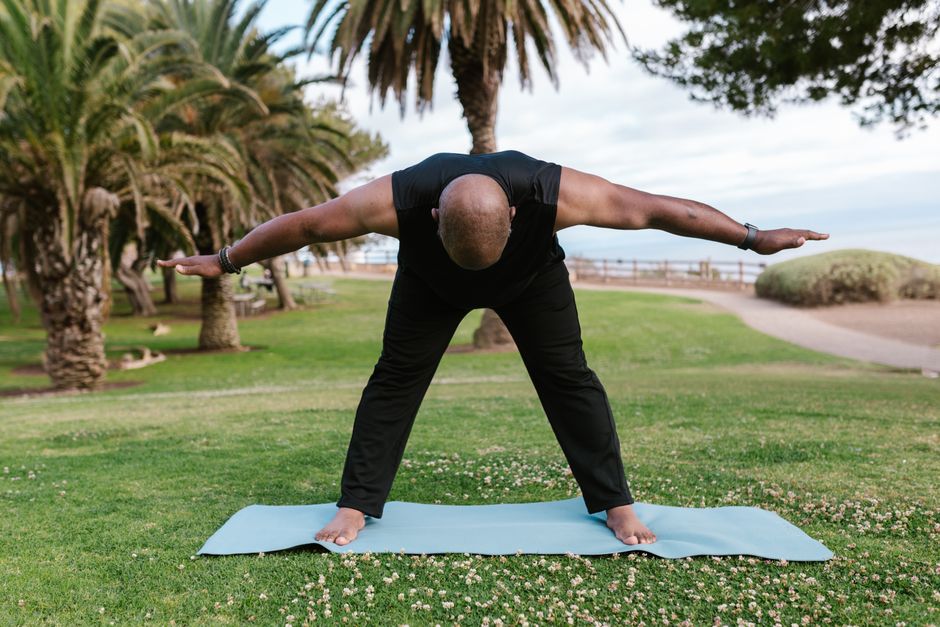
Have you ever woken up the day after a workout feeling like your muscles have been tied into knots? You're not alone. Many Nigerians, especially those who are just beginning their fitness journey, often find muscle soreness a formidable adversary. But what if I told you that the secret to muscle recovery might be right under your nose? Or perhaps, on your yoga mat?
Stretching and yoga are time-tested methods, not only for enhancing flexibility but also for promoting faster muscle recovery. Whether you're a busy Lagos executive or a student juggling coursework and exercise, incorporating these practices into your daily routine can make a world of difference.
Let's dive into how these practices can rejuvenate your muscles, improve your well-being, and why they're especially effective for our unique Nigerian lifestyle.
The Science Behind Muscle Recovery
Understanding Muscle Soreness
After a strenuous workout, you might experience delayed onset muscle soreness (DOMS). This is your body's natural response to unaccustomed exertion and involves microscopic tears in your muscle fibers. While this might sound alarming, it's actually a sign that your muscles are adapting and growing stronger.
The Role of Blood Flow
One of the primary goals of recovery is to increase blood flow to the muscles. Improved circulation helps deliver essential nutrients, oxygen, and hormones necessary for muscle repair. Stretching and yoga can significantly enhance this blood flow, aiding recovery.
Stretching: The Unsung Hero of Recovery
Dynamic vs. Static Stretching
Dynamic stretching involves moving parts of your body through a full range of motion, preparing your muscles for activity. Think of leg swings or arm circles. On the other hand, static stretching involves holding a stretch for a period of time, often at the end of a workout.
Benefits of Stretching
- Increases Flexibility: Regular stretching improves your range of motion, reducing the risk of injuries.
- Enhances Performance: Flexible muscles use less energy, improving your overall performance.
- Reduces Muscle Tension: Stretching alleviates the build-up of tension and improves muscle relaxation.
"Stretching isn't just a cool-down exercise; it's a crucial component of muscle recovery and injury prevention."
Yoga: A Holistic Approach to Recovery
Key Yoga Poses for Recovery
Certain yoga poses are particularly effective for muscle recovery. Some of these include:
- Downward Dog: Stretches the entire body, focusing on the shoulders and hamstrings.
- Child's Pose: Offers a gentle stretch for the back, hips, and thighs.
- Pigeon Pose: Targets hip flexors and glutes, which can store tension.
The Mind-Body Connection
Yoga not only helps in physical recovery but also enhances mental well-being. The practice encourages mindfulness and stress relief, crucial elements in overall recovery.
Integrating Stretching and Yoga into Your Routine
Building a Balanced Routine
Incorporate stretching and yoga into your weekly routine. Aim for at least 10-15 minutes of stretching post-workout and a 30-minute yoga session twice a week.
Finding the Right Time and Place
With Nigeria's bustling cities, finding time might seem challenging. However, consider early mornings or evenings when the city is quieter, or perhaps during your lunch break in a quiet park spot.
Common Mistakes and How to Avoid Them
Avoiding Overstretching
Overstretching can lead to injuries. Always listen to your body and avoid pushing beyond your limits.
Neglecting Certain Muscle Groups
Ensure a balanced routine by targeting all major muscle groups. Neglecting certain areas might lead to imbalances and injuries.
Conclusion
Incorporating stretching and yoga into your routine can transform your fitness journey. These practices not only aid in recovery but also enhance performance, flexibility, and mental well-being. For Nigerians facing the hustle and bustle of daily life, these techniques offer a serene escape and a rejuvenating experience. So, roll out your mat and step into a world where your muscles thank you every day.