We all know the feeling of waking up with tight muscles and the struggle of getting through a day with soreness slowing you down. Whether you're an athlete, a weekend warrior, or simply navigating daily life, stretching is a crucial practice that can aid in muscle recovery and injury prevention. In the bustling life of a Nigerian, with its vibrant culture and dynamic pace, finding time to incorporate effective stretching techniques can make a significant difference to your overall health and well-being.
Have you ever pondered why stretching feels so good after you've been sitting in Lagos traffic for hours? This isn't just a coincidence; your body craves the release and repair that comes from properly stretching your muscles. Let's delve into some practical and effective stretching techniques that not only enhance muscle recovery but also adapt well to the Nigerian lifestyle.
Understanding the Importance of Stretching
Why Stretching Matters
Stretching plays a vital role in maintaining flexibility and range of motion in the joints. This is particularly important in preventing injuries and enhancing performance in everyday activities and sports.
“Stretching is not just for athletes; it’s for anyone who wants to improve their quality of life and reduce the risks of injury.”
The Science Behind Muscle Recovery
During physical activity, muscles undergo stress and minor tears. Stretching helps in facilitating the repair process by improving blood circulation, which delivers essential nutrients to muscles.
- Increases blood flow and oxygenation
- Reduces muscle tension and soreness
- Improves flexibility and mobility
Practical Stretching Techniques
Dynamic Stretching for Pre-Activity
Dynamic stretching involves active movements that help warm up your muscles and prepare your body for physical activity. This is particularly useful before engaging in sports or a workout.
Some examples include:
- Arm circles
- Leg swings
- Torso twists
Static Stretching for Post-Activity
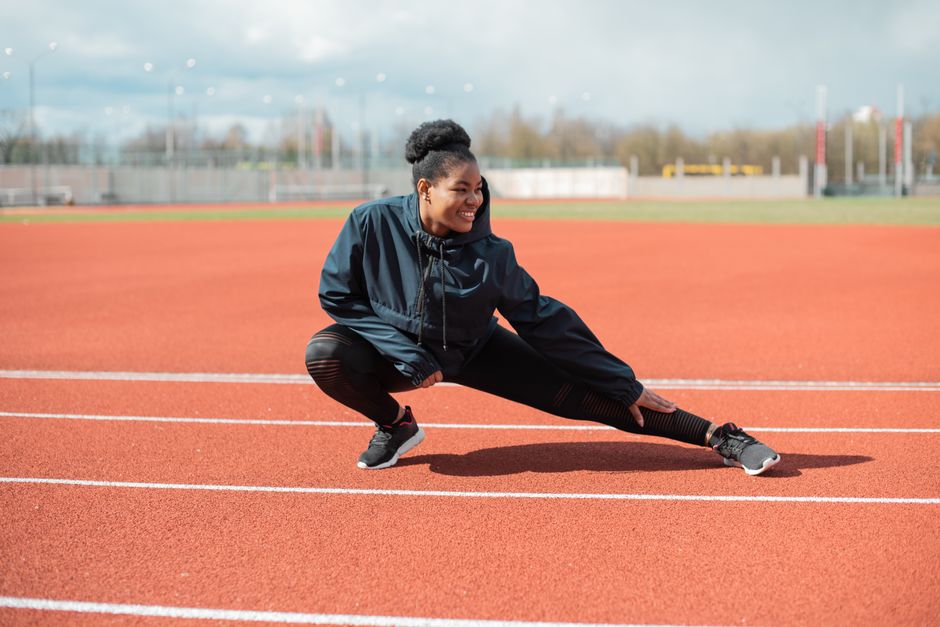
After your workout or physical activity, static stretching helps to relax the muscles and is crucial for recovery.
Consider these stretches:
- Hamstring stretch
- Quadriceps stretch
- Lower back stretch
Incorporating Stretching into Daily Routine
Stretching at the Office
For many Nigerians, work involves long hours at a desk or standing in a shop. Simple stretches can be done at your workstation to prevent stiffness.
- Seated spinal twist
- Neck stretches
- Wrist and finger stretches
Stretching at Home
Incorporating a stretching routine at home can be a relaxing way to unwind after a busy day. It doesn’t require much space or equipment, making it ideal for any living situation.
An evening stretching routine can help improve sleep quality by relaxing the body and reducing stress.
Stretching Precautions and Tips
Common Mistakes to Avoid
Stretching improperly can lead to injuries rather than prevent them. Here are some common mistakes and how to avoid them:
- Never stretch to the point of pain
- Avoid bouncing movements
- Short, rapid stretches can harm muscles
Listening to Your Body
Always be mindful of how your body feels during stretching. If you experience sharp pain, it's a signal to stop and consult a healthcare professional.
Conclusion
Integrating effective stretching techniques into your daily routine can significantly enhance muscle recovery and prevent injuries. Whether you're in the bustling streets of Lagos or the tranquil surroundings of Calabar, you can find ways to make stretching a natural part of your life. Remember, the key is consistency and mindfulness. By taking the time to stretch properly, you're investing in your health and well-being.