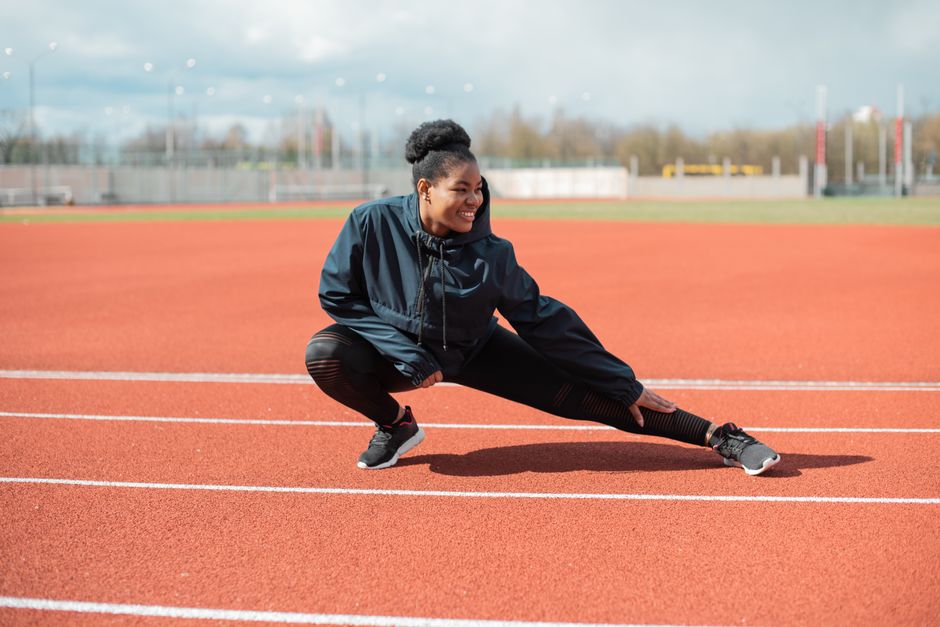
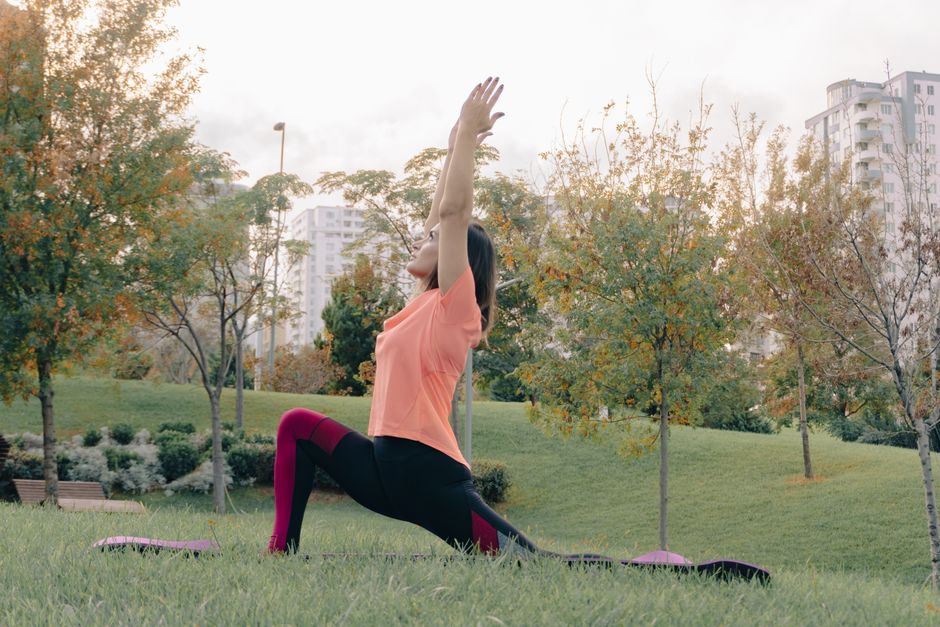
In the bustling streets of Lagos, amidst the daily hustle of life, taking time for personal health and recovery is often overlooked. Yet, the benefits of incorporating effective stretching techniques into your routine cannot be overstated. Whether you are an avid runner tackling the tracks of Teslim Balogun Stadium or simply someone navigating the energetic hustle and bustle of Nigerian life, stretching is a crucial component of muscle recovery. This article will delve into practical stretching methods, helping you enhance recovery and boost flexibility.
Stretching is not merely about flexibility; it plays a pivotal role in muscle recovery, preventing injuries, and improving overall body function. By the end of this article, you'll have a robust understanding of how to integrate these practices into your daily regimen, ultimately leading to a healthier and more active lifestyle.
Let’s embark on this journey to more mindful recovery practices, starting with understanding the core benefits and techniques of stretching tailored specifically for the vibrant Nigerian lifestyle.
The Importance of Stretching for Muscle Recovery
Muscle recovery is essential for maintaining a healthy and active lifestyle, especially in a vibrant and bustling environment like Nigeria. Stretching aids in this process by increasing blood flow and flexibility.
Enhancing Blood Circulation
Effective stretching techniques facilitate blood circulation, which is crucial for delivering essential nutrients and oxygen to muscles, particularly after workouts.
- Improved circulation accelerates muscle recovery.
- Helps in the removal of metabolic byproducts such as lactic acid.
By enhancing circulation, stretching helps keep your muscles healthy and less prone to injury.
Boosting Flexibility and Range of Motion
Flexibility is not just for athletes; it enhances everyday activities by improving your range of motion.
- Reduced muscle tension minimizes the risk of strains and sprains.
- Improved flexibility allows for better performance in physical activities.
"Flexibility is the key to stability," says renowned Nigerian fitness expert, Chijioke Okechukwu.
Types of Stretching Techniques
Understanding different stretching techniques can empower you to incorporate the most effective methods into your routine.
Dynamic Stretching
This involves active movements that stretch your muscles to their full range of motion. Ideal for warming up before physical activities.
- Examples include leg swings and arm circles.
- Prepares your body for more intense activities.
Static Stretching
Involves holding a stretch for a period, allowing the muscles to elongate gradually.
- Best performed post-workout when muscles are warm.
- Examples include hamstring stretches and calf stretches.
"Static stretching post-exercise helps to reset the muscles to their pre-exercise length," suggests physiotherapist Dr. Ngozi Amechi.
Proprioceptive Neuromuscular Facilitation (PNF)
PNF involves both stretching and contracting the muscle group being targeted.
- Promotes greater flexibility improvements.
- Often used in clinical settings for rehabilitation.
While PNF can be quite effective, it is typically recommended to perform these stretches under professional guidance.
How to Incorporate Stretching into Your Daily Routine
Integrating stretching into daily life doesn’t have to be a chore. Here are some practical tips to get you started.
Morning Stretching Ritual
Start your day with a simple stretching routine to invigorate your body.
- Incorporate stretches that target major muscle groups.
- Spend about 5-10 minutes each morning.
These stretches can prepare you mentally and physically for the day ahead.
Stretching at Work
If you find yourself sitting for extended periods, try incorporating stretching into your workday.
- Stand and stretch every hour.
- Focus on neck, shoulder, and back stretches to alleviate tension.
"Frequent stretching at work can reduce stress and improve productivity," advises occupational health specialist Dr. Amina Bello.
Post-Workout Stretching
To maximize recovery, ensure you stretch after every workout session.
- Focus on muscles that were engaged during the workout.
- Hold each stretch for at least 30 seconds.
Post-workout stretching will help in reducing muscle soreness and improve recovery times.
Common Mistakes to Avoid
Even with the best intentions, incorrect stretching techniques can lead to injury. Here are some common pitfalls to avoid.
Bouncing During Stretch
Ballistic stretching, or bouncing in a stretch, can cause muscle tears. It's important to maintain steady and controlled movements.
Stretching Cold Muscles
Always ensure your muscles are warm before stretching to avoid strains or injuries.
"Warm up before you stretch to keep injuries at bay," warns fitness trainer Adewale Johnson.
Ignoring Pain Signals
Stretching should never be painful. If you feel pain, you are likely pushing your body too far.
- Listen to your body and understand your limits.
Ignoring pain signals can lead to injuries, which can hinder your recovery and fitness goals.
Conclusion
Embracing effective stretching techniques is an essential step towards enhanced muscle recovery and overall well-being. For Nigerians, who lead busy and active lives, incorporating these strategies can make a significant difference in physical health and daily performance.
By understanding the importance of different stretching techniques and integrating them into your routine, you can enjoy improved flexibility, reduced risk of injury, and faster recovery times. Remember, consistency is key. Start small, stay committed, and watch as these practices transform your health journey.