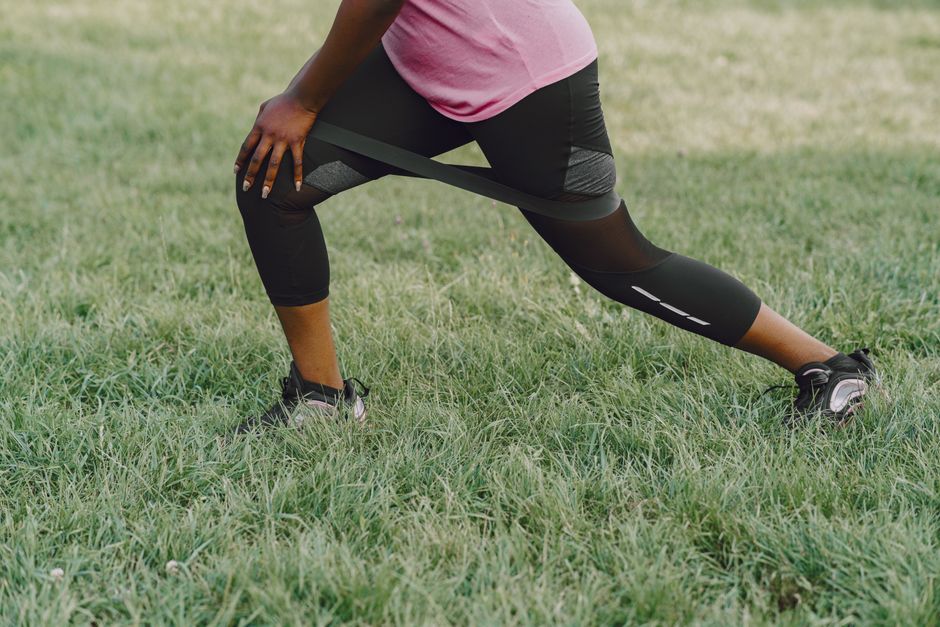
When it comes to maintaining peak athletic performance, muscle recovery is just as crucial as the training itself. Whether you're an amateur athlete or a seasoned professional in Nigeria, understanding how to optimize your recovery can make all the difference in your performance and longevity in your sport. Muscle recovery allows your body to heal, adapt, and prepare for the next challenge, reducing the risk of injury and enhancing your overall athletic capabilities.
Nigeria is a vibrant country with a rich culture of sports, from football and athletics to traditional games. As an athlete, knowing how to leverage the local resources and traditional practices can further enhance your recovery process. Let's dive into some effective muscle recovery strategies tailored for Nigerian athletes.
The Importance of Muscle Recovery
Before delving into the practical strategies, it's crucial to understand why muscle recovery matters. During exercise, especially strenuous sessions, muscle fibers undergo stress and small tears. Recovery is the process that allows these fibers to rebuild stronger and more resilient.
Reducing Injury Risk
Proper recovery reduces the risk of injuries. When muscles are allowed to repair and strengthen, they are less likely to succumb to strains or tears during subsequent workouts.
Optimizing Performance
Effective recovery boosts your performance. When muscles are fully recovered, you can exert more power, endurance, and skill in your sport.
Hydration: The Foundation of Recovery
Staying hydrated is fundamental for muscle recovery. Water is involved in almost every bodily function, including muscle repair.
Importance of Electrolytes
In Nigeria's warm climate, athletes tend to lose a significant amount of electrolytes through sweat. Replenishing these with drinks containing sodium, potassium, and magnesium is vital.
"Stay hydrated, but don't forget the electrolytes for optimal recovery."
Local Hydration Solutions
- Coconut Water: A local, natural source of electrolytes that supports rehydration.
- Zobo Drink: Made from hibiscus leaves, it’s refreshing and hydrating.
Nutrition: Fueling Recovery
Nutrition plays a pivotal role in muscle recovery. Providing the body with the right nutrients accelerates the repair process.
Protein Consumption
Protein is essential for muscle repair. Aim to include sources like fish, chicken, or traditional Nigerian dishes like egusi soup, which is rich in protein.
Carbohydrates for Energy
Carbs restore glycogen levels. Include foods like yam, rice, or plantains in your post-workout meal.
"Balance your macronutrients to fuel and repair your muscles effectively."
Active Recovery Techniques
Active recovery involves engaging in low-intensity exercises to promote blood flow and aid recovery.
Stretching and Yoga
Incorporating stretching or yoga helps maintain flexibility, reduces muscle stiffness, and enhances relaxation. Practices like sun salutation can be beneficial.
Light Aerobic Activity
- Walking: A simple way to keep muscles active without strain.
- Swimming: Provides resistance and relaxation, ideal for recovery.
Rest and Sleep: The Ultimate Recovery Tools
Resting your body is the most effective way to ensure complete recovery. Sleep, in particular, is indispensable.
Quality Sleep
Aim for 7-9 hours of sleep per night. Quality sleep allows for the release of growth hormones that aid in muscle repair.
Napping
Short naps during the day can also help rejuvenate the body and mind.
"Never underestimate the power of a good night's sleep for muscle recovery."
Traditional Nigerian Practices for Recovery
Leveraging traditional practices can provide unique recovery benefits while connecting you with cultural heritage.
Herbal Remedies
- Bitter Leaf Tea: Known for its anti-inflammatory properties, it can aid in reducing muscle soreness.
- Hot Stone Massage: Helps relieve muscle tension and improve circulation.
Conclusion
Muscle recovery is an indispensable aspect of any athlete's routine. By understanding and implementing these strategies, Nigerian athletes can enhance their performance, reduce the risk of injury, and enjoy longer, more successful athletic careers. From staying hydrated with local beverages to embracing the power of rest and traditional practices, these methods offer comprehensive solutions for effective recovery.