Stretching is one of those activities that many of us know we should do, but often overlook. In the hustle and bustle of Nigerian life, from Lagos' busy streets to the serene landscapes of Abuja, finding the time and motivation to stretch might seem daunting. However, incorporating effective stretching techniques into your routine can significantly impact muscle recovery and overall well-being.
Whether you are an athlete, a fitness enthusiast, or simply someone dealing with muscular tension, understanding the right way to stretch can help relieve pain, improve flexibility, and prevent injuries.
The Science Behind Stretching
How Stretching Affects Muscles
When you stretch, you are essentially elongating your muscles and tendons, which can help increase flexibility and range of motion. This process is crucial for muscle recovery as it helps in reducing muscle stiffness and soreness after exercise.
Moreover, stretching stimulates blood circulation, bringing oxygenated blood to muscle tissues and aiding in the removal of lactic acid buildup. This process is particularly beneficial after intense workouts or physical activities common in sports and traditional Nigerian dances.
"Stretching not only improves flexibility but also enhances blood flow, crucial for muscle recovery."
Types of Stretching
There are several types of stretching techniques, each serving a different purpose:
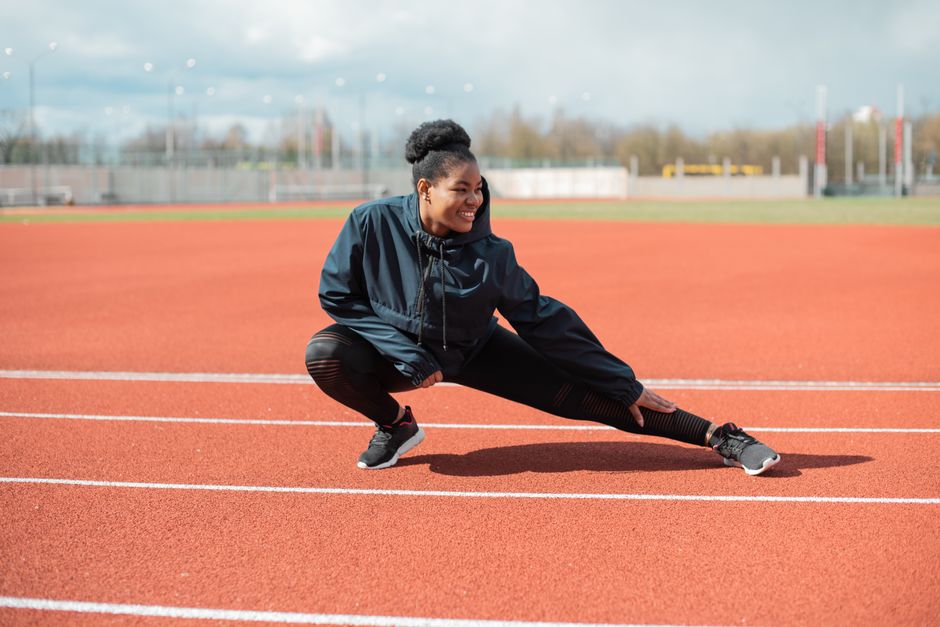
- Static Stretching: Involves holding a stretch for a set period. It's ideal for cooling down after workouts.
- Dynamic Stretching: Incorporates movement. It’s perfect for warming up before physical activities.
- PNF Stretching: This involves contracting and relaxing muscles. Usually performed with a partner, it enhances flexibility significantly.
Understanding these methods allows you to choose the right stretching techniques for your specific needs.
Benefits of Stretching for Muscle Recovery
Reduced Muscle Soreness
One of the primary benefits of stretching is its ability to reduce muscle soreness. This is particularly useful after long hours of sitting in traffic or standing in line at the market, common scenarios in Nigerian cities.
Regular stretching helps to lengthen muscle fibers, preventing tightness and discomfort. This is why many athletes and dancers, such as those performing the energetic Yoruba dances, incorporate stretching routines into their regimen.
Improved Blood Circulation
Stretching enhances blood flow to muscles, which is crucial in the recovery process. Improved circulation delivers nutrients and oxygen to muscles, aiding in faster recovery.
This benefit is not limited to athletes; anyone who engages in physical labor or long periods of inactivity can gain from improved circulation.
Enhanced Flexibility and Range of Motion
For many Nigerians, whether participating in sports or simply navigating the challenges of daily life, flexibility is vital. Stretching helps in maintaining and improving flexibility, allowing for a greater range of motion during activities.
"Consistent stretching improves flexibility, making everyday tasks and physical activities easier and more comfortable."
Incorporating Stretching Into Your Daily Routine
Morning Stretching Routine
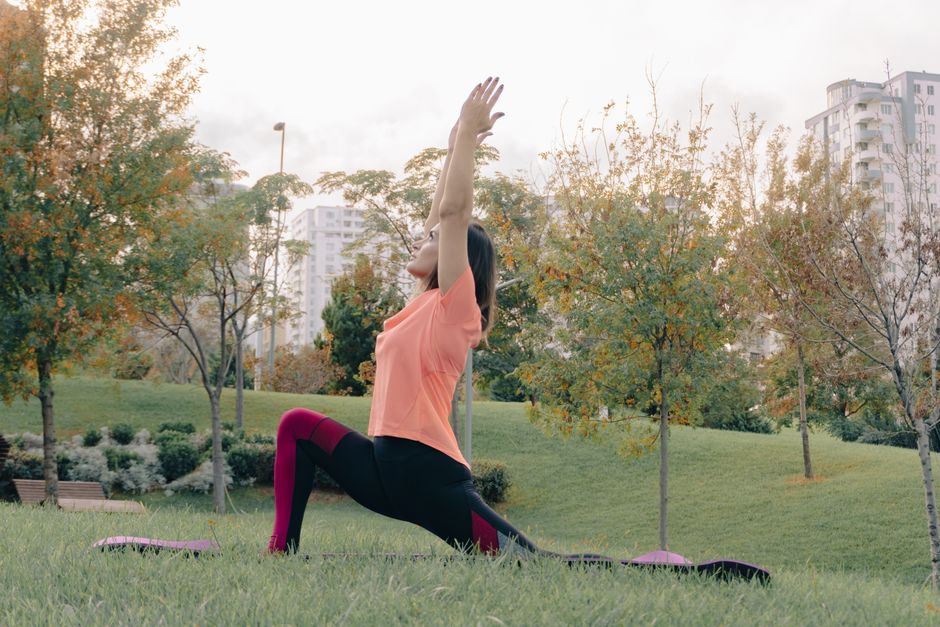
Starting your day with a few simple stretches can set a positive tone for the day. Consider incorporating stretches like the Child's Pose and Cat-Cow Stretch to wake up your body gently.
- Perform each stretch for 30 seconds.
- Focus on breathing deeply to enhance relaxation.
- Aim for consistency, even on busy mornings.
Pre-Workout Stretching
Before engaging in exercise, dynamic stretching can be highly beneficial. Exercises such as arm circles, leg swings, and torso twists prepare your body and reduce the risk of injury.
These movements mimic your workout routine and help in warming up specific muscle groups.
Common Mistakes to Avoid
Overstretching
While stretching is beneficial, overstretching can lead to injuries. It's essential to listen to your body and avoid pushing it beyond its limits.
Stretch gently and never to the point of pain. This approach ensures safe and effective stretching sessions.
Ignoring Specific Muscle Groups
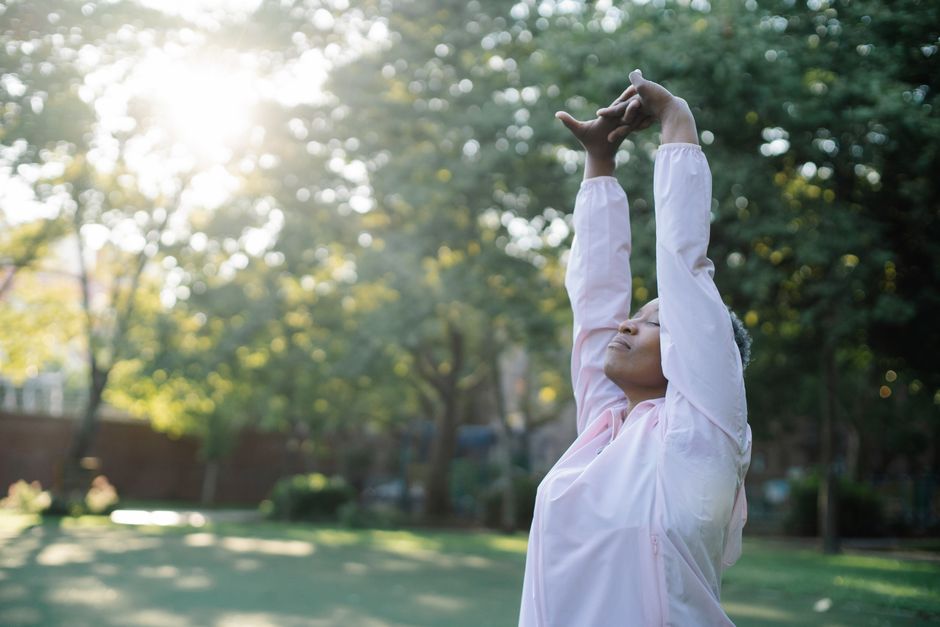
Often, people focus only on the major muscle groups, neglecting smaller ones. Ensure a balanced routine that targets all muscle groups, including those in the neck and shoulders, often strained by long hours at a desk or in transit.
Conclusion
Stretching is an invaluable addition to any fitness or wellness routine, especially for muscle recovery. By incorporating the right techniques, you can prevent injuries, enhance flexibility, and improve muscle recovery.
Remember, consistency is key. Whether you're starting your day with a stretch, cooling down after a workout, or simply taking a moment to unwind, stretching can transform your physical health and recovery.