Imagine this: You’ve just completed an invigorating workout or spent a long day at work hunched over a desk. Your muscles are tense, your limbs feel heavy, and all you want is relief. Stretching could be the answer you’re looking for. While often overlooked, stretching plays a crucial role in muscle recovery and overall well-being. In Nigeria, where the hustle and bustle of daily life can take a toll on our bodies, incorporating effective stretching techniques could be the key to maintaining a vibrant, healthy lifestyle.
In this article, we'll delve into the importance of stretching, explore various stretching techniques, and offer practical tips that are perfect for Nigerians looking to enhance muscle recovery and prevent injuries. Whether you've just finished a run around the streets of Lagos or a long day of sitting in traffic, these strategies will help you feel rejuvenated and ready to take on the next challenge.
Understanding the Importance of Stretching
Stretching is more than just a post-workout ritual; it’s a vital component of physical health that helps keep the body flexible, strong, and primed for activity. Stretching helps to:
- Improve Flexibility: Regular stretching increases your range of motion in the joints, crucial for overall mobility.
- Enhance Circulation: Stretching improves blood flow to the muscles, aiding in faster recovery and reducing soreness after physical activity.
- Prevent Injuries: By preparing the muscles for movement and reducing tension, stretching decreases the risk of strains and injuries.
- Reduce Stress: Stretching can have a calming effect, helping to reduce stress levels in a fast-paced environment like Nigeria.
The Science Behind Stretching
Stretching works by elongating the muscle fibers and increasing elasticity, which can enhance your body’s ability to perform various physical activities. When you stretch, you activate the muscle spindles, which are sensory receptors within the muscle that respond to changes in muscle length.
“Stretching not only prepares the muscles for movement but also contributes to mental relaxation, making it a holistic approach to recovery.”
Types of Stretching Techniques
There are several different stretching techniques, each suitable for different purposes. Understanding these can help you choose the right type of stretching for your needs.
Static Stretching
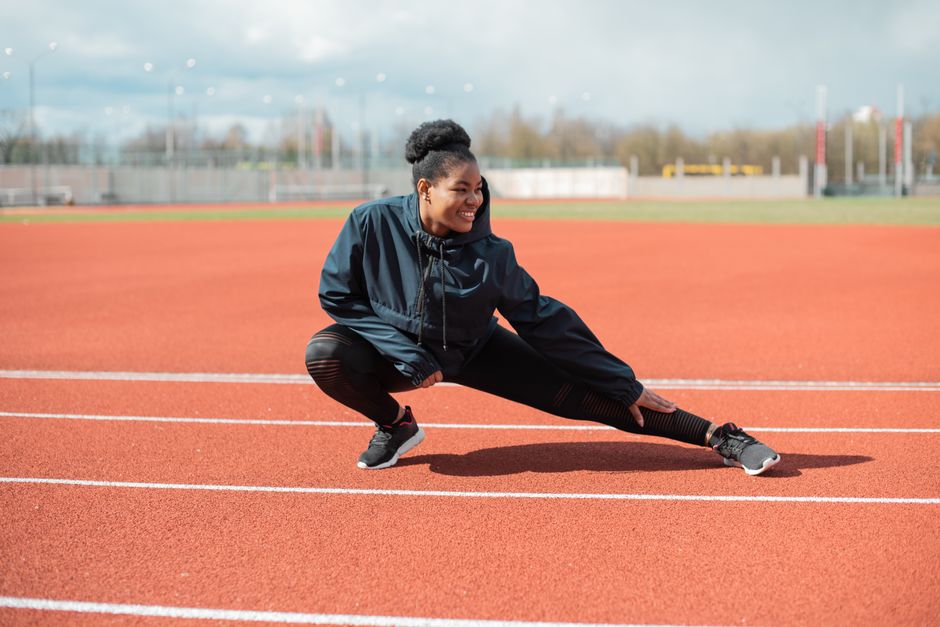
Static stretching involves holding a stretch in a challenging but comfortable position for a period, usually between 15 to 60 seconds. It’s most effective post-workout to help cool down and reduce muscle stiffness.
“Static stretching after workouts can help elongate muscles and improve flexibility over time.”
Dynamic Stretching
Dynamic stretching involves moving parts of your body and gradually increasing reach, speed, or both. It’s often used as part of a warm-up to prepare muscles for activity. Think of movements like arm circles or leg swings.
PNF Stretching
Proprioceptive Neuromuscular Facilitation (PNF) is an advanced form of flexibility training that involves both the stretching and contracting of the muscle group targeted. Though highly effective, PNF is best performed with a partner or a knowledgeable trainer.
Practical Stretching Routines for Nigerians
In Nigeria, where life can be quite demanding physically and mentally, fitting stretching into your daily routine can be a challenge. Here’s how you can make it work:
Morning Stretch Routine
- Neck Roll: Start your day by slowly rolling your neck in a circle to relieve tension.
- Shoulder Shrugs: Lift your shoulders up to your ears and release them for a quick tension relief.
- Hamstring Stretch: While sitting on the edge of your bed, extend one leg and reach for your toes to wake up your legs.
Mid-Day Office Stretch
Take a break from your desk work with these easy stretches:
- Seated Torso Twist: While seated, turn your torso to look over your shoulder for a gentle spinal twist.
- Wrist Stretch: Extend one arm in front, palm down, and use your other hand to gently pull your fingers back to stretch your wrist.
Evening Wind-down Stretch
- Cat-Cow Stretch: On all fours, alternate between arching your back and rounding it to relieve lower back tension.
- Child’s Pose: Sit back on your heels, stretch your arms forward, and relax your forehead on the ground for a calming stretch.
Common Stretching Mistakes to Avoid
While stretching is beneficial, doing it incorrectly can lead to injury. Here are common mistakes to avoid:
- Bouncing: Avoid bouncing in a stretch as it can cause microtears in the muscle fibers.
- Holding Breath: Remember to breathe deeply and evenly during stretches to relax the muscles.
- Ignoring Pain: Stretching should not be painful; if it is, ease back to prevent injury.
Incorporating Stretching into Daily Life
Integrating stretching into everyday life doesn’t have to be a chore. Here are some tips:
Make It Routine
Attach stretching to a daily habit like brushing your teeth or after your morning coffee, so it becomes second nature.
Set Reminders
Use your phone to set reminders for short stretching breaks, particularly if you sit for long periods.
Join a Community
Consider joining a local yoga class or an online stretching group for motivation and to learn new techniques.
Conclusion
Stretching is a simple yet powerful tool that can significantly enhance your muscle recovery and overall physical health. By understanding different types of stretching and incorporating them into your daily routine, you can prevent injuries, improve flexibility, and reduce stress. Remember, it's about consistency and listening to your body. With these practices, you'll be well on your way to a healthier, more flexible, and resilient self. So next time you feel the stress of Lagos traffic or a demanding workout, take a moment to stretch and feel the difference.