After a rigorous workout or a long day of physical activity, muscle recovery is crucial. Many Nigerians, especially those who engage in sports or intense physical labor, understand the importance of allowing their bodies time to heal. Muscle recovery not only helps reduce soreness but also enhances performance in subsequent physical activities. So, how can you ensure you're giving your muscles the best chance to recover effectively?
In this comprehensive guide, we'll explore various techniques and tips for muscle recovery. From the significance of rest to nutrition and practical daily habits, you'll discover actionable strategies to help your body heal efficiently.
The Importance of Rest in Muscle Recovery
Rest is a fundamental component of muscle recovery. Without adequate rest, your muscles don't have the time they need to repair. This can lead to prolonged soreness and even injury.
Why Rest Matters
During rest, particularly sleep, your body releases growth hormones, which are essential for muscle repair. This is why getting enough quality sleep each night is vital.
For many Nigerians, the hustle and bustle of daily life can make it challenging to prioritize rest. However, incorporating regular rest days into your routine can significantly enhance your recovery process.
- Establish a consistent sleep schedule, aiming for 7-9 hours per night.
- Take short naps if needed during the day to boost recovery.
"Sleep is the best meditation." - Dalai Lama
Nutrition: Fueling Your Body for Recovery
What you eat after a workout can greatly influence how quickly your muscles recover. Consuming the right nutrients helps repair muscle fibers and replenish energy supplies.
Key Nutrients for Muscle Recovery
- Protein: Essential for repairing and building muscle tissue. Incorporate lean meats, fish, eggs, or plant-based proteins like beans and lentils into your meals.
- Carbohydrates: Replenish glycogen stores to prevent fatigue. Opt for whole grains, fruits, and vegetables.
- Hydration: Stay hydrated to maintain optimal muscle function. Drink plenty of water and consider electrolyte-rich beverages if you've had an intense workout.
Incorporating these nutrients into your diet can make a significant difference in your recovery process.
Active Recovery: Gentle Movements for Healing
Active recovery involves engaging in low-intensity activities that promote blood circulation without straining the muscles.
Examples of Active Recovery
- Walking or light jogging
- Swimming or water aerobics
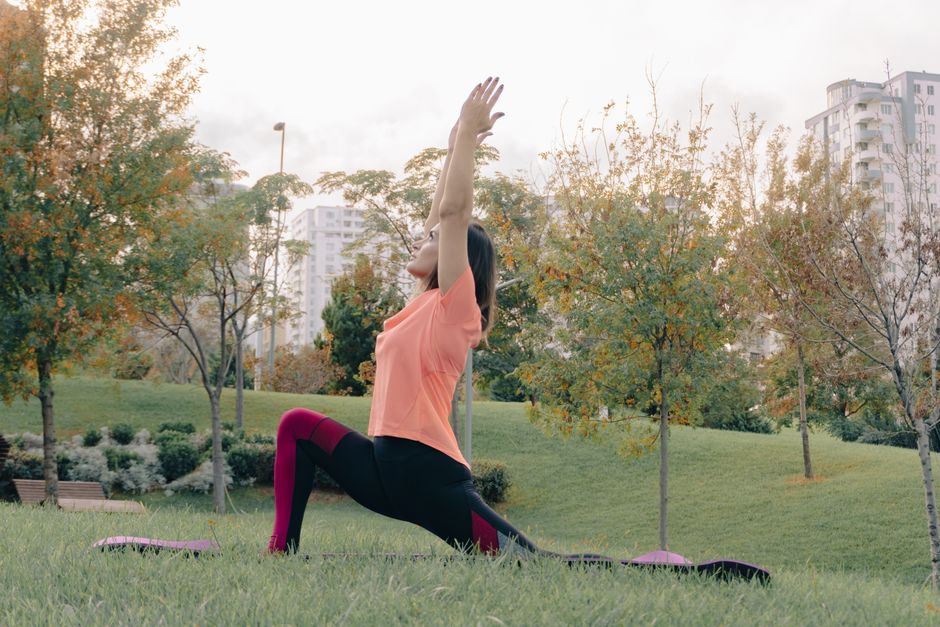
- Yoga or stretching exercises
These activities help reduce muscle stiffness and soreness, allowing for a quicker recovery.
Mental Recovery: The Psychological Aspect
Muscle recovery isn't just physical; it’s also mental. Stress can negatively impact your body’s ability to heal.
Stress-Reduction Techniques
- Practice meditation or deep breathing exercises.
- Engage in relaxing hobbies, such as reading or listening to music.
- Spend time with friends and family to boost your mood.
"Calm mind brings inner strength and self-confidence." - Dalai Lama
Practical Tips for Everyday Muscle Recovery
Implementing small changes in your daily routine can make a big difference in how your muscles recover.
- Stay Consistent: Recovery techniques are most effective when applied consistently.
- Listen to Your Body: Pay attention to pain or discomfort signals and adjust your activities accordingly.
- Invest in Recovery Tools: Foam rollers, massage balls, and compression garments can aid recovery.
These practical tips can be easily integrated into your lifestyle, promoting better recovery and overall health.
Conclusion
Muscle recovery is a vital component of overall physical health, especially for those leading active lifestyles. By prioritizing rest, nutrition, active recovery, and mental wellness, you can significantly enhance your body's healing process. Remember to listen to your body and adapt your recovery practices to fit your personal needs. With these strategies, you'll be well on your way to optimal muscle recovery and improved physical performance.