Every athlete, fitness enthusiast, and even the occasional gym-goer in Nigeria knows the importance of muscle recovery. Whether you’re hitting the streets of Lagos for a morning jog or heading to the local gym in Abuja, the aftermath of a good workout can often be a mix of satisfaction and soreness. The key to maintaining a consistent fitness routine and achieving long-term health goals lies in effective muscle recovery. In this article, we’ll dive into practical strategies specifically tailored for Nigerian readers to enhance muscle recovery, ensuring you're always ready to face another day.
Muscle recovery is not just about resting. It’s a holistic process that involves proper nutrition, hydration, active rest, and sometimes innovative recovery techniques. By optimizing your recovery routine, you can reduce the risk of injury, improve performance, and maintain a healthy lifestyle. Let’s explore how you can make the most out of your recovery days in a Nigerian context.
The Science of Muscle Recovery
What Happens to Your Muscles Post-Exercise?
When you exercise, especially during intense workouts, your muscle fibers experience small tears. This is a natural and necessary part of the muscle-building process. As these fibers repair, they grow stronger, which is why recovery is crucial. Without proper recovery, you risk overtraining, leading to injury and burnout.
The Role of Nutrition in Recovery
Your diet plays a significant role in how fast and efficiently your muscles recover. Consuming the right nutrients helps repair those tiny tears and replenish energy stores.
- Protein: Essential for muscle repair. Include sources like beans, fish, and lean meats.
- Carbohydrates: Restore glycogen levels. Rice and yam are excellent options.
- Fats: Healthy fats from avocado and palm oil support overall recovery.
"Proper nutrition is the foundation of effective muscle recovery."
Techniques to Accelerate Recovery
Hydration: The Unsung Hero
Staying hydrated is often overlooked but is crucial for muscle recovery. Water aids in transporting nutrients to your muscles and removing waste products. Aim to drink at least 2-3 liters of water daily, more if you are active.
Sleep: Nature’s Best Healer
Quality sleep is non-negotiable when it comes to recovery. During sleep, your body releases growth hormone, which is vital for muscle growth and repair. Try to get 7-9 hours of sleep each night.
Active Recovery and Stretching
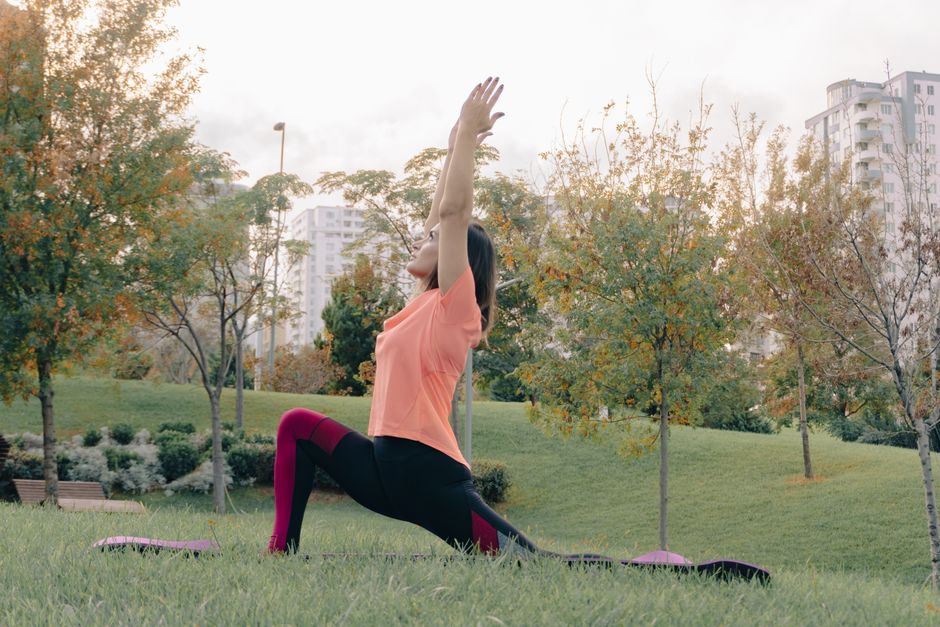
Engage in light activities such as walking or yoga to keep your muscles active without overexerting them. Stretching helps maintain flexibility and reduce muscle stiffness.
Tip: Incorporate Nigerian traditional dances like Bata or Atilogwu into your routine for a fun twist on active recovery!
Supplements and Natural Remedies
Are Supplements Necessary?
While a balanced diet should be your primary source of nutrients, some people find supplements beneficial. Protein powders, BCAAs, and omega-3 supplements can support muscle recovery.
Embrace Nigerian Superfoods
Local foods like moringa and bitter leaf are rich in antioxidants and can aid in reducing inflammation and speeding up recovery.
"Embracing local superfoods not only supports recovery but also promotes cultural heritage."
Common Mistakes to Avoid
Ignoring Pain Signals
Pain is your body’s way of telling you something is wrong. Don’t ignore persistent pain; rest and consult a healthcare professional if needed.
Overtraining
Consistency is key, but overtraining without adequate rest can lead to more harm than good. Listen to your body and allow it the time it needs to recover.
- Plan rest days into your weekly routine.
- Alternate between different types of workouts to prevent excessive strain on the same muscle groups.
Conclusion
Muscle recovery is an essential aspect of any fitness journey, ensuring you stay healthy and motivated. By incorporating these strategies into your lifestyle, you can enhance your recovery process, reduce the risk of injury, and continue to enjoy the benefits of an active lifestyle. From optimizing your nutrition with Nigerian staples to embracing local cultural activities as part of your recovery schedule, there are countless ways to make recovery both effective and culturally enriching. Remember, a well-rested body is a stronger body.