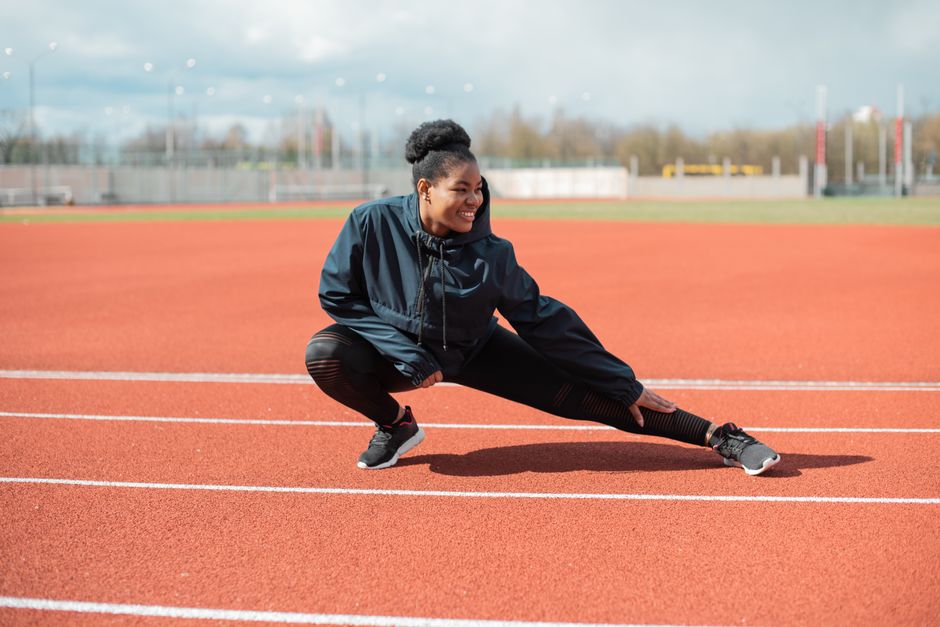
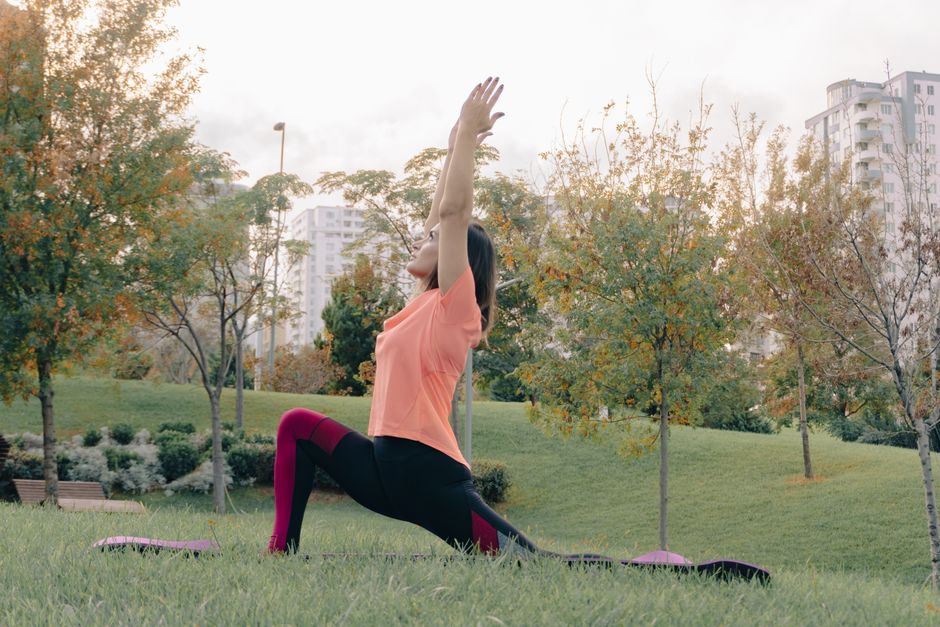
In the bustling life of Nigeria, where the day’s hustle can leave muscles tight and sore, finding effective ways to enhance muscle recovery is crucial. Whether you're a fitness enthusiast hitting the gym in Lagos or someone who enjoys weekend soccer games in Abuja, muscle recovery is key to staying fit and injury-free. One of the most practical and accessible methods to improve muscle recovery is through stretching. Not only does it help alleviate soreness, but it also enhances flexibility and prevents future injuries.
This article will delve into the world of stretching, providing you with the knowledge and techniques to effectively enhance your muscle recovery. By adopting these practices, you'll be better equipped to handle the physical demands of daily life or your fitness routine.
The Importance of Muscle Recovery
Muscle recovery is an essential part of any fitness routine, ensuring that our bodies remain in peak condition. Without proper recovery, we risk overtraining, which can lead to injuries. In Nigeria, where many juggle multiple responsibilities, having efficient recovery strategies is vital.
Understanding Muscle Recovery
Muscle recovery is the process by which the body repairs and rebuilds muscle tissues after exertion. It involves several physiological processes that help repair micro-tears in the muscle fibers.
Benefits of Muscle Recovery
- Reduced Muscle Soreness: Proper recovery helps alleviate soreness and stiffness.
- Improved Performance: Ensures your muscles are ready for the next workout.
- Injury Prevention: Reduces the risk of strains and sprains.
Types of Stretching for Muscle Recovery
There are various types of stretching techniques that can aid in muscle recovery. Incorporating these into your routine can make a significant difference.
Static Stretching
"Static stretching involves holding a stretch for 15-60 seconds, allowing muscles to lengthen and relax."
This type of stretching is particularly effective post-exercise when muscles are warm.
Dynamic Stretching
Dynamic stretching involves active movements that take your joints and muscles through their full range of motion. It's perfect for a warm-up routine.
PNF Stretching
Proprioceptive Neuromuscular Facilitation (PNF) stretching is an advanced technique that combines passive stretching and isometric contractions.
Incorporating Stretching into Your Routine
Pre-Workout Routine
Dynamic stretching should be part of your pre-workout routine to prepare your muscles for exercise.
Post-Workout Routine
After exercising, incorporate static stretching to help your muscles cool down and relax.
Stretching Techniques for Popular Nigerian Activities
Whether you're involved in traditional dance, soccer, or any local sport, specific stretching techniques can enhance your performance and recovery.
For Soccer Players
- Hamstring Stretch: Helps prevent hamstring strains, common in soccer.
- Calf Stretch: Essential for quick sprints and sudden stops.
For Dancers
- Hip Flexor Stretch: Vital for fluid movements and flexibility.
- Quadriceps Stretch: Prevents knee injuries and improves leg strength.
Common Mistakes to Avoid
Avoiding common stretching mistakes can greatly enhance its effectiveness.
Overstretching
Pushing your body beyond its limits can lead to injuries rather than preventing them.
Ignoring Pain
"Stretching should not be painful. Listen to your body and adjust accordingly."
Conclusion
Stretching is a powerful tool in enhancing muscle recovery. By incorporating these techniques into your routine, you not only help your muscles recover faster but also improve your overall fitness and flexibility. Embrace these practices, and you'll enjoy a more active and injury-free lifestyle amidst the vibrant hustle and bustle of Nigerian life.