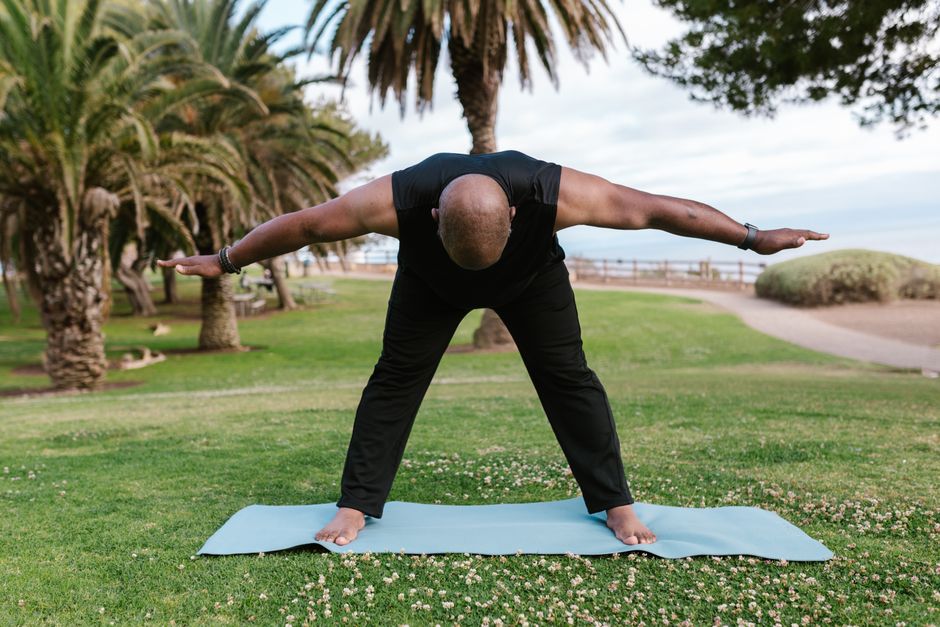
Feeling sore after a long day or an intense workout session is something we all can relate to. In Nigeria, where our days can be filled with various physical activities, from navigating bustling markets to managing household chores, it's vital to incorporate muscle recovery techniques into our routine. One of the most effective yet often overlooked methods is stretching. Not only does it aid in muscle recovery, but it also enhances flexibility and reduces the risk of injury. Dive into these practical stretching techniques that you can easily adopt in your daily life.
Understanding Muscle Recovery
Muscle recovery is crucial for maintaining overall health and improving physical performance. It involves various processes that repair and strengthen muscle tissue after physical activity.
The Importance of Recovery
Recovery is not just about resting; it's a comprehensive process that includes proper nutrition, hydration, sleep, and techniques like stretching.
Recovery is the secret weapon to achieving your fitness goals without compromising your health.
Common Misconceptions
Many believe that resting alone is enough for recovery. However, incorporating active recovery techniques like stretching can significantly enhance your results.
- Resting is passive, stretching is active recovery.
- Stretching improves blood circulation, aiding in quicker recovery.
The Science Behind Stretching
Stretching works by elongating muscle fibers and improving the elasticity of the muscles and joints.
Types of Stretching
There are several types of stretching, each serving different purposes and benefits.
- Dynamic Stretching: Involves moving parts of your body and gradually increasing reach, speed of movement, or both.
- Static Stretching: Involves holding a stretch for a period, typically 15-60 seconds.
- PNF Stretching: A more advanced form that involves both stretching and contracting the muscle group being targeted.
Benefits of Regular Stretching
- Improves flexibility and range of motion.
- Reduces muscle stiffness and soreness.
- Enhances muscular coordination.
Practical Stretching Techniques for Nigerians
Incorporating stretching into your daily routine can be simple and rewarding. Here are some techniques tailored for the Nigerian lifestyle.
Morning Routine
Starting your day with a few stretches can set a positive tone for the day.
- Neck Rolls: Gently roll your neck in a circular motion to relieve tension.
- Shoulder Shrugs: Lift your shoulders to your ears and then release to loosen up shoulder muscles.
Post-Work Stretching
After a day of work, especially for those with desk jobs, stretching can alleviate tension.
- Forward Fold: Bend forward from your hips, allowing your head to hang, relieving lower back tension.
- Seated Twist: While seated, place one hand on the opposite knee and twist gently to stretch the spine.
Incorporating Stretching into Your Fitness Routine
Stretching should be an integral part of any fitness routine to enhance performance and prevent injuries.
Pre-Workout Stretching
Dynamic stretching prepares your body for the demands of a workout.
- Leg Swings: Swing your legs forward and backward to warm up hip joints.
- Arm Circles: Perform circles with your arms to mobilize shoulder joints.
Post-Workout Stretching
Static stretching helps cool down your body and reduce muscle tension.
- Quadriceps Stretch: Hold your ankle behind you to stretch the front of your thigh.
- Hamstring Stretch: Sit with legs extended and reach for your toes to stretch the back of your legs.
Conclusion
Incorporating stretching into your daily routine doesn't have to be time-consuming or complicated. With the right techniques, you can significantly enhance your muscle recovery process, improve flexibility, and prevent injuries. Whether you're navigating the busy streets of Lagos or relaxing at home, these stretches can fit seamlessly into your lifestyle, enhancing your overall wellbeing.