In the bustling streets of Lagos, amidst the vibrant colors of local markets and the rhythmic beats of afrobeat music, lies a less talked about but crucial aspect of athletic performance—muscle recovery. Whether you're a sprinter training at the University of Ibadan or a football enthusiast in Abuja, understanding how to properly recover your muscles can significantly enhance your performance and longevity in sports.
Muscle recovery is an essential component of any athlete's training regimen. It is during recovery that muscles repair, strengthen, and prepare for subsequent workouts. For Nigerian athletes, who often face intense competition and physically demanding training sessions, mastering muscle recovery techniques is not just beneficial—it is essential.
In this article, we will delve into practical muscle recovery strategies that are both effective and easy to incorporate into your routine. From the importance of rest to the role of nutrition, these tips will help you bounce back faster and stronger.
The Importance of Rest in Muscle Recovery
Rest is one of the most underestimated components of muscle recovery. In Nigeria, where hustle culture is prevalent, taking time to rest might seem counterproductive, but it's critically important.
The Science Behind Rest
When you work out, especially during intense sessions, you create tiny tears in your muscle fibers. Rest is when these fibers repair and grow stronger. Without adequate rest, you risk overtraining, which can lead to injuries or decreased performance.
- Active Rest: This involves low-intensity activities like walking or cycling, which can promote blood flow and help recovery.
- Passive Rest: Simply taking time off from any physical activity to allow your body to fully recuperate.
"Rest is not a waste of time; it's a crucial part of the training process."
Nutrition's Role in Muscle Recovery
Nutrition is the fuel that powers muscle recovery. The right nutrients can speed up the healing process, reduce muscle soreness, and improve overall recovery time.
Proteins and Amino Acids
Proteins are the building blocks of muscles. Consuming adequate protein helps repair muscles and foster growth. Foods like beans, fish, and chicken are excellent sources.
Carbohydrates and Energy
After a workout, your glycogen stores are depleted. Consuming carbohydrates helps replenish these stores, providing energy for your next workout session.
- Post-Workout Meal: A balanced meal of protein and carbohydrates, such as jollof rice with grilled chicken, can significantly aid recovery.
- Hydration: Staying hydrated is crucial. Water helps transport nutrients throughout your body and flushes out toxins.
Stretching and Flexibility Exercises
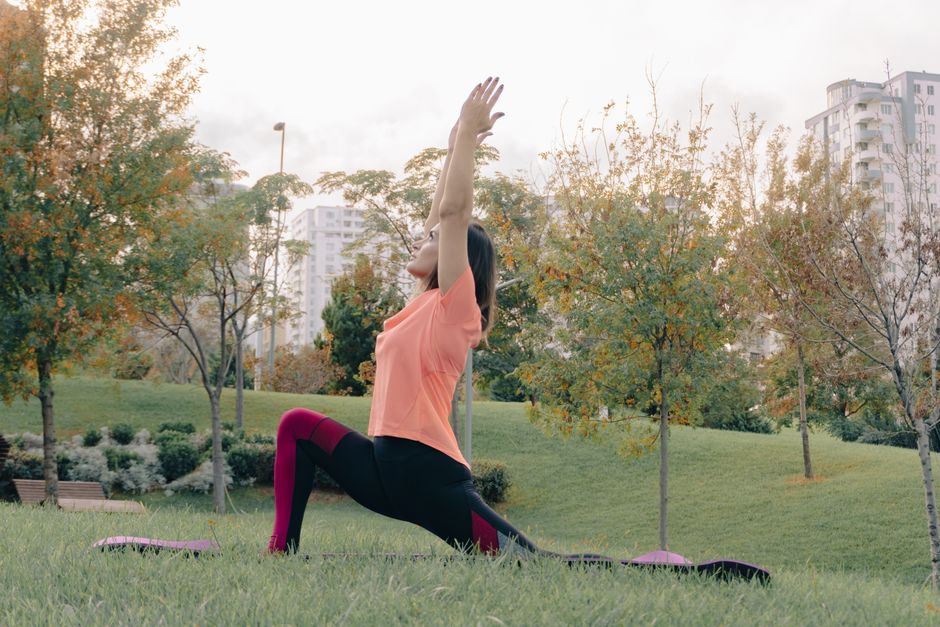
Incorporating stretching exercises into your routine can prevent injuries and improve muscle recovery. Stretching helps increase blood flow to muscles and enhances flexibility.
Static Stretching
Ideal after workouts, static stretching involves holding a stretch for a period, which can help relieve tension and improve range of motion.
Dynamic Stretching
This involves active movements that stretch your muscles and prepare them for physical activity. It's perfect for warming up before a workout.
"Regular stretching can greatly reduce the risk of injuries and improve overall athletic performance."
The Power of Sleep in Recovery
Sleep is perhaps the most natural and effective recovery tool. During sleep, your body undergoes various repair processes.
Quality vs. Quantity
It's not just about how long you sleep but also the quality of sleep. Aim for 7-9 hours of restful sleep each night.
Creating a Sleep-Conducive Environment
Ensure your bedroom is dark, quiet, and cool. Consider investing in a comfortable mattress and pillows to enhance sleep quality.
- Sleep Routine: Establish a consistent sleep schedule to regulate your body's internal clock.
- Mindful Relaxation: Practices like meditation or deep breathing before bed can improve sleep quality.
Incorporating Recovery Tools
Several tools and techniques can assist in muscle recovery, from foam rollers to massage therapy.
Foam Rolling
Foam rolling is a form of self-myofascial release that can help reduce muscle tension and improve flexibility.
Massage Therapy
A professional massage can help relieve muscle soreness, reduce stress, and enhance overall recovery.
"Utilizing massage and recovery tools can accelerate healing and improve athletic performance."
Conclusion
Effective muscle recovery is a multifaceted approach involving rest, nutrition, stretching, sleep, and recovery tools. For Nigerian athletes, incorporating these strategies into your routine can significantly boost performance while reducing the risk of injury. Remember, recovery is just as important as the training itself. So, take the time to rest, eat well, stretch, and sleep—your muscles will thank you!