Have you ever felt that post-workout soreness that makes you question why you started exercising in the first place? You're not alone. For many Nigerians, balancing a busy lifestyle with staying fit can be a challenge. But what if I told you that muscle recovery is just as essential as the workout itself? Proper recovery not only helps you get back on your feet faster but also prevents injuries and enhances your overall fitness journey.
Muscle recovery might sound like a complex concept, but it's actually pretty straightforward when you break it down. From traditional methods passed down through generations to modern techniques, there's a wide range of practices you can adopt to ensure your muscles are taken care of. Let's dive into some practical ways you can improve your muscle recovery and keep fit while living in Nigeria.
The Importance of Muscle Recovery
Muscle recovery is crucial for anyone engaging in physical activities. After intense workouts, your muscles need time to repair and strengthen. This process will help you achieve better performance and reduce the risk of injuries.
Understanding Muscle Soreness
Muscle soreness, often known as DOMS (Delayed Onset Muscle Soreness), is a natural response to intense exercise. It usually occurs 24 to 72 hours after activity and is a sign that your muscles are adapting to the new workout regimen.
"Listen to your body. If soreness persists, it may be a sign of overtraining."
Benefits of Proper Muscle Recovery
- Reduced Risk of Injury: Allowing muscles to recover decreases the likelihood of strains and injuries.
- Improved Performance: Well-rested muscles are more efficient, leading to better workout results.
- Enhanced Flexibility: Recovery techniques often include stretching, which increases flexibility.
Effective Muscle Recovery Techniques
Nutrition and Hydration
What you eat and drink plays a significant role in muscle recovery. Proper nutrition provides the body with the necessary nutrients to repair and build muscles.
- Protein Intake: Consuming protein post-workout helps in muscle repair and growth. Foods like beans, eggs, and fish are excellent sources.
- Stay Hydrated: Water is essential for transporting nutrients and flushing out toxins. Aim to drink at least 2-3 litres daily.
Incorporating Rest Days
Rest days are just as important as workout days. They give your muscles time to heal and grow stronger.
"Rest is not a sign of weakness. It's a crucial part of any fitness plan."
Massage and Foam Rolling
Massage therapy and foam rolling are effective techniques to alleviate muscle tension and improve blood flow.
- Foam Rolling: Helps relieve muscle tightness and improve flexibility. Spend a few minutes after workouts focusing on sore areas.
- Regular Massages: Consider getting a professional massage or practicing self-massage techniques at home.
Traditional and Modern Recovery Practices in Nigeria
Herbal Remedies
Traditional Nigerian herbal remedies have been used for muscle recovery for centuries. Ingredients like shea butter and neem oil have anti-inflammatory properties.
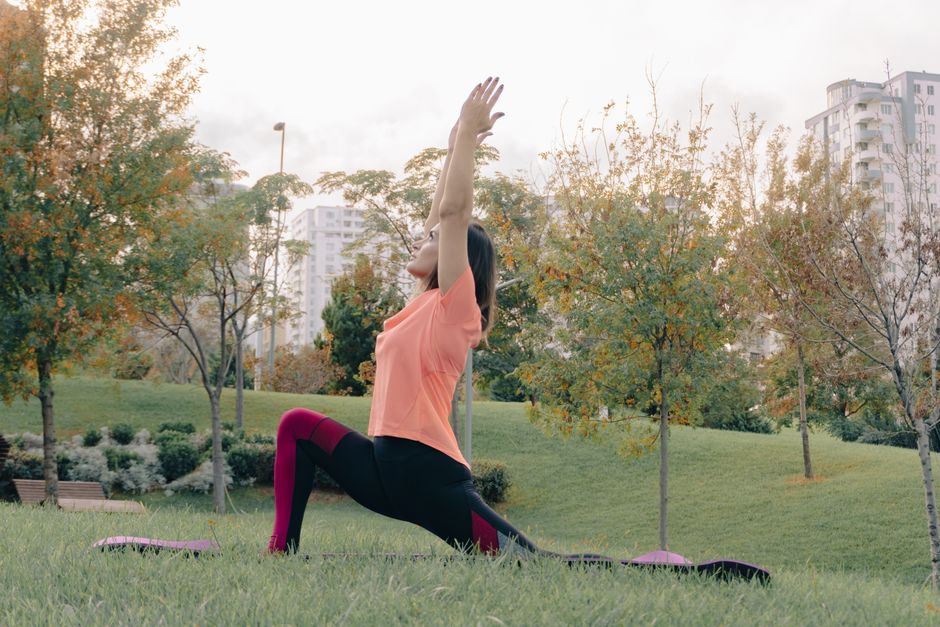
Yoga and Stretching
While yoga is gaining popularity in Nigeria, incorporating stretching into your routine can significantly aid recovery.
- Sun Salutations: This yoga sequence helps improve flexibility and circulation.
- Dynamic Stretching: Practice stretches that mimic your workout movements to effectively warm up muscles.
Technology and Gadgets for Recovery
With the rise of technology, several gadgets can assist in muscle recovery, making the process easier and more efficient.
Wearable Tech
Wearable technology like fitness trackers can monitor your physical activity and suggest recovery periods based on your activity levels.
Infrared Saunas
Though not widely available, infrared saunas are becoming popular for muscle recovery. They promote relaxation and muscle healing through infrared light.
Creating a Personalized Recovery Plan
Everyone's body responds differently to workouts, so it's crucial to create a personalized recovery plan that suits your needs.
Listen to Your Body
Your body will often give you signs if it's time to rest or if you're pushing too hard. Pay attention to these signals to prevent overtraining.
Consult Professionals
If you're unsure about where to start, consider consulting with a fitness trainer or healthcare professional who can guide you based on your fitness level and goals.
Conclusion
Incorporating muscle recovery techniques into your fitness routine is essential for long-term success and injury prevention. Whether you're a seasoned athlete or a beginner, understanding and practicing proper recovery can lead to more effective workouts and a healthier lifestyle. So next time you hit the gym or embark on a new fitness challenge, remember to give your muscles the TLC they deserve. Your body will thank you!