Muscle recovery is an essential aspect of any athlete's routine, especially in a bustling nation like Nigeria where sports and physical activities are part of the vibrant culture. Whether you're a professional athlete or someone who enjoys playing football with friends on the weekends, understanding how to effectively recover your muscles can significantly enhance your performance and reduce the risks of injury.
Injury and muscle soreness are familiar to anyone who engages in regular physical activity. However, knowing the right techniques for muscle recovery can help you bounce back quicker, ready to take on your next challenge. In this article, we will dive deep into practical muscle recovery strategies, focusing on approaches that resonate with Nigerian athletes and their unique lifestyles.
From traditional remedies to scientifically-backed methods, let's explore the diverse avenues available for muscle recovery that can be seamlessly integrated into your daily routine. By the end of this guide, you'll have a comprehensive toolkit of recovery techniques to optimize your athletic performance.
Understanding Muscle Recovery
Before delving into specific techniques, it's important to understand what muscle recovery entails. Muscle recovery refers to the process your body undergoes to repair muscle fibers, replenish energy stores, and adapt to the stress of physical activity.
The Science Behind Muscle Recovery
Every time you engage in exercise, especially high-intensity workouts, you create microscopic tears in your muscle fibers. The recovery process is where these fibers repair and grow stronger, a process known as muscle hypertrophy.
Signs Your Muscles Need Recovery
- Persistent muscle soreness beyond 72 hours
- Fatigue and reduced performance
- Increased irritability and mood swings
- Difficulty sleeping or poor quality sleep
Recognizing these signs ensures you take timely action to support your recovery process.
Effective Muscle Recovery Techniques
Active Recovery
Active recovery involves low-intensity exercises that help keep your blood flowing and facilitate muscle repair. Examples include:
- Walking or light jogging around your neighborhood
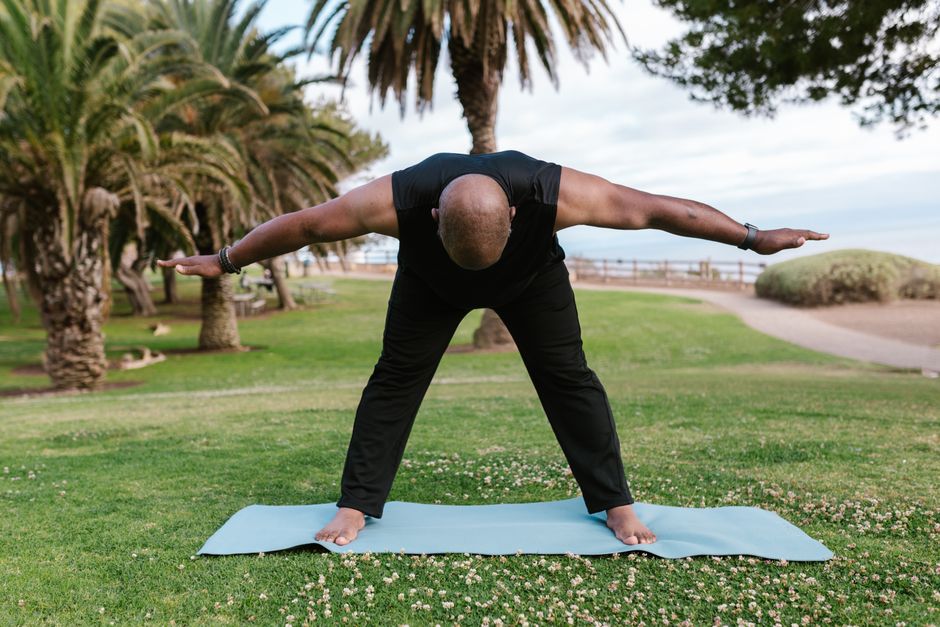
- Engaging in a calming yoga session at home
- Swimming at a local pool or beach
These activities help reduce muscle stiffness and encourage blood circulation without adding stress to your body.
Hydration and Nutrition
Staying hydrated and eating nutrient-rich foods play a critical role in muscle recovery. In Nigeria, you can incorporate local foods like:
- Watermelon and coconut water for hydration
- Protein-rich meals like beans and plantain
- Vitamin-rich vegetables such as spinach and okra
Ensuring a balanced diet supports your body's repair mechanisms and energy replenishment.
Restorative Sleep
Quality sleep is crucial for muscle recovery as it's during sleep that your body undergoes most of its repair and growth processes. Aim for 7-9 hours of sleep, and consider creating a bedtime routine that includes:
- Reducing screen time before bed
- Practicing relaxation techniques like deep breathing
- Ensuring a comfortable sleeping environment
Traditional Nigerian Remedies for Recovery
Nigeria's rich cultural heritage includes traditional remedies that can aid muscle recovery. These remedies often involve natural ingredients found locally.
Herbal Teas
Herbal teas made from local plants such as ginger and hibiscus can have anti-inflammatory properties that help soothe sore muscles.
Massage and Heat Therapy
Massage therapy is widely embraced in Nigeria for relaxation and healing. Combining it with heat therapy using warm towels can enhance muscle relaxation and recovery.
Preventing Muscle Fatigue
Preventing muscle fatigue is as crucial as recovery. Incorporating regular stretching and dynamic warm-ups before exercises can help maintain muscle elasticity and prevent injuries.
Stretching Routines
Engage in stretching routines that focus on major muscle groups, especially after workouts, to maintain flexibility and reduce muscle tension.
Consistent Training Schedule
A consistent training schedule that balances intensity and rest days helps in preventing overtraining and muscle fatigue.
Conclusion
Muscle recovery is integral to maintaining peak physical performance and reducing injury risks. By adopting these practical strategies tailored for Nigerian athletes, you empower your body to recover effectively and sustain your passion for sports. Remember, the key is consistency — integrate these tips into your routine and watch your performance soar. Whether through traditional remedies or modern techniques, every step you take towards recovery contributes to your overall well-being and athletic prowess.