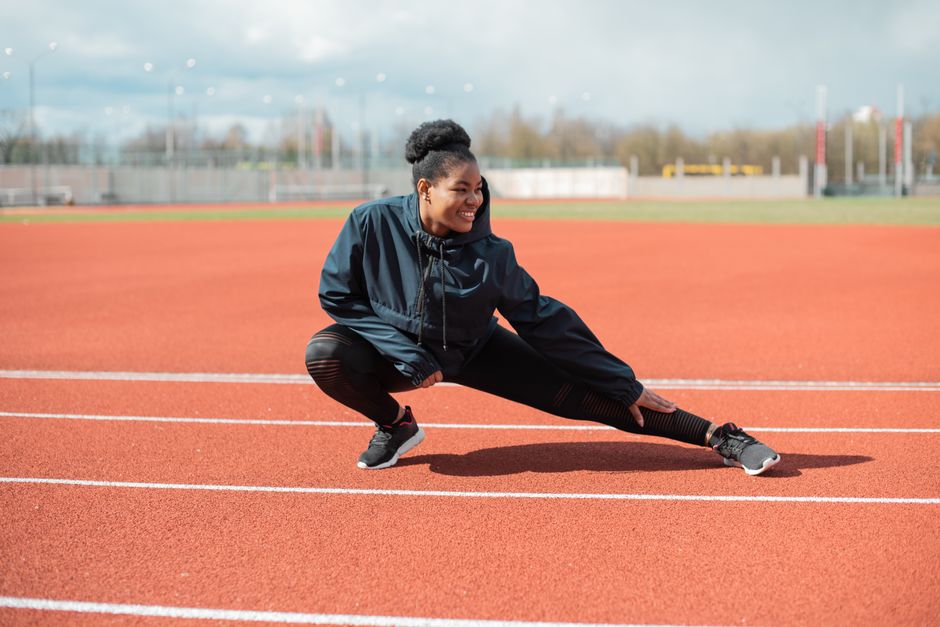
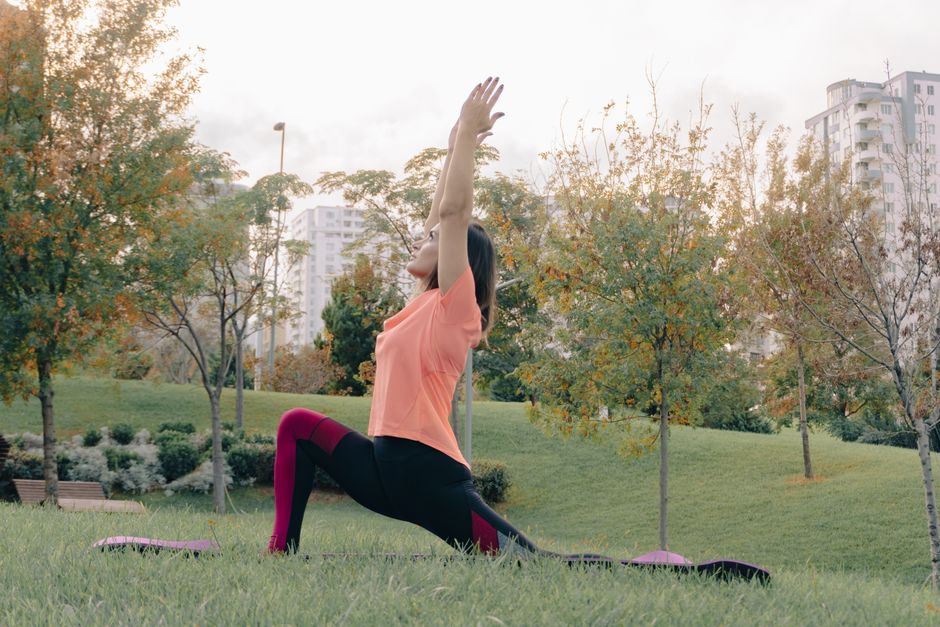
After a long day of bustling activities in Lagos or an intense workout session, your muscles scream for a break. Recovery isn't just an option—it's crucial for maintaining optimal health and energy. Whether you're a fitness enthusiast pounding the streets of Abuja or a hardworking professional navigating Nigeria's dynamic cities, muscle recovery should be part of your daily routine.
Understanding how to effectively rejuvenate your muscles can make a significant difference in your performance and overall well-being. In this article, we'll delve deep into practical muscle recovery strategies, tailored specifically for Nigerians, ensuring you get the most out of your rest and physical activities.
The Importance of Muscle Recovery
Muscle recovery is often overlooked but is as essential as the workout itself. Here’s why giving your muscles time to repair and rebuild is crucial.
Helps Prevent Injury
Proper recovery allows your muscles to repair, reducing the risk of strains and injuries. This is vital for anyone engaging in regular physical activity, from athletes to weekend warriors.
An often-cited study indicates that adequate rest can decrease injury rates by up to 50%.
Enhances Performance
Allowing your muscles to rest results in increased strength and performance. As your muscles repair, they become stronger, enabling you to push more or run faster next time.
"Recovery isn't a resting phase, but an essential part of growth and performance enhancement." - Dr. Adebayo, Sports Scientist, Lagos
Boosts Mental Health
Physical rest impacts mental well-being. Effective recovery can lead to improved mood and reduced stress levels, crucial for navigating Nigeria's bustling lifestyle.
Practical Muscle Recovery Techniques
Hydration
Water plays a significant role in muscle recovery. Staying hydrated aids in nutrient transportation and muscle repair.
- Drink at least 8-10 glasses of water daily.
- Consider coconut water, a popular choice in Nigeria, for an electrolyte boost.
Nutrition
Consuming the right nutrients post-workout can significantly aid muscle recovery.
Focus on a balance of proteins, carbohydrates, and healthy fats. Nigerian meals like Jollof rice with grilled chicken offer a nutritious balance.
Active Recovery
Incorporate low-intensity activities like walking or gentle yoga. This promotes blood circulation without straining muscles.
- Take a stroll around your neighborhood or local parks.
- Join a yoga class—many gyms in Abuja and Lagos offer this.
Tools and Aids for Muscle Recovery
Foam Rollers
Foam rolling is an effective self-massage technique that breaks down muscle knots and improves flexibility.
Available in most Nigerian sports stores, foam rollers are affordable and easy to use at home.
Massage Therapy
Regular massages can significantly enhance muscle recovery. Consider visiting a professional massage therapist for best results.
"Massage therapy is not just a luxury; it's an investment in your health." - Amaka, Certified Massage Therapist, Abuja
Common Mistakes in Muscle Recovery
Avoid these common pitfalls to ensure your recovery process is effective.
Skipping Sleep
Sleep is when your body does the most healing. Skipping sleep can delay muscle recovery and hinder performance.
Aim for 7-9 hours of quality sleep each night.
Overtraining
Pushing too hard without rest can lead to burnout and injury. Balance is key to effective muscle recovery.
- Schedule rest days in your workout plan.
- Listen to your body's signals.
Final Thoughts
Muscle recovery is a critical yet often overlooked component of health and fitness. By integrating these practical strategies into your routine, you can enhance your muscle recovery, ensuring you're ready to tackle whatever life in Nigeria throws your way. Remember, the journey to optimal health is a marathon, not a sprint. Prioritize recovery, and you'll not only boost your physical health but also improve your overall quality of life.