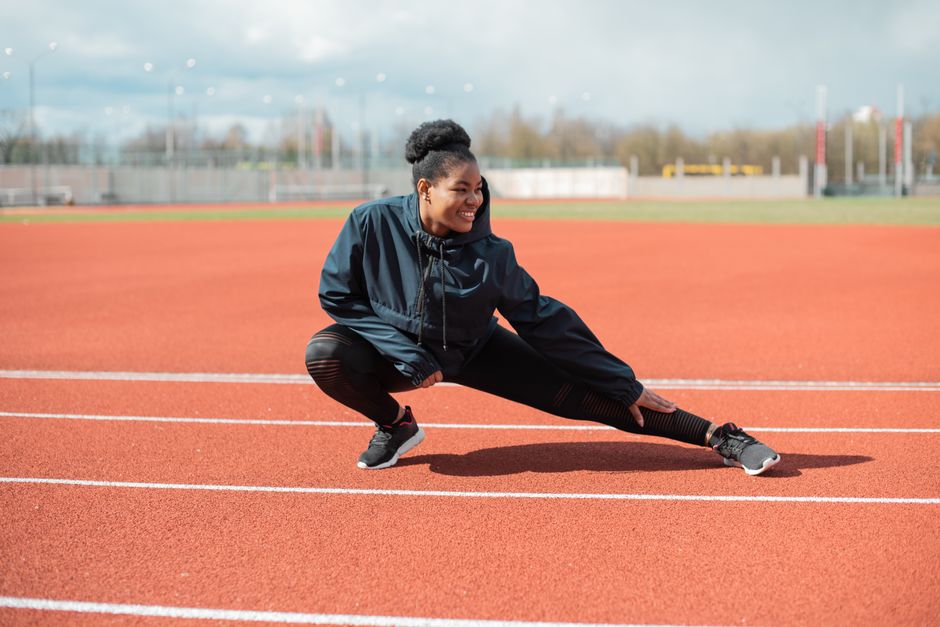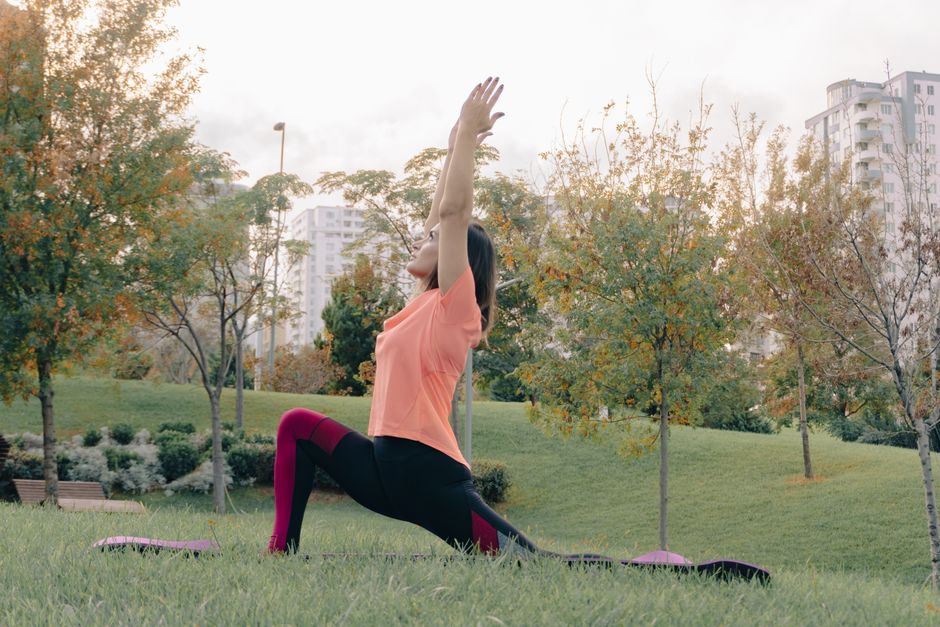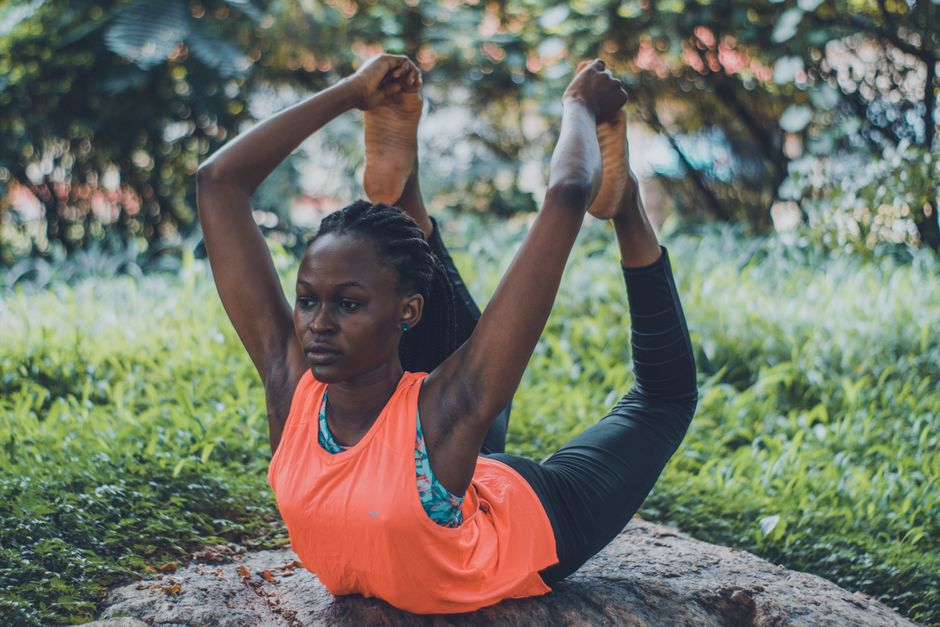
In the bustling streets of Lagos or as you relax by the serene beaches of Calabar, finding time for muscle recovery through yoga stretches might seem challenging. However, incorporating yoga into your routine is not just about flexibility; it's a remarkable tool for muscle recovery and an excellent way to prevent injuries. For Nigerian fitness enthusiasts hoping to enhance their recovery process, these yoga stretches are both practical and beneficial. Let's dive into how you can integrate these stretches into your recovery routine and experience the benefits firsthand.
The Importance of Muscle Recovery
Muscle recovery is a crucial component of any fitness regimen. Whether you're a seasoned athlete or just starting your fitness journey, ensuring your muscles recover well is essential. Why, you ask? Recovery helps in muscle growth, reduces soreness, and prevents injuries, enabling you to maintain consistency in your workouts.
Why Yoga for Recovery?
Yoga, with its origins rooted in ancient tradition, offers a gentle yet powerful way to aid muscle recovery. Its focus on breath and movement can enhance blood circulation, which is vital for muscle healing and flexibility.
"Yoga not only strengthens the body but also calms the mind, which is essential for holistic recovery." - Fitness Expert, Chiamaka Eze
How Does Yoga Help?
- Improves Flexibility: Regular practice of yoga stretches increases muscle flexibility, reducing the risk of injury.
- Enhances Blood Flow: Yoga promotes blood circulation, which accelerates the delivery of nutrients to muscles.
- Reduces Muscle Tension: By easing muscle tension, yoga aids in quicker recovery post-exercise.
Essential Yoga Stretches for Recovery
Now, let's explore some specific yoga stretches that can aid in muscle recovery. These stretches are accessible to everyone, regardless of their yoga experience level.
Downward-Facing Dog (Adho Mukha Svanasana)
This classic yoga pose is excellent for stretching the hamstrings, calves, and shoulders, promoting blood flow to these crucial areas.
Child's Pose (Balasana)
A restful posture that gently stretches the back, hips, and thighs, providing relief from muscle tension.
"Child's Pose is like a mini-vacation for your body, soothing both body and mind."
Cobra Pose (Bhujangasana)
Perfect for stretching the chest, shoulders, and abs, this pose also strengthens the spine, aiding in improving overall posture.
Reclined Spinal Twist (Supta Matsyendrasana)
This twist helps release tension in the spine and improves digestion, which is crucial for nutrient absorption and muscle recovery.
Creating a Routine
Incorporating yoga into your routine doesn't require hours of practice. Start with 10 to 15 minutes of these stretches after your workout or at the end of your day.
Morning Routine
- Start with Deep Breathing - Spend 2-3 minutes focusing on your breath to center your mind.
- Incorporate Sun Salutations - A series of poses that increase warmth and flexibility, preparing your body for the day.
Post-Workout Routine
- Focus on Targeted Stretches - Use downward-facing dog and child's pose to soothe tired muscles.
- End with Savasana - Conclude with a few minutes in savasana (corpse pose) to relax completely.
Final Thoughts
Incorporating yoga into your recovery routine can accelerate healing, improve flexibility, and enhance overall well-being. As you embrace these stretches, remember that consistency is key. Whether you're practicing on a mat in your living room or at a yoga class in Abuja, let these poses guide your recovery journey, allowing you to return to your activities rejuvenated and stronger.