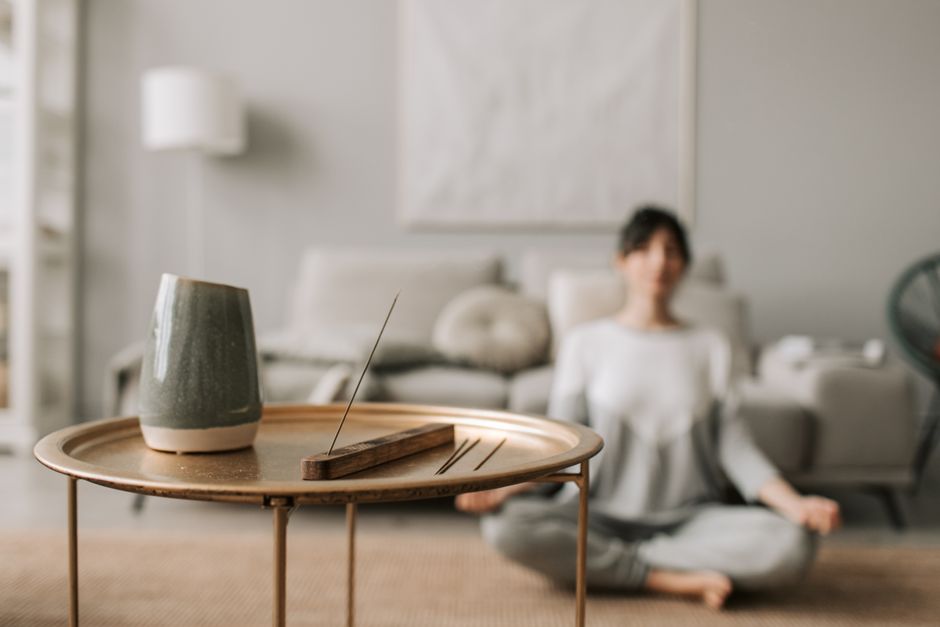
Meditation, widely hailed for its stress-relieving benefits, can sometimes feel like a fruitless endeavor. Have you ever found yourself sitting cross-legged, chasing tranquility, only to be caught in a whirlwind of thoughts? You're not alone. Many Nigerians, juggling the high-paced life in cities like Lagos and Abuja, find traditional meditation techniques insufficient. So, what happens when the usual methods don't work? Let's dive into a troubleshooting guide to help you find clarity in chaos.
Identifying the Roadblocks
Understanding Your Environment
The hustle and bustle of Nigerian urban life can be a significant distraction. Whether it's the honking of cars or the neighbor's loud generator, these noises often render traditional meditation ineffective. Consider practicing meditation at dawn before the city wakes up, or find a quiet space, perhaps a park, that offers some serenity.
Mental Distractions
Sometimes, the noise isn't external but internal. Anxiety about work deadlines or family responsibilities can interrupt your focus. To combat this, try focusing your meditation on resolving one specific issue rather than seeking overall calm. Guided meditations tailored to anxiety can be beneficial here.
Alternatives to Traditional Meditation
Mindfulness in Daily Activities
If sitting still isn't your forte, integrate mindfulness into daily tasks. Whether cooking your favorite jollof rice or commuting, focus on the sensations and actions involved. This practice helps center your mind without needing a dedicated meditation session.
Try Movement-Based Practices
For many, stillness can be daunting. Practices like yoga or Tai Chi incorporate movement, offering meditation in motion. In cities like Lagos, several studios offer classes that blend physical movement with meditative practice, perfect for those who struggle with traditional techniques.
Enhancing Your Meditation Experience
Incorporating Technology
Don't shy away from using technology. Apps like Headspace and Calm offer guided sessions that can make meditation more accessible and engaging. These apps often have settings to tailor sessions to your needs, providing flexibility in your practice.
Using Aromatherapy
Scent can significantly enhance your meditation environment. Consider using essential oils like lavender or eucalyptus to promote relaxation. Some local artisans in Nigeria produce oils that are perfect for this purpose, adding an element of cultural heritage to your practice.
Addressing Personal Expectations
Setting Realistic Goals
Often, the pressure to achieve a clear mind can hinder progress. Understand that meditation is not about eliminating thoughts but about observing them without judgment. Start with short, five-minute sessions and gradually increase as your comfort grows.
Practice Patience and Consistency
Progress in meditation takes time. It's important to remain patient and consistent. Try meditating at the same time each day, which can help create a habit and make the practice feel more natural over time.
"Meditation is not about stopping thoughts but recognizing them." - A mindful practitioner
Conclusion
Meditation may not always work as expected, but with slight adjustments and new approaches, it can become a valuable tool for mental wellness. Embrace the journey, try various techniques, and discover what aligns best with your routine. Remember, the path to clarity is not always linear, but persistence and the right strategies will lead you toward peace. So, when meditation isn't working, don't give up—just recalibrate.