Whether you've just wrapped up a challenging workout or you're simply trying to alleviate the stress of daily life, the word 'recovery' sounds like music to your ears. Recovery isn't just about taking a break; it's a crucial part of your fitness journey, ensuring you bounce back stronger and more resilient. For our Nigerian readers, where life can be as vibrant as a Lagos market, finding effective ways to rejuvenate both body and mind is vital. That's where the magic of stretching and yoga comes in. These practices are not just for flexibility; they're powerful tools for muscle recovery, helping you maintain peak performance all year round.
Picture yourself standing at the bustling Aswani market, as life teems around you. Just like the varied stalls offering everything from fresh produce to colorful ankara fabrics, stretching and yoga offer an array of benefits. Let’s dive into how these practices can significantly impact your recovery, helping you embrace a healthier, more balanced lifestyle.
The Science Behind Muscle Recovery
Understanding why muscle recovery is essential begins with knowing the science behind it. When you exercise, especially during high-intensity workouts, your muscle fibers sustain microscopic tears. This is a natural process, as your muscles grow stronger during the recovery period.
Delayed Onset Muscle Soreness (DOMS)
Have you ever felt soreness creeping in a day or two after hitting the gym? That’s Delayed Onset Muscle Soreness (DOMS), a common experience after engaging in strenuous physical activity.
"DOMS is your body's way of telling you that it's repairing and strengthening," says Dr. Chijioke Obinna, a sports medicine expert.
Importance of Recovery
Recovery is vital not just for reducing soreness but also for preventing injuries. Without proper recovery, you may face prolonged fatigue, decreased performance, and increased injury risks.
- Improved Flexibility: Stretching increases muscle flexibility, which enhances your overall range of motion.
- Reduced Muscle Tension: Regular stretching sessions help in reducing muscle tension, improving relaxation.
- Better Blood Circulation: Both yoga and stretching improve blood circulation, crucial for muscle repair and recovery.
Benefits of Stretching for Recovery
Dynamic vs. Static Stretching
There are two primary types of stretching: dynamic and static. Both have unique benefits and are essential for a balanced recovery routine.
Dynamic Stretching
Dynamic stretches are controlled movements that improve range of motion and are often performed before exercise.
- Increased Heart Rate: Prepares your muscles for exercise by increasing the heart rate and blood flow.
- Enhanced Performance: Primed muscles can perform better with less risk of injury.
Static Stretching
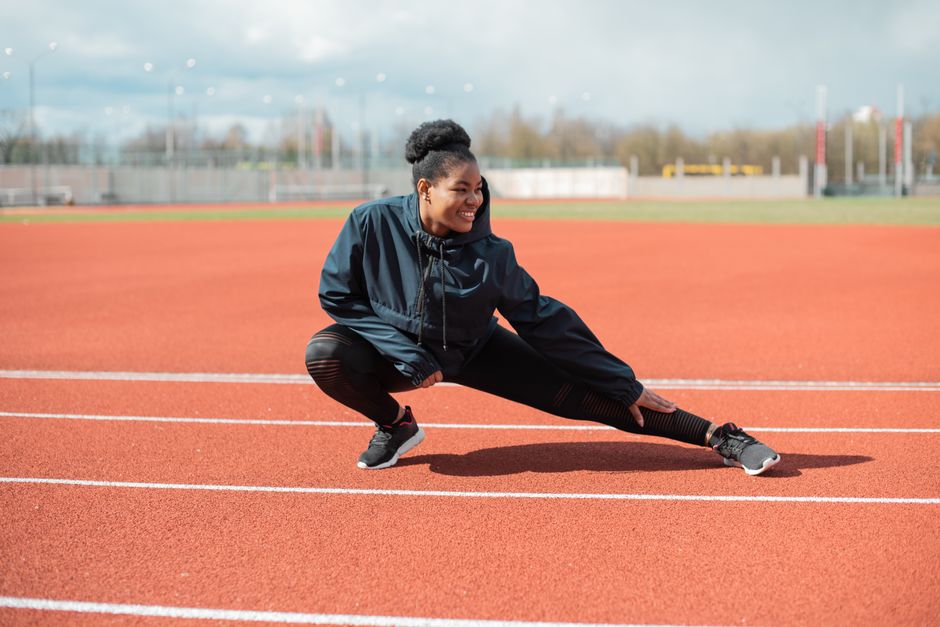
Static stretching involves holding a stretch for a period, typically post-workout, to help muscles relax and lengthen.
- Muscle Relaxation: Helps in reducing muscle stiffness and soreness.
- Stress Reduction: Holding a stretch can be meditative, helping reduce mental stress.
Yoga: A Holistic Recovery Tool
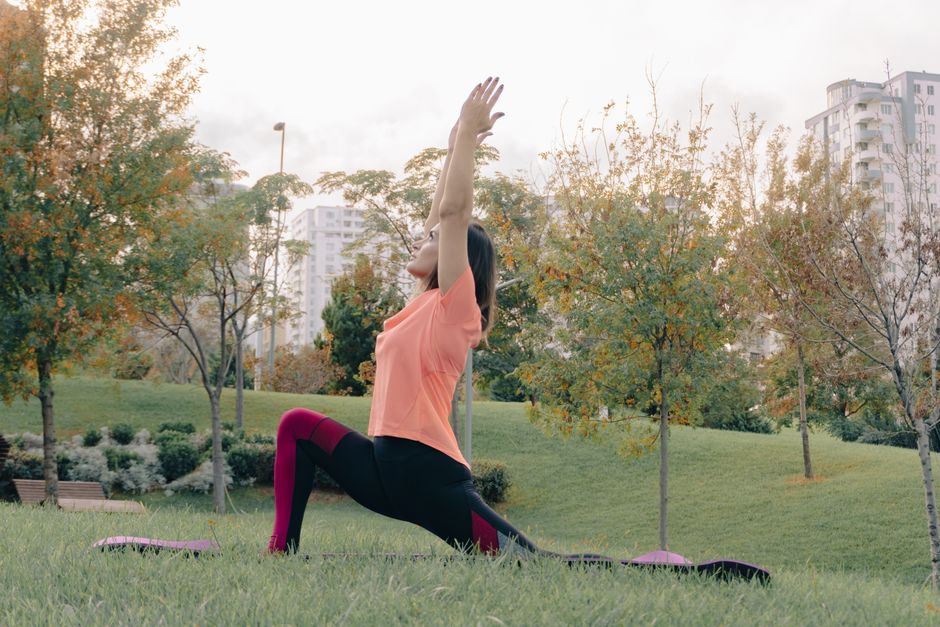
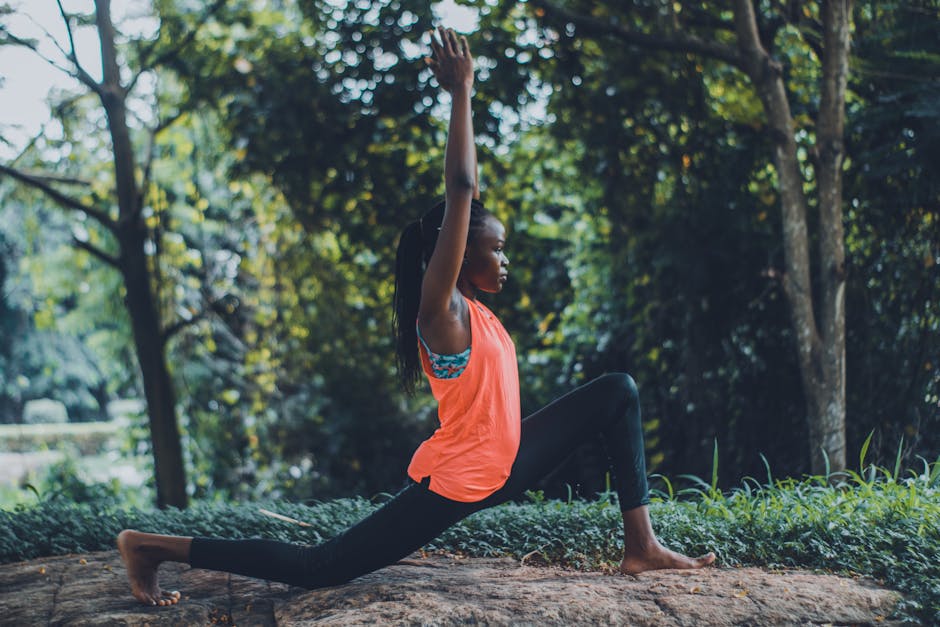
Yoga isn’t just for relaxation; it’s a comprehensive recovery tool that strengthens the connection between mind and body.
Physical Benefits
Yoga promotes flexibility, strength, and balance, all of which are crucial for recovery.
- Flexibility: Regular yoga practice improves flexibility, reducing the risk of injuries.
- Core Strength: Many yoga poses target core muscles, enhancing overall stability.
Mental Benefits
Beyond physical health, yoga significantly impacts mental well-being, aiding in faster recovery.
"Yoga helps calm the mind, reduce stress levels, and improve sleep quality, all of which are essential for effective recovery," highlights Iyabo Adebayo, a certified yoga instructor in Lagos.
How to Incorporate Stretching and Yoga into Your Routine
Start with Short Sessions
If you're new to stretching or yoga, start with short, manageable sessions. Even 10-15 minutes daily can make a difference.
Find the Right Balance
Incorporate both dynamic and static stretches into your routine, and practice yoga at least two to three times a week.
- Morning Stretch: Begin your day with a quick dynamic stretch routine to wake up your body.
- Post-Workout Stretch: End workouts with static stretches to help muscles cool down and relax.
Common Mistakes and How to Avoid Them
Overstretching
One common mistake is overstretching, which can cause more harm than good. Listen to your body and don't push beyond your limits.
Inconsistent Practice
Consistency is key. To see benefits, make stretching and yoga a regular part of your routine.
"Remember, recovery is not a luxury but a necessity," advises Dr. Obinna.
Conclusion
Stretching and yoga are more than just exercises; they are your body's allies in the journey of recovery. They bolster muscle recovery, enhance flexibility, and promote overall well-being. For Nigerians, integrating these practices into your daily routine is like finding a hidden gem amidst the vibrant chaos of life. So, roll out your mat, find a quiet space, and let the journey of healing and strength begin.