Every fitness journey, whether you're just starting or you're a seasoned athlete, requires more than intense workouts and strict diets. A crucial, yet often overlooked aspect is muscle recovery. Proper recovery techniques not only help you achieve peak performance but also safeguard you from injuries. For Nigerian fitness enthusiasts, the unique climate, diet, and lifestyle habits offer both challenges and opportunities for optimizing recovery.
Imagine completing a grueling workout at a gym in Lagos or after a community football match on a sunny day. Your muscles are sore, your energy levels depleted, yet the day is far from over. This scenario highlights the importance of effective muscle recovery strategies that you can seamlessly integrate into your daily life.
In this article, we'll dive deep into practical muscle recovery techniques that resonate with Nigerians, leveraging local resources and cultural practices. From understanding the basics of muscle recovery to exploring the benefits of traditional diets and local herbs, we've got you covered.
Understanding Muscle Recovery
Why is Muscle Recovery Important?
Muscle recovery is essential for repairing tissues that are damaged during exercise, reducing the risk of injury, and improving overall performance. When you push your muscles to their limits, tiny tears occur, which need adequate time and care to heal.
"Recovery is where the magic happens. It's when your muscles grow, adapt, and prepare for the next challenge."
The Science Behind Muscle Recovery
After an intense workout, your body enters a phase called the recovery period. During this time, muscles repair through a process called protein synthesis. This is your body's way of adapting to increased physical demands, making it crucial to support this process with the right recovery techniques.
Effective Muscle Recovery Techniques
Rest and Sleep
One of the simplest yet most effective recovery strategies is getting adequate rest and sleep. Aim for 7-9 hours of quality sleep each night to allow your body to repair and rejuvenate.
- Create a sleep-friendly environment: Use mosquito nets, blackout curtains, and maintain a cool room temperature.
- Follow a bedtime routine: Try to sleep and wake up at the same time every day.
Hydration and Nutrition
Hydration is crucial for muscle recovery, especially in Nigeria's warm climate. Drinking enough water helps flush out toxins and maintain muscle function.
- Stay hydrated: Aim for at least 8 glasses of water per day, more if you're active.
- Eat balanced meals: Incorporate proteins, healthy fats, and carbohydrates. Nigerian dishes like jollof rice with grilled chicken offer a balanced nutrition profile.
Active Recovery
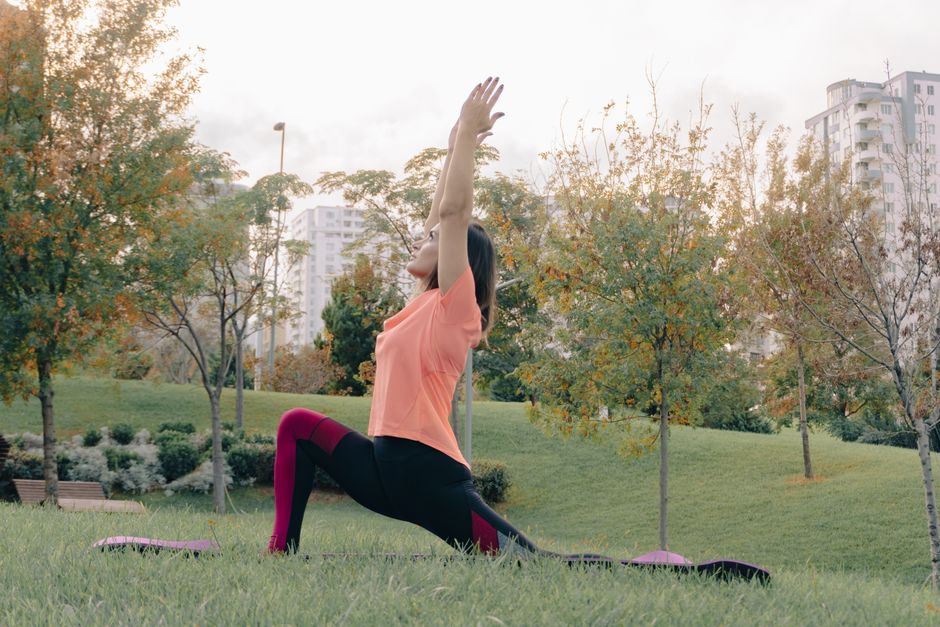
Engage in light activities such as walking, swimming, or yoga on rest days. These activities improve circulation, reducing muscle stiffness and soreness.
- Nigerian dance: Participate in traditional dance classes which offer a fun way to keep active without overexerting your muscles.
- Stretching routines: Follow a guided stretching session to enhance flexibility and muscle health.
Leverage Local Resources for Recovery
Traditional Nigerian Diet
Nigerian cuisine is not only delicious but also packed with nutrients that aid recovery. For instance, dishes rich in yams and plantains provide carbohydrates necessary for energy replenishment.
"Embrace the healing power of local diets. Foods like egusi soup are not just comfort food but also recovery fuel."
Herbal Remedies and Their Benefits
Consider integrating local herbs known for their anti-inflammatory properties, such as ginger and moringa, into your diet. These herbs can be easily added to meals, teas, or consumed as supplements.
Common Mistakes in Muscle Recovery
Overtraining
One of the biggest errors is neglecting rest days, leading to burnout and injuries. It's essential to listen to your body and schedule breaks into your fitness routine.
Ignoring Minor Injuries
Pay attention to your body's signals. Addressing minor aches and pains promptly can prevent them from developing into serious injuries.
- Use R.I.C.E.: Rest, Ice, Compression, and Elevation for initial injury management.
- Consult professionals: When in doubt, seek advice from physiotherapists or medical experts.
Conclusion
Muscle recovery is a vital component of any fitness routine. For Nigerians, incorporating local foods, herbs, and practices into recovery strategies can greatly enhance effectiveness and enjoyment. By prioritizing recovery, you not only boost performance but also nurture a sustainable fitness lifestyle.
Remember, fitness is a journey, not a destination. Listen to your body, give it the rest and care it deserves, and enjoy the holistic benefits of a well-rounded fitness lifestyle.