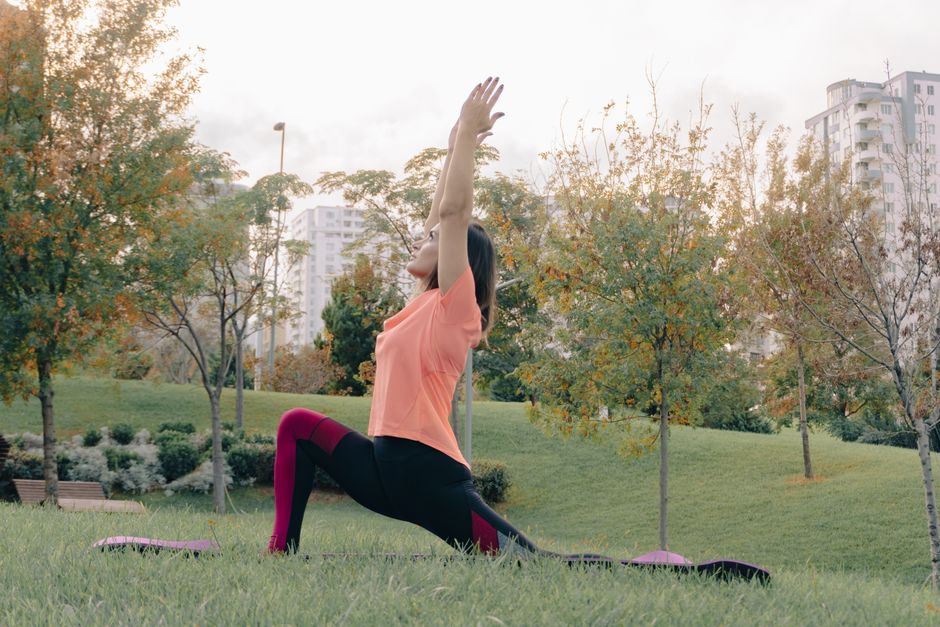
Muscle recovery is a critical aspect of any fitness journey, often overlooked but equally important as the workout itself. For Nigerians keen on achieving their fitness goals, understanding the nuances of muscle recovery can significantly enhance performance and prevent injuries. Whether you're a gym enthusiast in Lagos or a weekend jogger in Abuja, mastering muscle recovery can help you stay active and healthy.
It's not just about resting your muscles; it's about actively engaging in practices that accelerate healing and prepare you for your next workout. Dive into this article to discover how you can optimize your muscle recovery with practical and effective strategies tailored for the Nigerian lifestyle.
The Importance of Muscle Recovery
Muscle recovery is essential for anyone engaged in physical activities, from athletes to occasional exercisers. It involves various processes that repair muscle fibers, replenish energy stores, and reduce muscle soreness.
Why Recovery Matters
During exercise, muscle fibers undergo stress and microscopic damage. Recovery allows the body to repair these fibers, making them stronger and more resilient. This process is crucial to improving performance and preventing injuries.
Without proper recovery, you may experience prolonged soreness, reduced performance, and increased risk of injuries. In a bustling environment like Nigeria, where daily life can be physically demanding, prioritizing muscle recovery is vital for maintaining an active lifestyle.
Key Techniques for Muscle Recovery
Nutrition and Hydration
A balanced diet rich in proteins, carbohydrates, and healthy fats is fundamental for muscle recovery. Proteins help repair muscle tissues, while carbohydrates replenish glycogen stores. Remember to stay hydrated, especially in Nigeria's often hot climate, to aid muscle function and recovery.
- Proteins: Incorporate sources like chicken, fish, and legumes.
- Carbohydrates: Opt for complex carbs found in yam, plantain, and brown rice.
- Hydration: Drink plenty of water and include hydrating fruits like watermelon.
"Proper nutrition fuels your recovery, turning every meal into a step towards your fitness goals."
Rest and Sleep
Quality sleep is non-negotiable when it comes to muscle recovery. Aim for at least 7-9 hours of uninterrupted sleep to allow your body ample time to recover and rebuild muscle tissues.
Incorporate short naps if possible, especially if your days start early with a workout. These can help rejuvenate your body and mind.
Active Recovery
Active recovery involves engaging in low-intensity exercises post-workout. Activities like walking, stretching, or swimming can help increase blood flow to muscles, reducing soreness and speeding up recovery.
Participating in a weekly yoga class can also be an excellent way for Nigerians to enhance flexibility and promote muscle recovery.
Tools and Techniques for Enhanced Recovery
Foam Rolling and Massage
Foam rolling is a popular self-massage technique that helps relieve muscle tightness and improve blood circulation. It's an affordable recovery method that can be done at home.
Professional massages, when possible, can further enhance muscle recovery by targeting specific tension areas, helping to alleviate stress and improve muscle function.
Use of Recovery Apps
With the rise of technology, several apps can guide you through recovery routines, track your progress, and offer personalized advice. Consider apps that focus on stretching exercises and relaxation techniques.
Common Myths About Muscle Recovery
Myth: No Pain, No Gain
Many believe that muscle soreness equates to an effective workout. However, excessive pain can be a sign of overtraining or injury. Listen to your body and give it time to recover.
"Pain is not a badge of honor. True progress comes when you balance effort with adequate recovery."
Myth: Rest Means Doing Nothing
Rest doesn't mean being inactive. Engage in gentle movements to aid recovery rather than sitting idle all day. This approach helps keep your muscles active and ready for the next workout.
Final Thoughts
Muscle recovery is not just an option but a necessity for anyone serious about their fitness journey. By incorporating these strategies into your routine, you can ensure your muscles get the rest and repair they need to perform at their best. Remember, recovery is a personal journey, and what works for one person might not work for another. Listen to your body, adjust your practices as needed, and enjoy the benefits of a well-rounded approach to fitness and health.